Introduction
In the family sphere, the teaching of respect is fundamental to fostering healthy and harmonious relationships. Strategies to inculcate this value at home not only contribute to the well-being of each family member, but also provide the basis for a more compassionate and empathic society. In this article, we will explore various effective strategies to teach respect in the family as well as its importance and benefits. We will also address common questions and provide practical advice to implement these strategies in everyday life. Find out how to cultivate an environment based on mutual respect and understanding in your home!
History and Background
The concept of respect has evolved throughout history, rooting in different cultures and traditions. From ancient civilizations to contemporary society, respect has been recognized as a fundamental pillar for peaceful coexistence. We will explore how respect has been manifested in various cultures over time, analyzing their role in the formation of social norms and their influence on the family structure.
Deep analysis
Within the family dynamic, the teaching of respect can face challenges inherent in daily living. We will thoroughly analyse these challenges and strategies to overcome them, as well as highlight the long-term benefits of fostering mutual respect at home.
Comprehensive review
We will examine different practical applications of strategies to teach respect in the family, from conflict resolution to the promotion of empathy. We will share the views of experts and reflect on best practices, offering a comprehensive and balanced vision.
Comparative analysis
We will compare various strategies to teach respect in the family sphere, highlighting their similarities, differences and how they can complement each other. This analysis will provide a detailed overview of the most effective methodologies to inculcate respect in family dynamics.
Practical Tips and Accessible Advice
We will present practical advice supported by real studies and experiences, offering a detailed approach to how to apply these strategies in specific family situations. This section will provide concrete tools to implement respect as a fundamental value in daily living.
Industry Perspectives and Expert Reviews
We will evaluate the perspectives of renowned experts in the family and psychological field, providing a detailed view of how contemporary approaches match the current needs of families.
Case Studies and Real Life Applications
We will provide concrete examples of family situations in which strategies have been implemented to teach respect, analyze the results obtained and extract important lessons for the reader.
Future Trends and Predictions
We will explore emerging trends related to the teaching of respect in the home, providing predictions based on current data and expert opinions in the field. We will also discuss the opportunities and challenges that might arise in the near future.
Conclusion
In short, the teaching of respect in the family sphere is crucial to fostering harmonious and constructive coexistence. Recognizing the importance of mutual respect and effective strategies, families can strengthen their ties and promote an environment of understanding and empathy. These strategies not only impact the family sphere, but also contribute to the formation of respectful and conscious individuals in society.
Frequently asked questions
1. How can I teach my children respect at home?
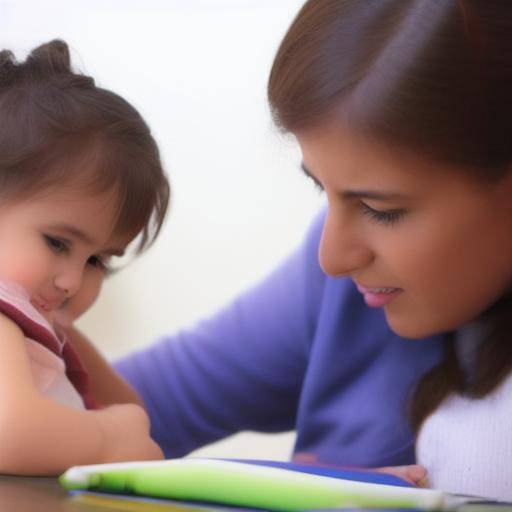
Teaching respect for children begins by being a good model to follow. It is important to communicate clearly and affectionately the limits and expectations of behaviour, promote empathy and resolve conflicts peacefully.
2. What are the consequences of not teaching respect in the family?
Lack of teaching respect can generate constant conflicts, lack of effective communication, lack of empathy and understanding, as well as difficulties in building healthy relationships.
3. How does respect at home affect the emotional development of children?
Respect in the home provides a safe and affectionate environment that positively influences the emotional development of children, promoting self-esteem, self-confidence and skills to establish healthy relationships.
4. Is it possible to teach respect in the family sphere if parents do not respect each other?
Although it may be challenging, it is possible to address this situation through open communication, family therapy and joint efforts by parents to establish an environment of respect and collaboration.
5. How old should you start teaching respect at home?
The teaching of respect begins from early childhood, as children begin to form their values and patterns of behavior from a very early age. However, it is a continuous teaching that is reinforced over time.
6. How can parents handle cultural differences by teaching respect in the family sphere?
Openness to dialogue, respect for differences and the search for a balance that integrates and respects the different cultures present at home is fundamental.
With this comprehensive guide on strategies to teach respect in the family environment, we hope to have provided a valuable resource to foster healthy relationships based on mutual respect and understanding within family dynamics.