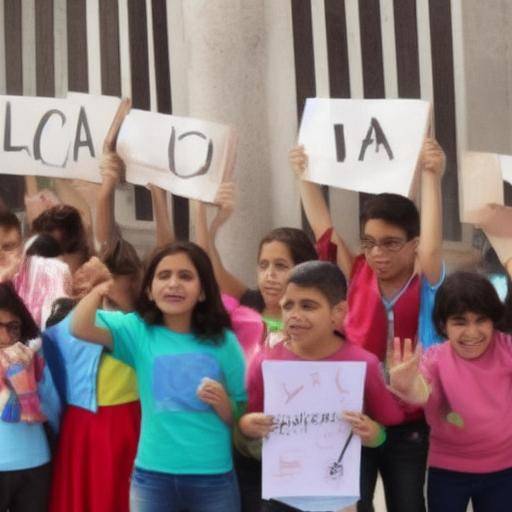
The educational world constantly faces the challenge of fostering cultural inclusion in the classroom, ensuring that students of various origins feel represented and valued. Cultural inclusion is crucial to promoting diversity, respect and mutual understanding among students, preparing them for a globalized society. In this article, we will explore concrete strategies to promote cultural inclusion in the classroom and its importance.
Why is it important to promote cultural inclusion?
Cultural diversity in the classroom enriches the educational experience and prepares students to live in an increasingly multicultural society. In addressing cultural inclusion, respect, empathy and mutual understanding are encouraged. In addition, a learning environment is promoted in which all students feel valued, which can improve their academic performance and emotional well-being.
Strategies to Promote Cultural Inclusion
Use of Diverse Educational Material
Integrating educational materials that reflect different cultures and social realities is essential to promoting cultural inclusion. Books, movies, music and other forms of art from diverse cultures can provide students with a deeper understanding of the diversity of the world around them.
Celebration of Cultural Events
Organizing cultural events in the classroom, such as festivals, presentations and conferences, allows students to share and celebrate their own cultures. This promotes an enriching exchange of experiences, while promoting respect and understanding among them.
Promoting Dialogue and Debate
Providing a space for students to express their views and share their cultural experiences fosters an environment in which each voice is valued. Open dialogue and respectful debate promote understanding among students, helping them to see the world from diverse perspectives.
Incorporation of Cultural Perspectives in the Study Plan
Ensure that the curriculum incorporates diverse cultural perspectives in all areas is crucial for cultural inclusion. From history to the sciences, presenting a variety of perspectives in the educational material expands students' understanding of the world around them.
Training in Cultural Sensitivity for Teachers
Teachers play a key role in promoting cultural inclusion. Receiving cultural sensitivity training allows them to better understand the experiences and perspectives of their students, which helps them create a more inclusive and welcoming educational environment.
Creation of Partnerships with the Community
Building partnerships with the community to involve cultural leaders and classroom experts gives students the opportunity to learn from authentic sources. This strengthens the link between the school and the community, enriching the educational experience with local knowledge and perspectives.
The Importance of implementing these Strategies
The implementation of these strategies offers many benefits. It not only promotes a sense of belonging and inclusion in students, but also provides them with tools to navigate a diverse and complex world. In addition, it prepares students for future participation in society in a respectful and empathic manner.
Conclusion
Promoting cultural inclusion in the classroom not only enriches the educational experience, but also prepares students for a diverse and globalized world. The implementation of concrete strategies, such as the use of diverse educational materials, the holding of cultural events, the promotion of dialogue and debate, the incorporation of cultural perspectives in the curriculum, the training in cultural sensitivity for teachers, and the creation of alliances with the community, can make a significant difference in the lives of students and enrich their academic and personal development.
FAQs
1. Why is it important to promote cultural inclusion in the classroom?
Promoting cultural inclusion in the classroom is crucial to providing students with a learning environment in which they feel valued and represented, fostering empathy, respect and mutual understanding among them.
2. How can teachers promote cultural inclusion in the classroom?
Teachers can promote cultural inclusion by incorporating diverse educational materials, organizing cultural events, fostering dialogue and debate, integrating cultural perspectives into the curriculum, receiving cultural sensitivity training and building partnerships with the community.
3. What are the benefits of promoting cultural inclusion in the classroom?
Promoting cultural inclusion in the classroom not only fosters a sense of belonging and inclusion in students, but also provides them with tools to navigate a diverse and complex world. In addition, it prepares students for future participation in society in a respectful and empathic manner.
4. How can cultural events benefit cultural inclusion in the classroom?
Cultural events give students the opportunity to share and celebrate their own cultures, promoting an enriching exchange of experiences and fostering mutual respect and understanding among them.
5. What role does dialogue and debate play in promoting cultural inclusion?
Dialogue and debate foster an environment in which each voice is valued and promotes understanding among students, helping them to see the world from diverse perspectives, which is essential to promoting cultural inclusion in the classroom.
6. What is the long-term impact of promoting cultural inclusion in the classroom?
The long-term impact of promoting cultural inclusion in the classroom is the preparation of students to participate in a diverse, globalized and multicultural society, in a respectful, empatic and comprehensive manner, which contributes to the construction of a more inclusive and equitable society.
In short, strategies to promote cultural inclusion in the classroom are critical to creating an educational environment in which all students feel valued and represented, preparing them for a diverse and multicultural society. By implementing these strategies, schools can foster an inclusive environment that benefits the entire educational community.