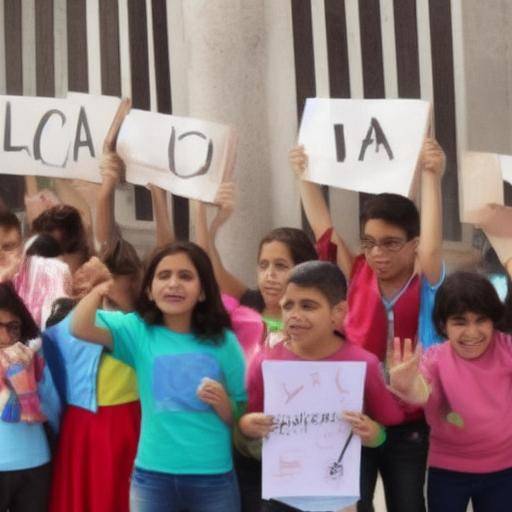
Cultural diversity plays a key role in the school environment, as its promotion not only enriches educational experience, but also fosters tolerance, mutual understanding and the celebration of differences. In this article, we will explore effective strategies to promote cultural diversity in the school environment, providing historical information, in-depth analysis, practical advice and expert opinions. In addition, we will address frequent questions related to this issue.
Importance of Promoting Cultural Diversity in the School Environment
Cultural diversity is a fundamental pillar of current society, and its reflection in the school environment plays a crucial role in the formation of inclusive and respectful generations. The promotion of cultural diversity not only responds to an educational aspect, but also has long-term social, economic and political implications. Promoting a diverse educational environment prepares students to interact in a global society, developing intercultural skills and promoting social cohesion.
Historical Contextualization and Background
History of Cultural Diversity
Cultural diversity has permeated the history of humanity, from ancient civilizations to the contemporary era. Throughout the centuries, diverse cultures have interacted, exchanged knowledge, customs and life forms. From the Silk Road to modern globalization, cultural diversity has been a pillar of human evolution.
Key figures in the Promotion of Cultural Diversity
Historical figures such as Mahatma Gandhi, Nelson Mandela and Martin Luther King Jr. played key roles in the struggle for equality and respect for diversity. Their legacy continues to inspire educational and social efforts to promote inclusion and equity.
Daughters and Evolution
The important milestones, such as the 1948 Universal Declaration of Human Rights, marked a turning point in the recognition and protection of cultural diversity. These documents and movements have laid the foundations for educational policies and practices that value diversity.
Analysis in Deep
Benefits of Cultural Diversity in the School Environment
- Expansion of Outlook: Exposure to diverse cultures enriches the vision of the world of students, promoting more complete and nuanced learning.
- Mutual respect: Promoting cultural diversity helps to develop respect for differences, creating a more inclusive and harmonious school environment.
- Global development: Cultural diversity prepares students to participate in an increasingly globalized world, developing essential intercultural skills.
Challenges of Cultural Diversity
- Conflict management: Cultural differences can lead to misunderstandings and conflicts that must be managed with sensitivity and competence.
- Overcoming prejudices: Combating existing prejudices and stereotypes is a continuing challenge that requires education and awareness.
- Education equity: Ensure that all students, regardless of their cultural origin, have access to the same educational opportunities.
Strategies for Promoting Cultural Diversity in Schools
1. Integration of the Curriculum
Incorporating cultural diversity in all areas of the curriculum is essential. This includes:
- Literature: Select books that reflect diverse cultures and perspectives.
- History: Show historical events from multiple cultural points of view.
- Social Sciences: Explore how different cultures address issues such as family, education and the economy.
2. Use of Multimediate Resources
Use movies, documentaries, music and art from different cultures to enrich learning. Resources such as National Geographic Kids and YouTube Kids offer culturally diverse and accessible content.
3. Interactive Projects and Activities
- Oral History Projects: Encourage students to interview members of their community about their cultural backgrounds and experiences.
- International days: Organize thematic days where students can learn and celebrate different cultures through traditional meals, music and dances.
- Cultural maps: Create class maps that show the world's cultural diversity, highlighting the contributions of various cultures to global society.
4. Invitation to Orators and Experts
Invite community leaders, artists and cultural experts to talk to students and share their knowledge and experiences. This can include demonstrations of traditional arts and crafts, storytelling and interactive workshops.
5. Empathy Development Through the Game
Using role games and simulation activities to help children understand and experience different cultural perspectives. Educational games like “Cultural Awareness” can be useful tools in this process.
Practical Applications to Promote Cultural Diversity at Schools
Primary Education
At the primary level, it is essential to use interactive and visual methods to capture the care of children. Activities such as the creation of multicultural murals, the use of children's tales from various cultures and the organization of cultural festivals can be very effective.
Secondary Education
For high school students, it is important to encourage critical thinking and discussion. Research projects on the history and contributions of different cultures, debates on issues of diversity and the integration of cultural studies in the main subjects can help deepen their understanding.
Extracurricular environments
In extracurricular clubs and activities, international cooking workshops, multicultural cinema clubs and cultural exchange programmes can be organized. These activities provide a practical platform for students to experience and celebrate cultural diversity.
Opinions of Experts
Perspective of Historians
Historians like Yuval Noah Harari have emphasized the importance of a global perspective in the teaching of history. Harari argues that "understanding history from multiple cultural angles not only enriches our knowledge, but also prepares us better to face current global challenges."
Opinions of Educators
Educators like Gloria Ladson-Billings, a specialist in culturally relevant pedagogy, have stressed that "including cultural diversity in teaching is not only a question of justice, but also of educational effectiveness". Ladson-Billings emphasizes that students learn better when they can see their own culture reflected in the curriculum.
Case studies
Successful implementation
In the Los Angeles School District, the implementation of a history curriculum that includes contributions from various cultures has resulted in increased interest and participation of students in history classes. This approach has led to better academic performance and greater cohesion among students from different backgrounds.
Challenges and Solutions
In a high school in New York, they faced the initial resistance of some parents and teachers by trying to include more cultural perspectives in the history curriculum. Through informative and collaborative sessions, they managed to demonstrate the benefits of this approach, thus gaining the support of the school community.
Future Trends and Predictions
Evolution of Cultural School Events
With the advancement of technology and growing globalization, school cultural events are likely to become more interactive and accessible. Virtual platforms and social networks can play a key role in promoting and celebrating cultural diversity.
Impact of Artificial Intelligence
Artificial intelligence could help customize cultural event planning, suggesting activities based on students' cultural interests and background. In addition, AI tools can facilitate translation and intercultural communication in real time.
Conclusion
Promoting cultural diversity in the school environment is essential to creating a more inclusive and respectful society. Using adequate resources and adopting effective strategies, schools can celebrate cultural diversity and enrich the educational experience of all students. Careful planning, community participation and the use of technology are key to the success of these initiatives. In doing so, respect and intercultural understanding are not only encouraged, but students are also prepared to be global citizens in an increasingly diverse world.
Frequently asked questions
How can I begin to include cultural diversity in my school's events?
It begins by forming a cultural diversity committee, involving students, teachers and parents. Research and plan events that reflect the diverse cultures present in your school community.
What resources can I use to promote cultural diversity?
It uses books, movies, and digital resources that reflect cultural diversity. It works with the local community and uses online platforms to access varied educational materials.
How can we assess the success of school cultural events?
Collect comments from students, parents and teachers. It assesses participation and impact on social cohesion and intercultural understanding among students.
What is the role of technology in cultural inclusion in schools?
Technology can facilitate the planning and implementation of cultural events, as well as promote participation through virtual platforms and social networks. It can also help overcome linguistic and cultural barriers.
This article provides a comprehensive overview of the importance of cultural diversity in schools, highlighting strategies and practical resources to integrate diverse perspectives into education.