Introduction
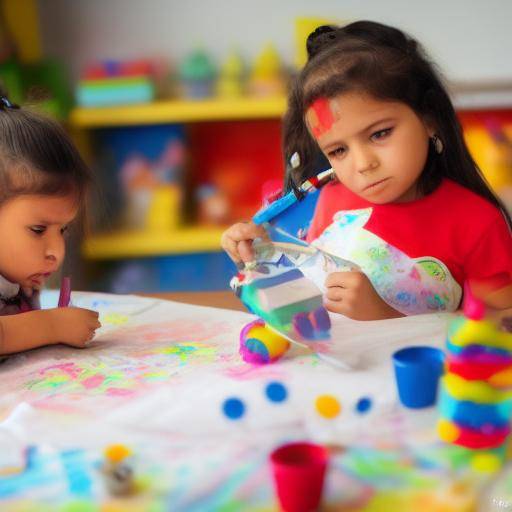
Creativity is a vital element in student formation, as it allows them to develop problem solving skills, critical thinking and originality. Fostering creativity in student teams not only promotes individual development, but also promotes innovation and collaborative work. In this article, we will explore effective strategies to promote creativity in student teams, providing practical advice, case studies and deep analysis on how to generate an enabling environment for creative flourishing.
History and Background
Education has evolved considerably in its approach to creativity. Previously, memorization and repetition were prioritized, limiting the space for divergent thought. However, throughout history, significant changes have been observed in how creativity is addressed in the educational environment. From the first educational philosophies of antiquity to modern pedagogical theories, the value of creativity in learning has been increasingly recognized.
Detailed Analysis of Creativity in Student Teams
To foster creativity in student teams, it is crucial to understand the different dynamics that influence this process. From the generation of ideas to the implementation of creative solutions, the detailed analysis of creativity in student teams shed light on the challenges and benefits of this approach.
Effective Strategies for Promoting Creativity in Student Teams
Provide Collaboration Spaces
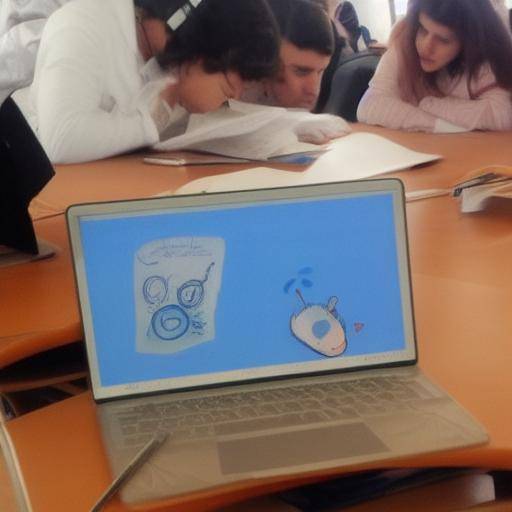
Creating environments that encourage interaction among students is essential to stimulate team creativity. Open spaces that encourage the exchange of ideas and experimentation promote a climate conducive to creative development.
Set Clear but Flexible Goals
Defining specific goals for student teams provides guidance, but it is equally important to allow flexibility so that they can explore different perspectives and creative approaches.
Promoting Diversity of Thought
Including students with different backgrounds and skills in teams promotes diversity of thinking, which can lead to more innovative and original solutions. cognitive and cultural diversity enriches the creative process.
Incorporate Design Thinking Practices
The Design Thinking methodology provides a framework to address complex challenges creatively, encouraging empathy, collaboration and experimentation. Applying this approach can enhance creativity in student teams.
Conclusion
In the current era, where the ability to innovate and think creatively is considered essential, fostering creativity in student teams is fundamental. The above-mentioned strategies provide a solid starting point for cultivating an environment conducive to creativity in educational settings. In implementing these strategies, students are prepared to face future challenges, fostering creative troubleshooting and innovative collaboration.
Frequently asked questions
1. Why is it important to foster creativity in student teams?
Fostering creativity in student teams not only promotes individual development, but also promotes innovation, critical thinking and collaborative work. These skills are essential in the current world, where the ability to innovate and find creative solutions is highly valued.
2. How can educators foster diversity of thought in student teams?
Educators can foster diversity of thinking in student teams by fostering the inclusion of students with different skills, background and perspectives. By creating environments that value diversity, a basis for the exchange of innovative ideas is established.
3. What role does Design Thinking play in promoting creativity in student teams?
Design Thinking provides a structured framework to address complex challenges creatively, encouraging empathy, collaboration and experimentation. By applying this methodology, student teams can develop innovative solutions to challenging problems, thus fostering creativity and original thinking.
4. What long-term benefits can be expected by fostering creativity in student teams?
By fostering creativity in student teams, skills are cultivated that have long-term applications in the professional and personal life of students. These skills include creative troubleshooting, the ability to find innovative solutions and the development of an original thought.
5. How can educators evaluate the level of creativity in student teams?
To evaluate the level of creativity in student teams, educators can use evaluation methods that value originality, fluidity of ideas, flexibility and development. These metrics provide information on the creative capacity of the teams.
6. What additional resources can support the promotion of creativity in student teams?
There are many resources that can support the promotion of creativity in student teams, including creativity workshops, design materials, side thinking exercises and mentoring programs that advocate innovative thinking and creative problem solving.
Conclusion
Fostering creativity in student teams is essential to prepare future generations with the skills necessary to face challenges in an increasingly complex and innovative world. By implementing effective strategies and promoting an enabling environment for creative development, educators can contribute significantly to the personal and professional growth of their students. Creativity is not only a skill, but a mentality that drives innovation and excellence in all spheres of life.