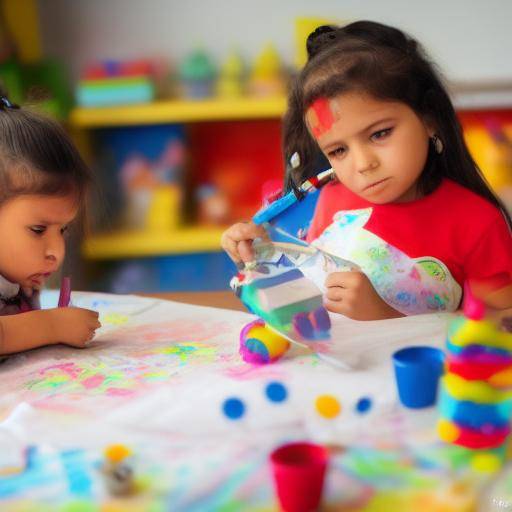
Creativity is a fundamental skill in the education and integral development of students. Promoting creativity in teaching is a challenge that requires effective strategies and innovative approaches. In this article, we will explore the importance of creativity in the educational field, as well as various strategies that teachers can use to stimulate and nurture the creativity of their students. From the historical context to future trends, we will examine in depth the connections between creativity, teaching and strategies to provide a holistic and practical vision that inspires educators and students alike.
Introduction
In a constantly evolving world, the ability to think creatively has become an essential skill. Creativity not only drives innovation and progress, but also promotes problem solving, critical thinking and self-expression. In the educational environment, fostering creativity not only enriches the learning process, but also prepares students to face the challenges of the 21st century. In this article, we will explore effective strategies to promote creativity in teaching, addressing its importance, historical evolution, in-depth analysis, practical applications and future forecasts.
History and Background
Creativity has been a central theme in the history of education. From the theories of humanist education to contemporary pedagogical approaches, various currents have recognized and valued the importance of stimulating creativity in the educational process. During the 20th century, emblematic figures such as Maria Montessori and Lev Vygotsky significantly influenced the incorporation of creativity in teaching. The movement of artistic education in the nineteenth century, as well as the incorporation of innovative methods in education, have contributed to the recognition and promotion of creativity in the educational field.
Main developments
The 21st century has marked a significant change in the way creativity in teaching is addressed. Global interconnection, technological advancement and cultural diversity have emphasized the need for education that fosters originality, critical thinking and creative problem solving. Advances in cognitive neuroscience have also provided new perspectives on the nature of creativity and its relationship with the learning process. In the current context, creativity is considered a key pillar in the integral formation of students, with significant implications in various areas of knowledge and innovation.
Analysis in Deep
The promotion of creativity in teaching entails a number of benefits and challenges. From the improvement of academic performance to the development of socio-emotional skills, the creativity in the classroom can have a positive impact on the educational process. However, the challenges arise in the effective implementation of strategies to foster creativity, especially in educational environments that may be influenced by traditional structures and rigorous academic standards.
Benefits and Challenges
The stimulation of creativity in teaching can enhance the imagination, curiosity and intrinsic motivation of students. Educational environments that promote creativity foster diversity of ideas, critical thinking and problem solving in an innovative way. However, the evaluation of creativity and the curricular integration of creative strategies can pose challenges for educators and the education system as a whole. The need to balance creative development with the stated learning goals represents a crucial challenge in the successful implementation of creative strategies in education.
Current Outlook and Trends
Current trends in education highlight the importance of integrating creativity into curriculum development and the design of meaningful learning experiences. Project-based pedagogical approaches, interdisciplinary learning and emerging educational technology have broadened the scope of strategies to foster creativity in education. The integration of arts, science and technology provides a fertile ground for creative expression and innovative thinking, preparing students to face the complex challenges of the future.
Comprehensive review
Effective implementation of strategies to foster creativity in teaching requires a holistic understanding of its implementation and results. From the exploration of study cases to the best practices evidenced by educational experts, a comprehensive analysis provides a complete overview of how creativity can enrich the educational experience.
Applications and Best Practices
Strategies to promote creativity in education cover a wide spectrum of teaching approaches and learning activities. From the integration of problem-solving methods to the promotion of stimulating learning environments, educators can use a variety of strategies to promote creativity in the classroom. Creating opportunities for experimentation, collaboration and self-expression is a fundamental approach to cultivating creativity in the educational context.
Opinions of Experts and Future Perspectives
The perspective of education experts provides a valuable insight into the role of creativity in teaching. From specialized researchers to education professionals, expert opinions provide theoretical and practical foundations for understanding and implementing effective strategies. As education adapts to the demands of a constantly changing world, future perspectives highlight the need for education that nourishes creativity, adaptability and innovation at all levels of education.
Comparative analysis
The interaction between creativity, teaching and educational strategies is reflected in a comparative analysis that highlights the fundamental connections and opportunities for synergy between these essential elements in the integral formation of students.
Similarities, Differences and Synergies
Creativity and teaching are interdependent components that complement each other in the educational process. While creativity promotes innovation and individual expression, teaching provides the framework to channel and develop the creativity of students. Effective educational strategies incorporate creativity as a means of enhancing meaningful learning and comprehensive development. In understanding the similarities, differences and synergies between creativity and teaching, educators can design pedagogical approaches that foster creativity effectively and sustainably.
Practical Tips and Accessible Recommendations
The implementation of strategies to promote creativity in teaching requires practical guidance and actionable recommendations that inspire educators to effectively incorporate creativity into their pedagogical practices.
- Provide freedom for exploration and experimentation in the classroom, encouraging curiosity and originality.
- Integrate educational projects that promote creative problem solving and collaboration among students.
- Incorporate art, music and educational technology as tools to express creativity and imagination.
Industry Perspectives and Expert Reviews
The opinions of experts in the field of education offer a profound insight into the role and evolution of creativity in teaching. From pioneering research to innovative classroom practices, industry perspectives provide a contextual framework for understanding and implementing effective strategies.
Future Trends and Predictions
The future of education is intrinsically linked to the ability to promote creativity as an element in the educational process. Future trends indicate greater integration of creativity into educational curricula, as well as the development of pedagogical approaches focused on authenticity, innovation and adaptability. As education embraces the diversity of knowledge and skills, creativity is positioned as a catalyst for educational transformation and the empowerment of students as agents of change.
Conclusions
Creativity in teaching is not simply an abstract concept; it is a key element that drives the learning potential of students and forges a path to a future full of innovation and excellence. From its historical importance to its current relevance, creativity in teaching poses challenges and opportunities that influence the way educators design meaningful learning experiences. By integrating effective strategies to foster creativity in teaching, educators can nurture the creative potential of their students and prepare them to face the challenges of a changing world.
Frequently asked questions
Why is it important to foster creativity in teaching?
Creativity in teaching is crucial because it promotes critical thinking, problem solving, self-expression and innovation, fundamental skills for success in the twenty-first century.
What challenges do educators face in fostering creativity in teaching?
Educators can face challenges such as curriculum integration, creativity assessment and adaptation to traditional academic standards by implementing creative strategies in the classroom.
How can educators foster creativity in the classroom?
Educators can foster creativity in the classroom by integrating educational projects, promoting experimentation and collaboration, and incorporating art, music and educational technology.
What is the role of creativity in the future of education?
Creativity is positioned as an essential element in the future of education, promoting innovation, adaptability and diversity of knowledge and skills among students.
How can educators address the challenges of integrating creativity into teaching?
Educators can address the challenges by developing pedagogical approaches focused on authenticity, innovation and adaptability, as well as promoting the diversity of knowledge and skills.
What are the best practices to promote creativity in teaching?
Best practices include providing freedom for exploration and experimentation, integrating educational projects and using art, music and educational technology as tools to foster creativity.
In conclusion, fostering creativity in teaching not only enriches the educational process, but also empowers students to develop fundamental skills that will enable them to face future challenges with imagination, innovation and excellence. By embracing creativity as a central pillar in education, educators become catalysts of the creative potential of their students, paving the way for a dynamic, diverse and full of possibilities future.
The article provides a detailed overview of the importance of fostering creativity in teaching, providing effective strategies, historical perspectives, in-depth analysis, comparatives, practical advice, and a look at the future of education. It also includes frequent question sections to address common consultations on the subject.