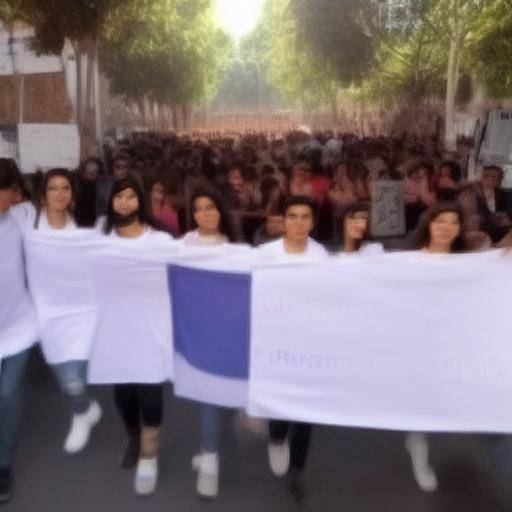
Respect is a fundamental value in promoting peaceful coexistence and building a harmonious society. In the context of peace education, the role of respect is of crucial importance, as it is through mutual respect that fosters understanding, empathy and constructive dialogue between individuals and communities. In this article, we will explore in depth the meaning and relevance of respect in the context of education for peace, as well as its impact on the current society. Throughout this content, we will discover how respect, the role it plays in promoting peace and its practical applications.
History and Background
The concept of respect has profound historical roots in diverse cultures and traditions over time. From ancient philosophical teachings to contemporary practices, respect has been valued as an essential principle for social harmony and mutual understanding. In ancient Greece, for example, respect was regarded as a pillar of ethics, reflected in the work of great thinkers such as Plato and Aristotle.
During the Middle Ages, many religious traditions promoted the idea of respect for others as a fundamental commandment for peaceful coexistence. At present, respect remains a central theme in moral and civic education in many cultures around the world.
Analysis in Deep
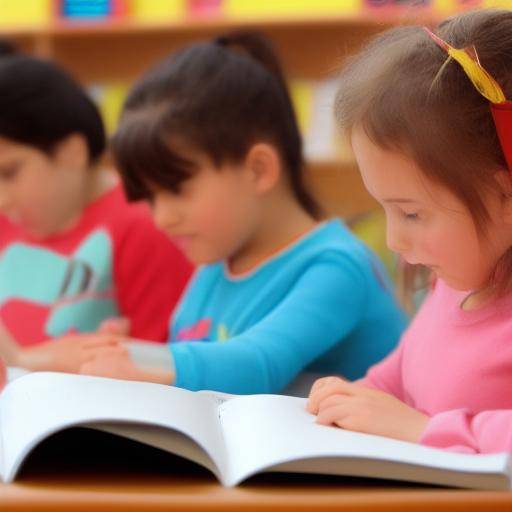
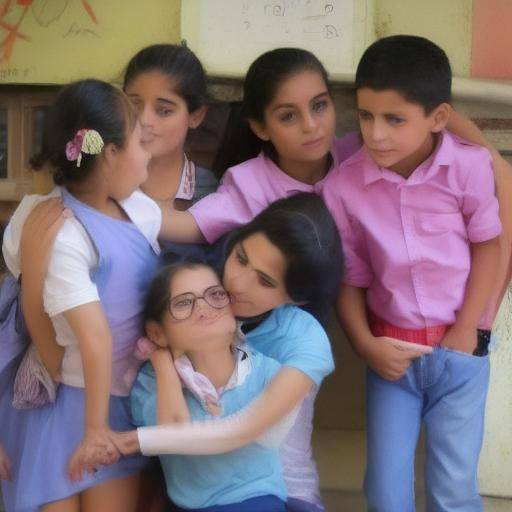
Respect for peace education not only implies recognition of the dignity and rights of others, but also acceptance and appreciation of diversity in all its forms, including cultural, religious, ethnic or gender differences. Fostering mutual respect from early ages is essential to sowing seeds of tolerance and non-violence in future generations.
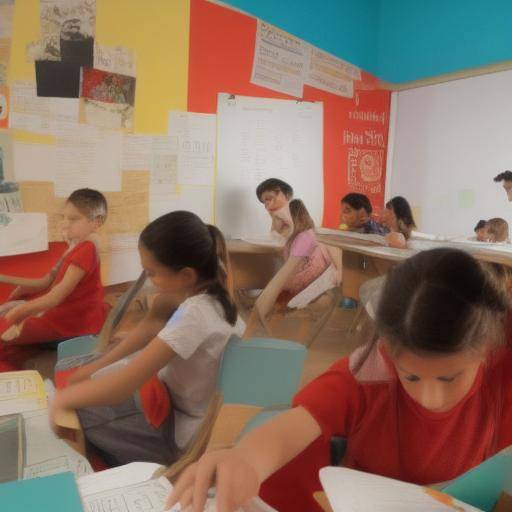
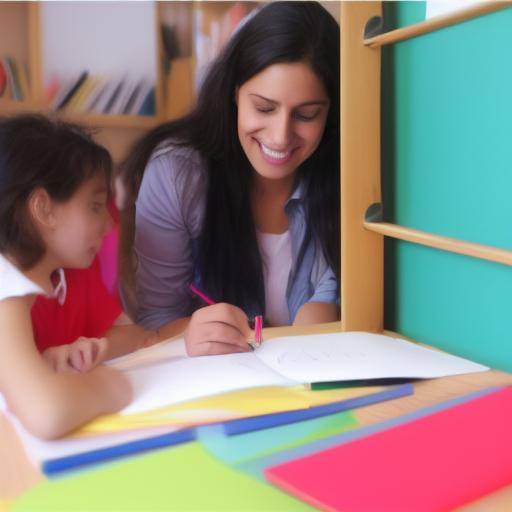
In the field of education, respect is manifested through inclusive practices, awareness programmes and the promotion of the peaceful resolution of conflicts. Teachers and educators play a crucial role in modeling respectful behaviours and in fostering a learning environment that celebrates diversity and intercultural understanding.
Comprehensive review
The implementation of educational strategies that promote respect often entails tangible benefits in the personal and social development of students. These benefits include improving communication skills, strengthening self-esteem, reducing school harassment and creating safer and more welcoming school environments. The promotion of respect for peace education also contributes to the formation of citizens committed to social justice and equality.
However, challenges also arise in promoting respect in educational contexts, one of the main factors being the resistance to change by key actors in the educational system. The implementation of new practices and policies that promote respect can face obstacles stemming from institutional inertia, lack of resources and resistance to change. Addressing these challenges requires sustained commitment by all actors involved in the educational process.
Comparative analysis
In analyzing the role of respect in peace education, it is relevant to compare it with other educational values and approaches that share similar objectives. For example, empathy, justice, solidarity and peaceful conflict resolution are areas interconnected with respect for the promotion of a culture of peace in schools and communities. Identifying synergies and interrelationships between these values is essential to design comprehensive and effective educational strategies.
Practical Tips and Accionable Recommendations##
Conclusions
In conclusion, the role of respect in peace education is of paramount importance to the development of peaceful and equitable societies. Promoting mutual respect from early ages and in all spheres of life contributes to the construction of inclusive, just and peaceful communities. Through educational strategies that promote respect, you can lay the foundation for a world in which diversity is valued, conflicts are resolved peacefully and interpersonal relationships are based on understanding and empathy.
Frequently asked questions
**1. Why is it important to teach respect in peace education?**Respect is essential to foster peaceful coexistence, tolerance and non-discrimination in communities. Teaching respect from an early age contributes to the formation of citizens committed to building a more just and equitable world.
**2. How can teachers promote respect in the classroom?**Teachers can promote respect in the classroom through inclusive practices, awareness-raising programmes on diversity, peaceful conflict resolution and modelling of respectful behaviours.
**3. What are the benefits of fostering respect for peace education?**Promoting respect in peace education can lead to improved communication skills, strengthening self-esteem, preventing school harassment and training of citizens committed to social justice and equality.
**4. What are the challenges in promoting respect in educational contexts?**Some of the challenges in promoting respect in educational contexts include resistance to change, lack of resources and institutional inertia. Overcoming these challenges requires sustained commitment by all actors involved in the educational process.
**5. How is respect related to other educational values in the promotion of peace?**Respect is closely related to other educational values such as empathy, justice, solidarity and the peaceful resolution of conflicts. Identifying the interrelationships between these values is essential to design comprehensive and effective educational strategies.
**6. What is the long-term impact of promoting respect for peace education?**The long-term impact of promoting respect for peace education is the creation of more just, inclusive, equitable and peaceful societies, where diversity is valued and conflicts are resolved constructively.
Concluding, respect plays a key role in peace education, as its promotion contributes to the formation of citizens committed to social justice, equality and non-violence. By fostering educational practices and programmes that promote mutual respect, they lay the foundation for building a more harmonious and peaceful world.