In today's society, where globalization and interconnection of cultures is an increasingly present reality, the role of cultural diversity in the formation of values is of crucial importance. Interaction with different cultures enriches our perspective in the world, promotes empathy and promotes a more inclusive and tolerant society. In this article, we will explore in depth the role of cultural diversity in the formation of values, its impact on society and its relation to education, coexistence and the evolution of values in different contexts.
The Importance of Cultural Diversity in Values Formation
With the growing global interconnection, cultural diversity has become a fundamental pillar for personal and social enrichment. Living with different cultures, customs and traditions gives us the opportunity to broaden our horizon of thought and understanding, which in turn influences the perception and consolidation of our individual and collective values. In this regard, the role of cultural diversity is essential for the construction of a more inclusive and respectful society of plurality.
The Historical Evolution of Cultural Diversity and its Impact on Values
Cultural diversity has been a fundamental pillar in building human identity throughout history. From ancient trade routes to contemporary migrations, the interaction between different cultures has marked momentous milestones in the formation of values, influencing morals, beliefs and social norms. Exploring historical processes of cultural exchange allows us to understand how values have been forged and transformed over time, as well as the influence of that process in today's society.
The Impact of Cultural Diversity on Values Formation
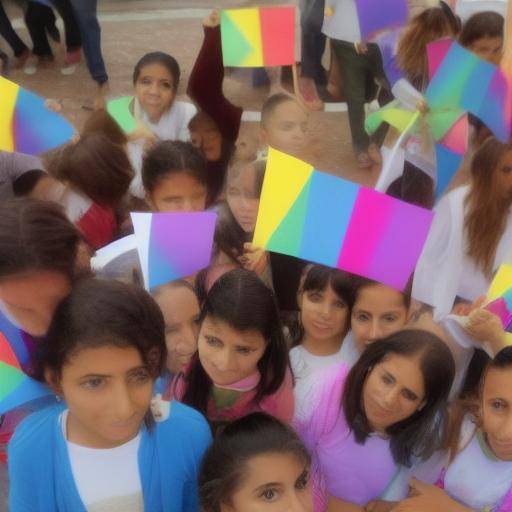
Cultural diversity has a significant influence on the formation of values, generating a positive impact on the way we perceive and relate to the world around us. From promoting empathy and understanding to building more inclusive societies, their role transcends geographical and cultural borders, shaping the cosmovision and sense of belonging of communities. In addition, the integration of cultural diversity in the formation of values contributes to strengthening social cohesion and promoting equal opportunities, thus promoting respect and harmonious coexistence.
Benefits and Challenges of Cultural Diversity in Values Formation
While cultural diversity brings many benefits in the formation of values, it also faces challenges that need to be addressed constructively. Among the most outstanding benefits are cultural enrichment, the promotion of tolerance and the promotion of creativity through the exchange of perspectives. However, the challenges associated with intercultural understanding, conflict management and the preservation of cultural identities can represent significant obstacles in the process of securities formation.
Cultural Diversity and its Incidence in Education and Convivence
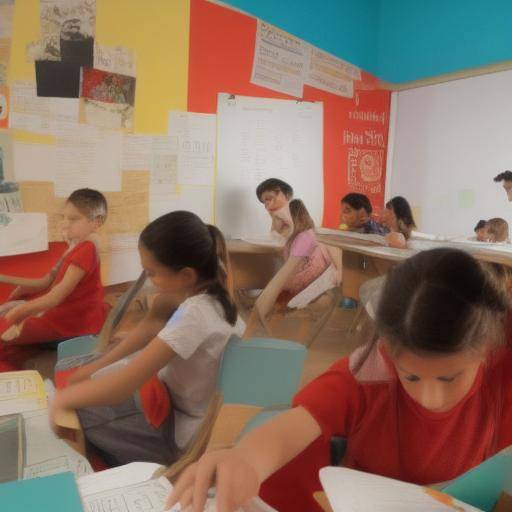
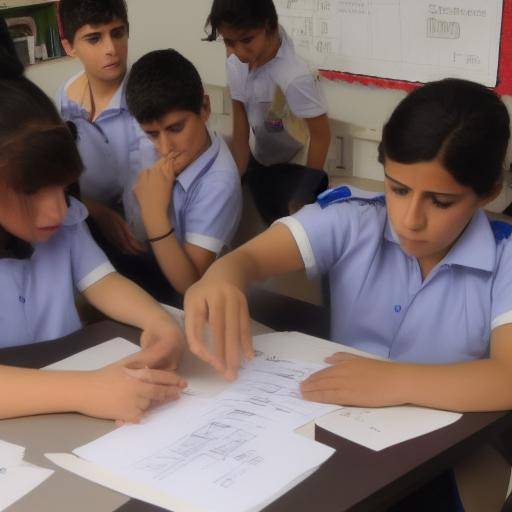
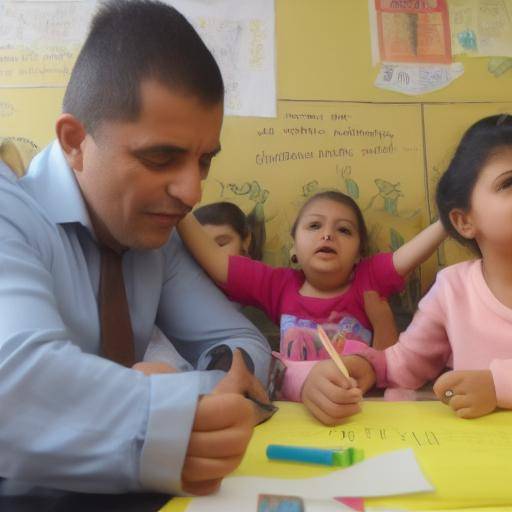
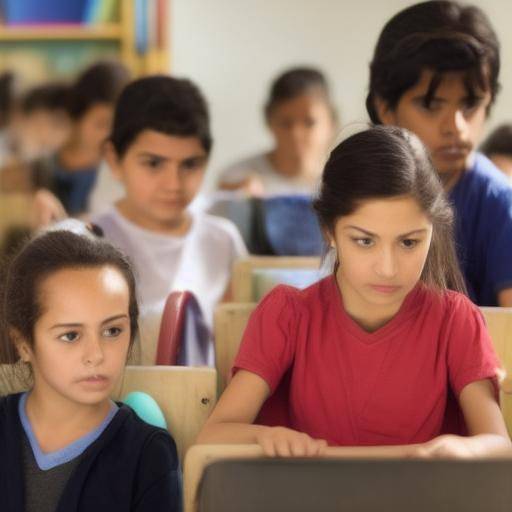
The integration of cultural diversity in the field of education and daily living together plays a key role in building values. Intercultural education fosters mental openness, respect for diversity and differences as a source of enrichment. It also promotes critical reflection on one's beliefs and values, contributing to a more solid and pluralistic formation.
Strategies and Best Practices to Integrate Cultural Diversity into Training Processes
The inclusion of cultural diversity in education and coexistence requires strategies and best practices that foster intercultural dialogue, the promotion of equality and the recognition of diversity as a fundamental value. The development of educational programmes that incorporate intercultural activities, teacher training in intercultural skills and the creation of inclusive learning environments are some of the key actions to promote the effective integration of cultural diversity in value-building.
Final Reflections and Future Perspectives
Cultural diversity plays a key role in the formation of values, nurturing human wealth with a multiplicity of perspectives, knowledge and experiences. Its influence transcends geographical and cultural boundaries, creating more equitable and respectful societies. As we enter an increasingly interconnected world, the valuation and promotion of cultural diversity in the formation of values acquires an inescapable relevance, contributing to the construction of a more inclusive and human future.
Frequently asked questions
What is the role of cultural diversity in the formation of values?
Cultural diversity plays a key role in the formation of values by enriching our world vision, fostering empathy and promoting tolerance and respect for the plurality of cultural expressions. Their influence contributes to the configuration of more inclusive and equitable societies.
What are the benefits of promoting cultural diversity in values formation?
In promoting cultural diversity in values formation, cultural enrichment is enhanced, intercultural understanding is promoted and more inclusive and respectful societies are encouraged. In addition, cultural diversity stimulates creativity and the development of multiple perspectives.
What challenges are related to the integration of cultural diversity in the formation of values?
The integration of cultural diversity in the formation of values faces challenges such as the management of intercultural conflicts, the preservation of cultural identities, and the understanding of differences as a source of enrichment.
What role does cultural diversity play in the educational field?
Cultural diversity in the educational sphere is essential to promote mental openness, respect for plurality and critical reflection on one's beliefs and values. It favors the formation of more tolerant and prepared individuals for a diverse and globalized world.
What is the importance of cultural diversity in everyday living?
The integration of cultural diversity into everyday coexistence promotes respect, tolerance and the celebration of differences as a source of enrichment. It contributes to the construction of more inclusive and cohesive communities.
What strategies can be implemented to integrate cultural diversity in values formation?
The implementation of intercultural activities, teacher training in intercultural competencies and the creation of inclusive learning environments are effective strategies for integrating cultural diversity in value-building.
In short, cultural diversity plays a key role in the formation of values by enriching our world vision, fostering empathy, promoting tolerance and building more inclusive and respectful societies. Integrating cultural diversity in education and everyday coexistence requires effective strategies that promote intercultural dialogue and promote equality. In assessing and promoting cultural diversity, we contribute to building a more equitable, humane and enriching world for future generations.