Introduction
Cultural diversity has been, throughout history, a fundamental pillar in the formation of individual and collective identities. The different manifestations, traditions and cultural values have shaped societies, influencing the perception, behaviour and development of people. This article aims to explore the role of cultural diversity in identity formation, offering a thorough analysis of its implications, challenges and benefits in today's society. In addition, we will provide practical advice, expert perspectives, case studies and future predictions related to this topic, which will allow the reader to gain an integral understanding of its importance and scope.
History and Background
The influence of cultural diversity in identity formation has deep roots in the history of humanity. Since ancient times, different cultures have interacted, exchanged knowledge, customs and values that have enriched the identity of peoples. Civilizations such as the Egyptian, Greek, Roman, Chinese, among others, have left a cultural legacy that is still in force today. Migration, conquests and trade have fostered the mix of cultures, giving rise to multicultural societies that reflect diversity in all its facets.
The discovery of America and the subsequent European colonization marked a turning point in global cultural interaction. This encounter between the Old World and the New World led to exchanges of products, languages, religions and traditions that shaped the identity of the societies involved. However, it also led to conflicts, imbalances and cultural confrontations that left profound traces in history.
The twentieth century, with its technological advances and its opening to the world, led to a process of globalization that has accelerated the interaction between different cultures. This phenomenon has had a significant impact on the formation of identities, leading to hybrid identities, in which elements of different cultures intertwine to create unique identities and constantly evolving.
Deep analysis
Benefits of Cultural Diversity in Identity Formation
Cultural diversity gives people the opportunity to explore and understand different perspectives and forms of life, which enriches their vision of the world and strengthens their identity. Interaction with people from different cultures promotes empathy, tolerance and respect, fundamental aspects in building an open and receptive identity.
In addition, cultural diversity fosters creativity and innovation by exposing people to new ideas, practices and artistic expressions, which enriches their individual and collective identity. The diversity of knowledge, skills and experiences from different cultures expands personal and professional development opportunities, strengthening identity in diverse contexts.
Challenges of Cultural Diversity in Identity Formation
Despite its benefits, cultural diversity also poses challenges in identity formation. The coexistence of different cultures can generate conflicts, misunderstandings and discrimination, which has a negative impact on building solid and equitable identities. The preservation of cultural identities against global homogenization is another relevant challenge, as the dominant influence of certain cultures can lead to the loss of cultural diversity and the erosion of minority identities.
The integration of cultural diversity into educational systems and organizations, as well as the promotion of inclusiveness and equity policies, are fundamental aspects of tackling these challenges and promoting an enriching and respectful identity formation.
Current Trends in Cultural Identity Formation
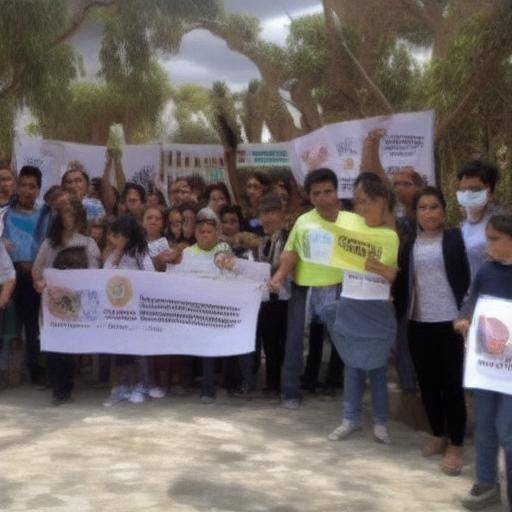
In the digital era, cultural diversity has been reflected in artistic production, music, cinema and other forms of cultural expression, which has contributed to the visibility and valuation of diverse cultural identities. The growing attention to social movements that promote diversity and inclusion has led to debates and reflections on identity formation, generating a change in the perception and appreciation of cultural diversity in today's society.
Comprehensive review
Applications Practices in Identity Training
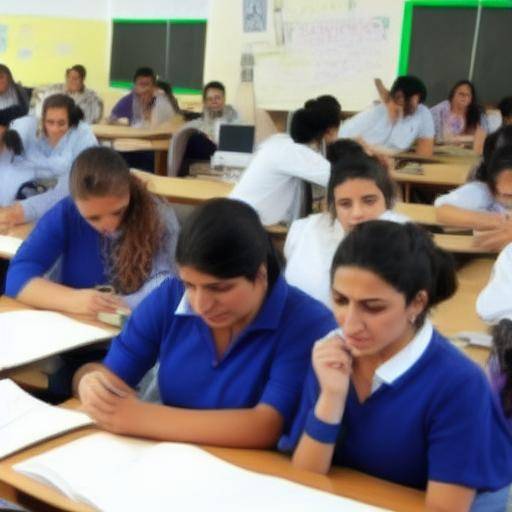
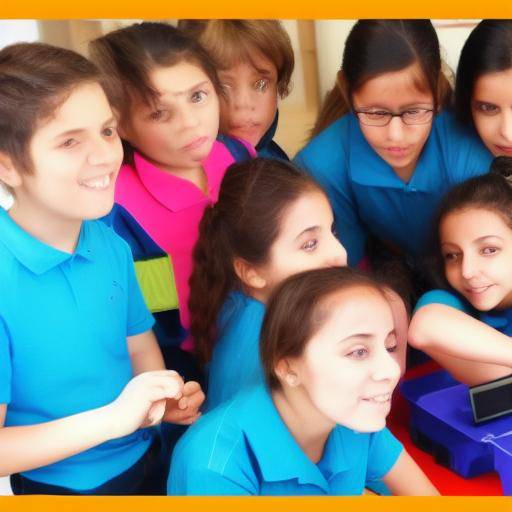
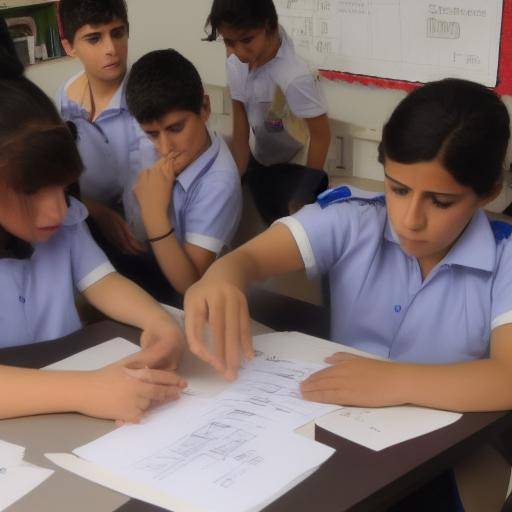
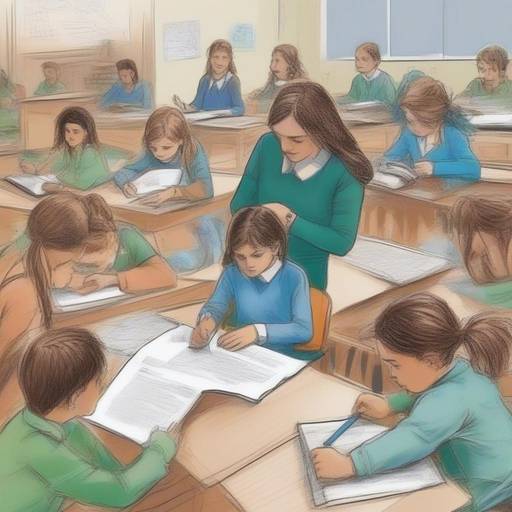
In education, the incorporation of cultural diversity in academic programmes and the promotion of cultural exchanges in classrooms are key strategies for fostering inclusive and respectful identity formation. Cultural diversity gives students the opportunity to understand their own cultural context, as well as others, by promoting the valuation of diversity and mutual enrichment.
In the field of work, promoting cultural diversity in the working environment not only enriches the formation of employment identity of employees, but also contributes to innovation, intercultural understanding and creativity in diverse work teams.
Opinions of Experts and Future Perspectives
According to María Herrera, a researcher in cultural diversity, "Identity formation through cultural diversity is a dynamic process that depends on the social, economic and political context in which people are engaged. It is essential to promote equity, intercultural dialogue and the active participation of individuals to enrich and strengthen their identity in a diverse and globalized world."
With regard to future prospects, it is estimated that cultural diversity will continue to play a crucial role in building identities in an increasingly interconnected society. The valuation of diversity, the inclusion of diverse perspectives in different areas and the strengthening of plural identities will be key aspects in building more just and equitable societies.
Comparative analysis
The relationship between the role of cultural diversity and identity formation is complex and multifaceted. While cultural diversity acts as a catalyst for the formation of enriching identities, it also poses challenges that need to be addressed actively and consciously. The coexistence of different cultures in a society stimulates reflection, learning and adaptation, enriching the identity of people and communities.
Practical Tips and Recommendations
Promoting Cultural Diversity
- It promotes participation in intercultural activities that promote dialogue and understanding among people from different cultures.
- It supports educational initiatives that incorporate cultural diversity into its academic programs.
- It values and respects diverse cultural traditions and manifestations in your environment, promoting the preservation of cultural diversity.
Conclusions and FAQs
Conclusions
In conclusion, cultural diversity plays a key role in identity formation, enriching individual and collective experiences and perspectives. Its influence is reflected in all aspects of human life, from education and work, to artistic expression and social coexistence. The proper management of cultural diversity allows the promotion of inclusive, respectful and constantly evolving identities, shaped by wealth and variety of cultural expressions.
Frequently asked questions
1. How does cultural diversity influence the perception of the world?
Cultural diversity expands the world's vision by exposing people to different perspectives, values and forms of life, promoting understanding and mental openness.
2. What role do public policies play in promoting cultural diversity?
Public policies can promote awareness, protection and promotion of cultural diversity through legislative measures, educational programmes and dissemination.
3. How does cultural diversity affect identity formation in the workplace?
Cultural diversity in the working environment fosters collaboration, creativity and innovation by integrating diverse perspectives, strengthening labour identity and promoting an inclusive environment.
4. What is the impact of globalization on cultural diversity and identity formation?
Globalization has expanded interactions between different cultures, which has enriched identities by integrating elements of various cultural traditions and expressions.
5. What challenges does cultural diversity pose in identity formation?
Challenges include discrimination, intercultural conflicts and the preservation of minority identities against dominant influences.
6. What is the role of cultural diversity in building more equitable and just societies?
Cultural diversity promotes understanding, equal opportunities and respect among different groups, which contributes to building more inclusive and fair societies.
In short, cultural diversity plays a significant role in the formation of identities, enriching the vision of the world, fostering intercultural understanding and promoting the assessment of plurality. Understanding and properly managing cultural diversity is crucial for building inclusive, respectful and constantly evolving identities in a diverse and globalized world.