Introduction
In today ' s society, the ability to resolve problems effectively is essential for personal and professional success. The teaching of problem solving skills to young people is crucial to preparing them for the challenges they will face in the future. In this article, we will explore various resources, strategies and approaches to effectively teach these skills. From practical techniques to innovative methods, we will discover how to help young people develop this vital competition.
History and Background
Problem solving skills have a long history of development and influence in human societies. From ancient philosophies to contemporary theories, the focus on problem solving has evolved significantly over time. From the philosophical approach of Aristotle to the modern theories of the creative solution of problems, the history of this field is rich and varied.
The need for problem solving skills has become even more pronounced in the current environment, characterized by complexity and uncertainty. Technological advances and social changes have created new and unique challenges, making the ability to effectively address problems more important than ever.
Analysis in Deep
Problem solving skills play a key role in various aspects of life, from academia to the working environment. The mastery of these skills not only allows individuals to overcome obstacles, but also encourages critical thinking, informed decision-making and creativity.
A detailed analysis of problem solving skills reveals a number of tangible benefits. People who possess these skills tend to be more efficient, effective and adaptable in their approach to addressing challenges. In addition, solving actual problems can also lead to better results in terms of learning, academic achievement and professional success.
Comprehensive review
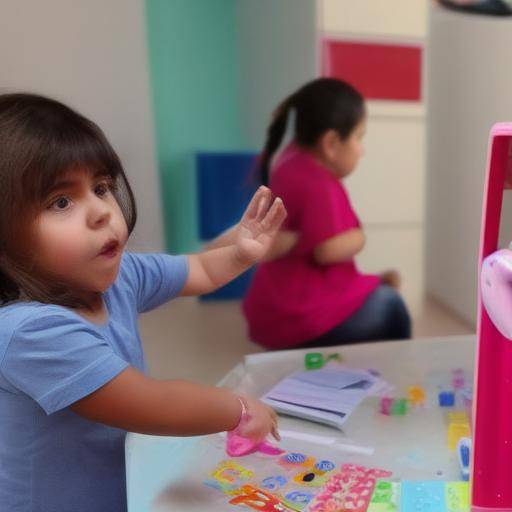
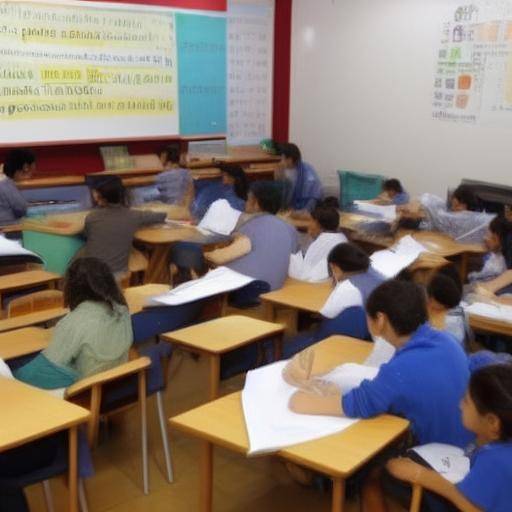
The teaching of problem-solving skills to young people can adopt various forms and approaches, from formal classroom education to experiential learning in informal settings. The resources available for educators and parents offer a wide range of tools to effectively promote these skills.
The use of educational technology, such as interactive applications and online learning platforms, has opened up new opportunities to teach troubleshooting skills. These tools can provide an interactive and collaborative environment that encourages critical thinking and problem solving in realistic contexts.
Comparative analysis
The variety of resources available to teach problem solving skills to young people presents an opportunity to compare and contrast diverse approaches. While some resources focus on solving mathematical and scientific problems, others focus on real-life situations, promoting critical thinking and making informed decisions.
Practical Tips and Accessible Tips
By teaching problem solving skills to young people, it is crucial to provide them with a practical guide and actionable advice that will enable them to apply these skills in everyday situations. Instilling a problem-solving mentality will require a holistic approach that encompasses experimental learning, role modeling, critical thinking and creativity.
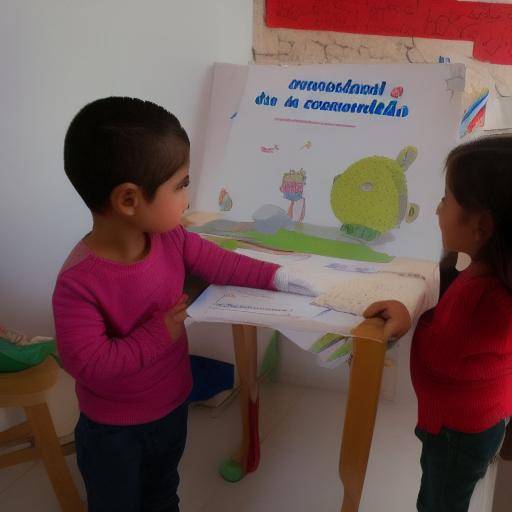
Some practical councils include fostering collaboration and teamwork, presenting challenges that require innovative solutions, and encouraging reflective analysis of the strategies employed. In addition, it is crucial to provide constructive feedback that promotes the growth and continuous development of problem solving skills.
Industry ideas and Expert Reviews
The opinions of experts in the field of education, psychology and relevant fields are fundamental to understanding the importance of teaching problem solving skills to young people. Emerging insights and trends in education can provide a valuable insight into innovative best practices and approaches to fostering these vital skills.
Case Studies and Real Life Applications
Case studies that illustrate the practical application of problem solving skills in real environments can help young people understand the relevance and impact of these skills. By exploring how individuals and organizations have addressed significant challenges, young people can draw valuable lessons that will equip them with the skills necessary to address their own problematic situations.
Future Trends and Predictions
The changing picture of the educational and labour environment suggests that problem-solving skills will remain critical in the future. With the advent of artificial intelligence, automation and globalization, the ability to address complex problems and adapt to dynamic environments is expected to be even more valuable.
The integration of interdisciplinary approaches and the application of innovative teaching methods will open up new opportunities to develop problem solving skills in young people. In addition, collaboration between educators, parents and industry could lead to significant progress in promoting these essential skills.
Conclusion
The teaching of problem-solving skills to young people is an exciting challenge that requires a comprehensive and constantly evolving approach. Through the effective implementation of diverse resources, innovative strategies and collaborative approaches, we can empower future generations with the skills necessary to successfully navigate in a changing world.
Frequently asked questions (FAQs)
1. Why is it important to teach problem solving skills to young people?
Teaching problem solving skills to young people is crucial because it helps them to develop the ability to effectively face challenges, encourages critical thinking, and promotes creativity and informed decision-making.
2. What resources are useful for teaching problem solving skills to young people?
There are a wide range of available resources, such as educational games, interactive applications, teaching materials and online learning programs that can be used to effectively teach troubleshooting skills.
3. How can parents foster problem solving skills in their children?
Parents can foster problem-solving skills in their children by providing a supportive environment where critical thinking, independent decision-making and everyday challenges are promoted.
4. What role do problem solving skills play in academic education?
Problem solving skills are fundamental in academic education, as they enable students to address complex problems, understand difficult concepts and apply critical thinking in various situations.
5. How can educators incorporate problem solving skills teaching into the school curriculum?
Educators can incorporate problem solving skills in the school curriculum through the use of practical exercises, collaborative games and the integration of real-life situations that require the application of these skills.
6. What are some future trends in problem solving skills teaching?
Some future trends include the use of innovative educational technology, the integration of interdisciplinary approaches and the collaboration between education and industry to develop programmes that effectively promote problem solving.
Conclusion
The teaching of problem-solving skills to young people is a fundamental aspect of educational and personal development. By providing effective resources, innovative strategies and collaborative approaches, we can equip future generations with the tools necessary to meet the challenges of tomorrow with confidence and creativity.