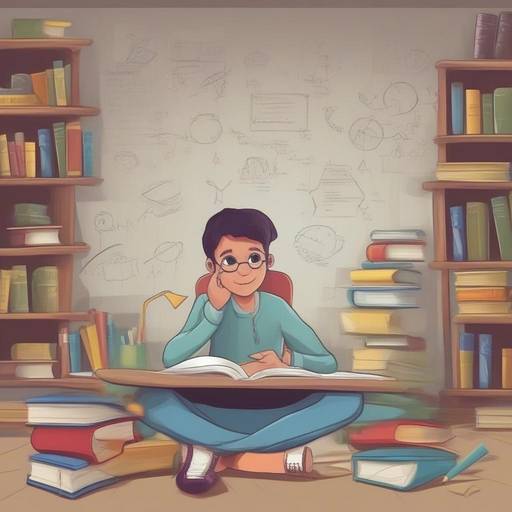
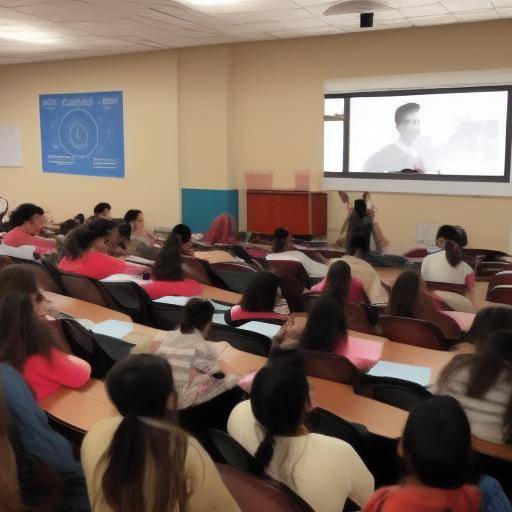
The process of teaching problem solving skills in secondary school is fundamental to the integral development of students. Through effective resources, educators can foster critical skills that prepare young people to face both academic and personal challenges. In this article, we will explore strategies, tools and practical approaches to teach these vital skills in a secondary environment. From history and background to future trends, this content will provide educators, parents and students with a deep understanding of innovative resources to teach problem solving skills in school.
Introduction
The teaching of problem solving skills at the secondary stage is of significant importance, as it prepares students to face complex situations in their studies and later in their professional and personal lives. Through the application of innovative resources, educators have the opportunity to enhance creativity, critical thinking and the ability to face challenges effectively. In this regard, the use of specific tools and pedagogical strategies adapted to the needs of students plays a relevant role in the integral formation of young people.
History and Background
To understand the importance of teaching problem solving skills in high school, it is essential to explore the historical evolution of this educational approach. Over time, there have been significant changes in how problem-resolution skills are conceived, adopting more student-centred approaches and implementing innovative strategies to promote critical thinking and resolution of complex situations.
Over the past few decades, there has been a significant change in the perception of these skills, from being simply regarded as academic skills to competencies essential to personal and professional development. This change has driven the search for effective methods to teach problem solving skills, which has generated a diverse set of resources and pedagogical approaches that seek to enhance the integral development of students.
Deep analysis
The teaching of problem solving skills in high school involves a number of benefits and challenges that deserve to be analyzed in detail. With the integration of innovative resources, it seeks to strengthen capacities such as critical thinking, decision-making and effective resolution of complex situations. This approach presents the opportunity to promote autonomy, confidence and the development of skills that transcend the academic realm.
However, the process of teaching problem-solving skills also presents challenges, such as the adaptation of teaching methods to the individual needs of students, the integration of innovative resources into the school curriculum and the effective evaluation of skills development. It is essential to address these challenges through a deep understanding of the most effective approaches and the selection of tools that meet the specific needs of students.
Comprehensive review
The practical application of resources to teach problem solving skills in secondary education involves exploring cases of success, best practices and prospects of experts in the educational field. Through a comprehensive assessment, it is possible to identify effective approaches that promote the development of critical skills in students, as well as to understand the practical aspects that influence their successful implementation.
Comparison of different methods and approaches is also crucial to selecting the most appropriate resources, considering both the educational environment and the individual needs and characteristics of students. When analysing in detail cases of successful application and experts in the area, you get a comprehensive view of the best strategies and tools to teach problem solving skills in secondary school.
Comparative analysis
By comparing different resources to teach problem solving skills in secondary school, it is possible to identify similarities, differences and possible synergies between pedagogical approaches and didactic tools. The diversity of available resources offers opportunities to integrate different strategies and enhance the integral development of students, taking advantage of the strengths of each approach.
In considering the variety of resources, from problem solving techniques to digital tools and interactive activities, it is crucial to assess how they complement and enrich each other. This comparative analysis allows us to identify the most effective combinations of resources to address the specific needs of students and promote meaningful learning in the area of problem solving.
Practical Tips and Accessible Recommendations
By implementing resources to teach problem solving skills in high school, it is essential to consider practical advice and actionable recommendations that facilitate their effective implementation. Through step-by-step guides, practical examples and pedagogical strategies, educators can maximize the impact of selected resources, promoting the development of problem solving skills in a structured and effective way.
The actionable recommendations include the integration of collaborative activities, the use of study cases relevant to students, the application of problem solving techniques in real contexts and the use of digital tools to promote the active participation of students. These strategies provide a practical framework for the successful implementation of resources that promote the development of problem solving skills in secondary schools.
Perceptions of Industry and Expert Reviews
The perspectives of experts in the educational field provide a valuable insight into future implications and trends in the teaching of problem solving skills in secondary schools. By gathering industry perceptions and expert opinions, it is possible to analyze the impact of innovative resources and pedagogical strategies on the formation of critical skills for the future of students.
Through interviews with prominent educators, researchers and professionals in the field of problem solving, it is possible to collect reliable and valuable perceptions that enrich the understanding of emerging and future trends in the teaching of problem solving skills in secondary school. These perspectives provide an integral vision of the opportunities and challenges facing education in the formation of problem-solving skills.
Case Studies and Practical Applications
The inclusion of detailed case studies and practical applications provides a deep understanding of how resources are successfully implemented to teach problem solving skills in secondary settings. Real cases provide concrete examples of effective strategies, tangible results and lessons learned that enrich understanding of the challenges and opportunities associated with the teaching of problem-solving skills.
When examining practical applications in different educational contexts, it is possible to analyze the impact of selected resources, adopted pedagogical approaches and the results obtained. These case studies offer a practical perspective that allows us to draw valuable lessons to improve the implementation of innovative resources in the teaching of problem solving skills in secondary school.
Future Trends and Predictions
The constant evolution of the educational field raises the need to analyze future trends and make predictions regarding the teaching of problem solving skills in secondary school. Through the analysis of current data, the opinions of experts and the study of emerging developments, it is possible to identify opportunities and challenges that will influence how these skills are taught in the future.
In exploring future trends and making informed predictions, a comprehensive vision of innovation opportunities, the impact of technology on the teaching of problem solving skills and the changing needs of students is provided. These predictions provide a strategic perspective for the adaptation of resources and pedagogical approaches, preparing educators and educational professionals to face the challenges of the future effectively.
Conclusion
In conclusion, the teaching of problem solving skills in secondary education through innovative resources is a fundamental process that influences the integral development of students. The integration of effective tools, student-centred pedagogical strategies and the collection of expert perceptions offer a profound and holistic view of the importance of teaching these vital skills in the school arena. In understanding historical evolution, analysing in detail benefits, challenges, practical applications and future trends, educators can maximize the impact of selected resources and strategies, preparing students to face challenges with confidence and effectiveness.
Frequently asked questions
What are the most effective resources to teach problem solving skills in high school?
The effectiveness of resources to teach problem solving skills in secondary education varies according to the specific needs of students, but some outstanding resources include problem solving techniques, play activities, case studies and interactive digital tools.
How can educators integrate problem solving skills education into the school curriculum?
The effective integration of problem-solving skills in the school curriculum can be achieved through the selection of relevant resources, the application of interdisciplinary approaches and the incorporation of practical activities that foster critical thinking and the resolution of complex situations.
What is the role of technology in teaching problem solving skills in high school?
Technology plays a crucial role in offering interactive digital tools, simulations and educational platforms that enrich the teaching of problem solving skills by providing immersive experiences and practical application opportunities.
How can parents support problem solving skills development in their children?
Parents can support the development of problem-solving skills in their children by fostering the independent resolution of everyday situations, promoting the exploration of different solutions and providing a support environment that promotes confidence and autonomy in the problem-solving process.
What are the emerging trends in teaching problem solving skills in high school?
Emerging trends include a more focused approach to collaborative problem resolution, the integration of critical thinking skills in all areas of the school curriculum and the use of digital platforms for the development of problem resolution skills.
How is the development of problem solving skills evaluated in secondary school?
The assessment of the development of problem-solving skills in secondary schools involves the observation of the ability of students to address complex situations, implement effective problem-solving strategies and generate creative and informed solutions.
Conclusion
In short, the teaching of problem solving skills in secondary education through innovative resources offers significant opportunities for the integral development of students. The strategic use of tools, student-centred pedagogical approaches and the understanding of emerging trends in the educational field prepare educators to train young people with critical skills to face challenges with confidence and effectiveness. By integrating different approaches, implementing practical strategies and anticipating future trends, a solid foundation is laid for the formation of problem solving skills in the school arena, enhancing the development of students prepared to meet the challenges of the twenty-first century.