Cultural diversity in physical education is a fundamental aspect of fostering inclusion and respect for differences in the educational field. Supporting cultural diversity not only enriches the learning experience, but also promotes the construction of more equitable and respectful societies. In this article, we will explore the resources available to support cultural diversity in physical education and its importance, practical applications and future trends in this area.
Introduction
Physical education is not only sporting activities and exercises, but also promoting cooperation, respect and inclusion. In an increasingly diverse world, it is crucial that physical education programmes recognize and celebrate this diversity, providing an environment in which all students feel represented and valued. That is why the integration of cultural diversity in physical education is a relevant and timely issue.
In this article, we will explore the resources that can be used to support cultural diversity in physical education, analyzing its impact, benefits, challenges and best practices to effectively implement them. In addition, we will examine current trends and provide a future vision on how these resources could evolve to meet the demands of an increasingly diverse society.
History and Background
The inclusion of cultural diversity in physical education is rooted in the need to recognize and respect cultural differences within an educational context. Throughout history, physical education has evolved from homogeneous approaches to more inclusive practices, recognizing the importance of adapting to the needs and particularities of each individual.
By the end of the 20th century, the first initiatives focused on cultural diversity in physical education emerged, with the creation of programmes that included sports traditions and physical activities from different cultures. This approach not only enriched curriculum content, but also fostered greater intercultural understanding among students.
The importance of these inclusive approaches has intensified in recent decades, as society has experienced significant demographic changes. In response to this growing diversity, specific resources have been developed to support the integration of cultural diversity in physical education, addressing both theoretical and practical aspects.
Analysis in Deep
Benefits of Cultural Diversity in Physical Education
The integration of cultural diversity in physical education has many benefits. By exposing students to a variety of sports traditions and physical activities from different cultures, respect for differences is encouraged and a sense of appreciation for diversity is promoted. This contributes to the formation of more conscious, tolerant and respectful citizens in a globalized society.
In addition, cultural diversity in physical education offers the opportunity to enrich the curriculum with a wide range of experiences and perspectives, which stimulates creativity and innovation in the teaching and learning process. Students have the opportunity to discover new skills, develop an open mindset and strengthen their cultural identity while participating in diverse physical activities.
Challenges and Considerations
Despite the many benefits, the integration of cultural diversity in physical education also presents challenges. One of the main challenges is the need to adapt educational programmes to ensure that they are culturally sensitive and appropriate for all students, taking into account their cultural background, skills and preferences.
In addition, educators should be prepared to address cultural differences in a respectful and comprehensive manner, avoiding stereotypes or prejudices. This requires a consistent commitment to the formation and development of intercultural skills between the teaching and the student body. Training in cultural diversity and awareness of one ' s own beliefs and prejudices are key aspects of promoting an inclusive and respectful environment in the classroom of physical education.
Current Trends and Futures
Current trends in integrating cultural diversity into physical education reflect an increasingly focused approach to equity, inclusion and mutual respect. Educators are adopting innovative pedagogical strategies that recognize and value cultural diversity, incorporating intercultural approaches, traditional physical activities of various cultures and teaching methods that foster dialogue and mutual understanding.
In the future, more emphasis is expected on intercultural collaboration and knowledge co-building, where students actively participate in the exploration and celebration of diversity through meaningful and contextualized experiences. In addition, growth is expected in the research and development of educational resources that support the integration of cultural diversity in physical education, contributing to the continued evolution of inclusive educational practices.
Comparative analysis
The integration of resources to support cultural diversity in physical education involves the selection and adaptation of materials, educational approaches and teaching strategies that address the needs and particularities of students from different cultures. These resources may include teaching programmes in cultural diversity to the incorporation of traditional physical activities into the curriculum. It is crucial to consider cultural diversity as an enriching element that brings variety, wealth and meaning to the educational process.
When talking about "resources", we refer to tangible and intangible tools that facilitate the implementation of inclusive practices in physical education, such as adapted educational materials, teacher training programs, intercultural physical activities, and spaces for dialogue and reflection that promote respect and mutual understanding.
As for the term "support", this implies providing the necessary support for cultural diversity to be recognized, celebrated and respected in the educational context. It provides a support framework for both students and educators, facilitating the creation of inclusive and equitable environments that recognize and value cultural diversity as an enriching asset.
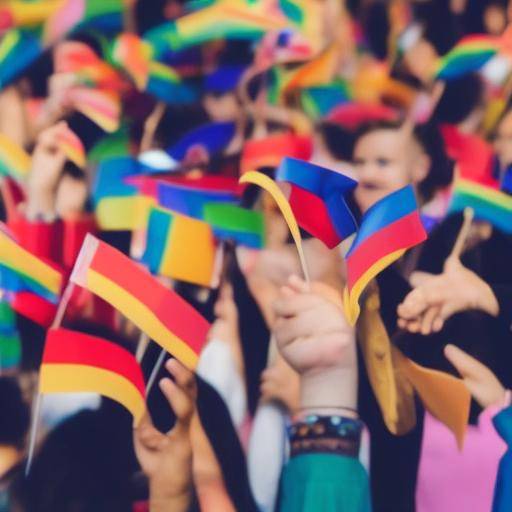
Cultural diversity, for its part, refers to the multiplicity of cultural expressions, traditions, beliefs and practices that coexist in a society. In the context of physical education, cultural diversity is manifested in the wide range of physical and sporting activities that reflect the different cultures present in the educational environment.
Practical Tips and Accessible Recommendations
Teaching Training in Cultural Diversity
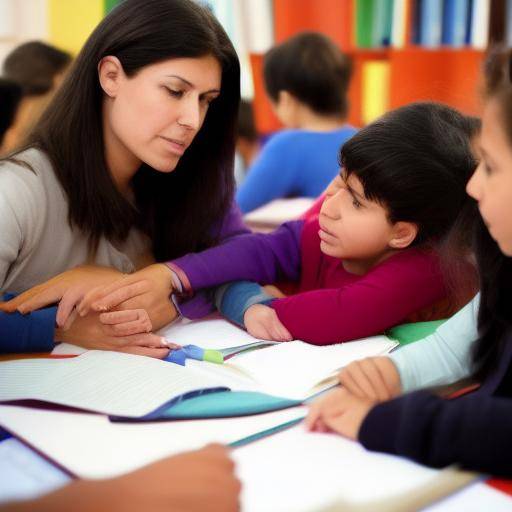
Education in cultural diversity is essential to ensure that educators are prepared to address the needs of students from different cultures. Teacher training programmes should include specific modules on cultural diversity, intercultural competence and inclusive pedagogical strategies, which prepare educators to create learning environments that reflect and value cultural diversity.
Selection of Inclusive Physical Activities
The selection of physical activities for the physical education curriculum must take into account cultural diversity. Educators can incorporate activities that represent the sports and physical traditions of the different cultures present in the educational environment, giving students the opportunity to explore and appreciate the wealth of intercultural physical practices.
Promoting Intercultural Dialogue
Promoting intercultural dialogue in the classroom of physical education is essential to promoting mutual understanding and building bridges between the different cultures present in the educational environment. Educators can organize activities that encourage the exchange of experiences, the assessment of differences and the construction of intercultural empathy, creating an environment of mutual respect and understanding.
Promotion of Cultural Sensitivity
Promoting cultural sensitivity among students is critical to creating an inclusive environment in physical education. Educators can develop strategies to encourage critical reflection on cultural differences, promoting respect, tolerance and appreciation of diversity as a key part of the educational process.
Perceptions of Industry and Expert Reviews
The impact of the integration of cultural diversity in physical education has been recognized by experts in the field of education, who emphasize the importance of considering cultural diversity as a fundamental aspect of student development and comprehensive training. The inclusion of cultural diversity in physical education has been perceived as an enriching element that contributes to the formation of more conscious, understanding and tolerant citizens, able to interact respectfully in intercultural contexts.
Experts note that the integration of cultural diversity in physical education not only enriches curriculum content, but also promotes the development of intercultural skills, the assessment of diversity and the strengthening of the cultural identity of students. They also highlight the importance of providing support and resources to enable educators to effectively address cultural diversity, promoting inclusive environments that recognize and value differences.
Case studies and practical applications
Integration of Traditional Physical Activities
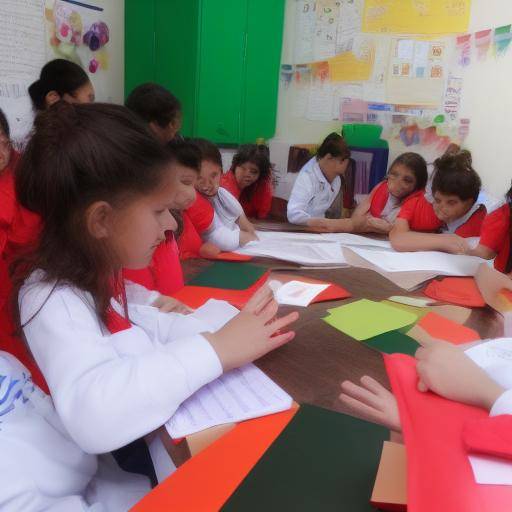
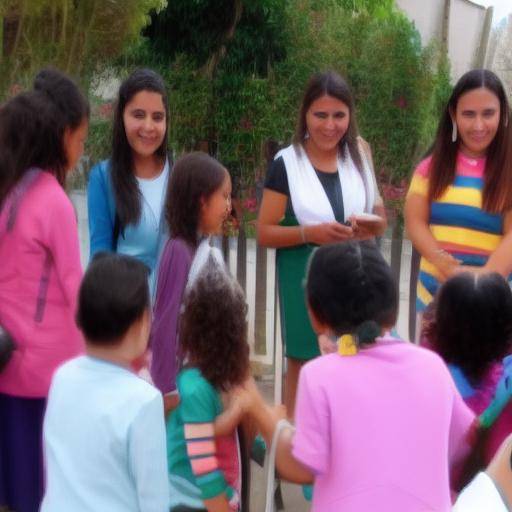
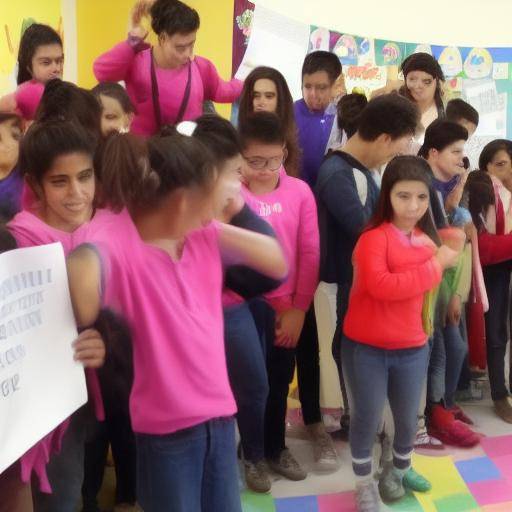
In a case study conducted at a multicultural school, educators implemented a physical education programme that included traditional physical activities of different cultures represented in the school community. Students had the opportunity to learn and practice games and sports from different cultural contexts, which promoted the exchange of experiences and the recognition of diversity as an enriching value.
Dialogue and Inter Reflection
cultural cultural
In another case, the impact of the implementation of spaces for intercultural dialogue and reflection in the classroom was observed. Educators facilitated discussions that invited students to share their experiences, practices and cultural traditions related to physical activity, fostering mutual understanding and assessing differences.
Future Trends and Predictions
The integration of cultural diversity in physical education is expected to continue to evolve in response to the demands of an increasingly diverse and globalized society. Future trends suggest greater emphasis on the development of educational resources that facilitate the implementation of inclusive practices in physical education, as well as the promotion of teacher training in cultural diversity and intercultural competence.
In addition, there is an increase in the integration of educational technologies that facilitate access to resources and materials that reflect cultural diversity, as well as the development of innovative pedagogical strategies that promote intercultural dialogue and critical reflection on diversity. The integration of cultural diversity in physical education is a fundamental aspect in the development of conscious, respectful and able global citizens to interact equally in intercultural contexts.
Conclusions
In conclusion, the integration of cultural diversity in physical education requires the implementation of specific resources that promote the inclusion, respect and assessment of differences.
Promoting cultural diversity in physical education not only enriches educational experience, but also contributes to the development of conscious, understanding and tolerant citizens in a globalized and diverse society.
Frequently asked questions
Why is it important to support cultural diversity in physical education?
Supporting cultural diversity in physical education is crucial because it promotes the inclusion, respect and understanding of differences among students. In addition, it promotes the development of intercultural skills and strengthens the cultural identity of students.
What are some resources that can be used to support cultural diversity in physical education?
Some resources that can be used include adapted educational materials, educational programs in cultural diversity, traditional physical activities of different cultures, and spaces for intercultural dialogue and reflection.
How can educators promote cultural sensitivity in physical education?
Educators can promote cultural sensitivity through the implementation of strategies that encourage critical reflection on cultural differences, mutual respect and the assessment of diversity as a fundamental part of the educational process.
What are future trends in integrating cultural diversity into physical education?
Future trends are expected to include greater emphasis on the development of educational resources that facilitate the implementation of inclusive practices, as well as the promotion of teacher training in cultural diversity and intercultural competence. In addition, there is an increase in the integration of educational technologies and innovative pedagogical strategies that promote intercultural dialogue and critical reflection on diversity.
What is the impact of the integration of cultural diversity in physical education?
The integration of cultural diversity in physical education has a significant impact on the formation of conscious, comprehensive and tolerant citizens, able to interact equitably in intercultural contexts. It also promotes the assessment of cultural diversity as an enriching element in the educational process.
How can educators adapt physical education programs to be culturally sensitive?
Educators can adapt physical education programs to be culturally sensitive by selecting physical activities that represent the sports and physical traditions of different cultures present in the educational environment, and promoting intercultural dialogue and reflection in the classroom.
In short, the integration of resources to support cultural diversity in physical education requires a firm commitment to the inclusion, respect and valuation of differences. By providing an educational environment that reflects and celebrates cultural diversity, it contributes to the development of conscious, comprehensive and respectful citizens in a diverse and globalized society.