Introduction
Cultural diversity is a fundamental element in artistic education, as it enriches learning and promotes appreciation of the different artistic manifestations from different cultures. It is vital to provide resources that support this diversity in the educational field, promoting intercultural inclusion and understanding. In this article, we will explore various resources and strategies to support cultural diversity in artistic education, providing both relevant information and practical advice to enrich the educational experience.
History and background
The relationship between cultural diversity and artistic education has deep roots in the history of humanity. From ancient civilizations to the contemporary era, art has served as a means of expressing cultural particularities and transmitting knowledge among generations. In artistic education, cultural diversity has evolved significantly over time, with changing approaches and greater recognition of the importance of equitable representation of diverse cultures.
Benefits of cultural diversity in artistic education
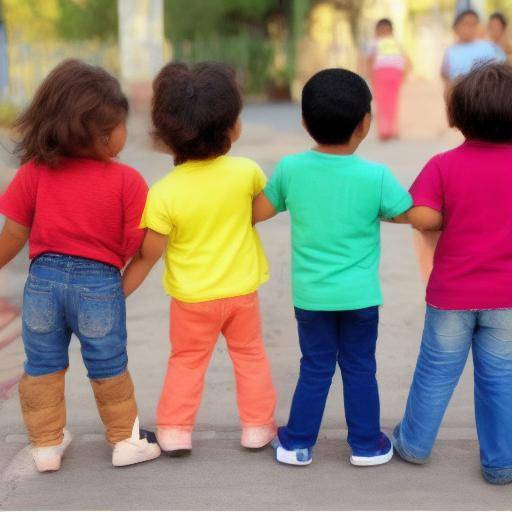
Cultural diversity in artistic education not only enriches the learning experience, but also promotes empathy, respect and tolerance. By exposing students to a wide range of artistic expressions from different cultures, they are encouraged to develop a deeper understanding of human diversity, thus promoting inclusion and social cohesion.
Challenges and opportunities
Despite the many benefits, the integration of cultural diversity in artistic education poses challenges, such as the selection of appropriate resources and teacher training. However, these challenges offer opportunities for innovation and growth, driving educators to seek creative strategies to promote cultural diversity in the classroom.
In-depth analysis
Actual statistics and examples
According to recent data, the inclusion of cultural diversity in artistic education has shown significant impacts on academic performance and the perception of the world of students. For example, studies have shown that students participating in multi-cultural art programs show greater commitment and performance compared to those in lesser environments.
Perspectives and expert opinions
Various experts in art education agree that the integration of cultural diversity is not only fundamental to the development of creative skills, but also essential to the equal participation of all students, regardless of their cultural origin. Exposure to a wide range of artistic expressions provides an enriching experience that prepares students for active global citizenship.
Comprehensive review
Practical applications and best practices
In addressing cultural diversity in artistic education, it is crucial to select resources that reflect a variety of perspectives and traditions. The inclusion of works by artists from diverse cultures, as well as the incorporation of traditional and contemporary artistic practices, enriches the learning of students and promotes the appreciation of cultural diversity in the artistic sphere.
Future projection and prospects
The future of artistic education implies a continuous commitment to the integration of cultural diversity, recognizing that this approach enriches not only educational experience, but also society as a whole. The constant evolution of resources and strategies to support cultural diversity in artistic education reflects the commitment of educators and policymakers to equity and inclusion.
Comparative analysis
Cultural diversity and its support in artistic education are manifested in various ways through specific resources, support strategies and pedagogical approaches. However, there are common aspects that promote the successful integration of cultural diversity in artistic teaching, such as the promotion of creativity and the appreciation of the various forms of cultural expression.
Examples and scenarios
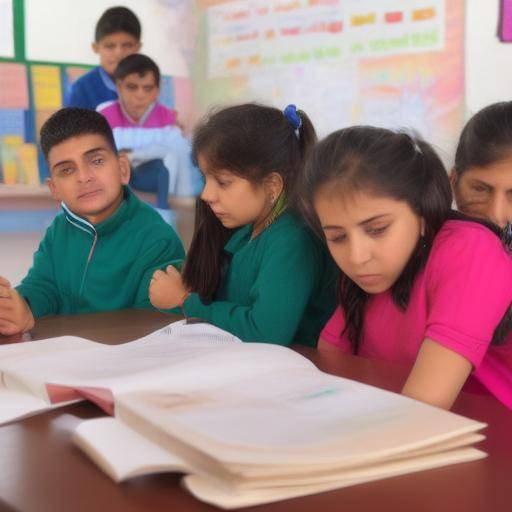
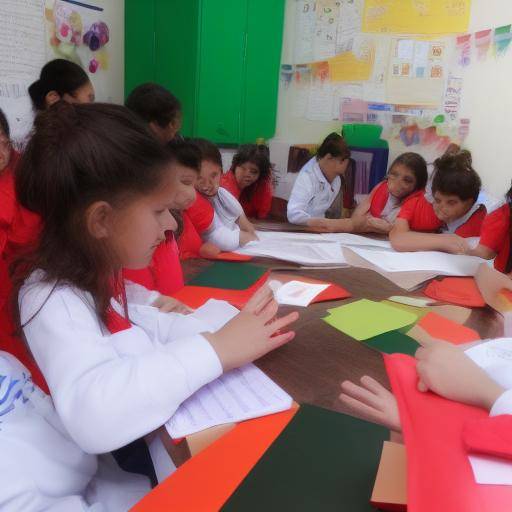
To illustrate the successful integration of cultural diversity in artistic education, let us consider the approach of certain schools that have implemented programs that include cultural elements of various local communities. These programs not only enrich students' learning, but also strengthen the links between school and community, by promoting greater understanding and respect for cultural traditions.
Practical advice and recommendations
Effective educational strategies
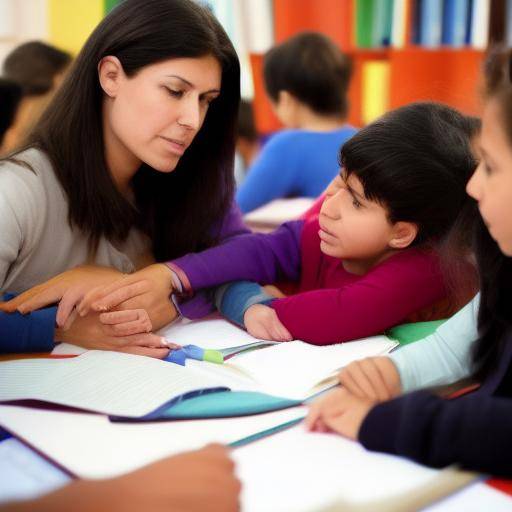
To promote cultural diversity in artistic education, it is essential to adopt pedagogical approaches that promote intercultural exploration and dialogue, as well as the use of diverse and representative artistic resources. In addition, it is important to incorporate practical activities that allow students to express themselves freely, while encouraging them to explore their own cultural roots.
Recommended resources
By selecting resources to support cultural diversity in artistic education, it is essential to consider works by artists from a variety of cultural backgrounds, as well as teaching materials representing global diversity. The use of audiovisual, literary and visual resources from different cultures broadens the perspective of students and enriches their understanding of the world.
Industry perceptions and expert opinions
Reflections on the future
Leaders in the educational and artistic field agree that the integration of cultural diversity in artistic education is not only a necessity, but also an opportunity to enrich learning and foster intercultural appreciation. Collaboration between artists, educators and community leaders plays a crucial role in the development and implementation of effective resources and strategies.
Trends and projections
Current trends in artistic education aim at greater attention to cultural diversity, with an emphasis on equitable representation and the incorporation of diverse perspectives into the curriculum. This trend is expected to continue in the future, encouraging educators to expand their efforts to embrace and celebrate diversity within and outside the classroom.
Conclusions and FAQs
Conclusion
Cultural diversity in artistic education is a vital element that enriches students' learning, promotes inclusion and promotes appreciation of different artistic expressions. By providing resources and strategies that support cultural diversity in artistic teaching, commitment to equity, tolerance and intercultural understanding is strengthened, creating an enriching environment for all those involved in artistic education.
Frequently asked questions
1. Why is it important to promote cultural diversity in artistic education?
The promotion of cultural diversity in artistic education is crucial to fostering inclusion, intercultural understanding and learning enrichment.
2. What resources can be used to support cultural diversity in artistic education?
Recommended resources include works by artists from different cultures, diverse teaching materials and pedagogical strategies that foster intercultural dialogue.
3. How can educators promote cultural diversity in the art classroom?
Educators can promote cultural diversity in the art classroom by incorporating diverse resources, bias and promoting respect for different forms of artistic expression.
4. What impact does the promotion of cultural diversity have on artistic education in society?
The promotion of cultural diversity in artistic education contributes to the formation of more tolerant, globally conscious and culturally sensitive citizens, which in turn enriches society as a whole.
5. What are the common challenges in integrating cultural diversity into artistic education?
Some common challenges include the selection of adequate resources, teacher training and overcoming prejudices in the educational environment.
6. How can resources to support cultural diversity in artistic education benefit students?
The resources that support cultural diversity in artistic education enrich the educational experience by promoting intercultural appreciation, creativity and the development of critical thinking skills.
In short, the promotion of cultural diversity in artistic education requires effective resources and strategies to enrich student learning. By providing access to a wide range of artistic expressions from different cultures, inclusion is encouraged and students are prepared for a globalized and diverse world. The successful integration of cultural diversity in artistic education promotes intercultural appreciation, empathy and respect, creating a positive impact on society as a whole.