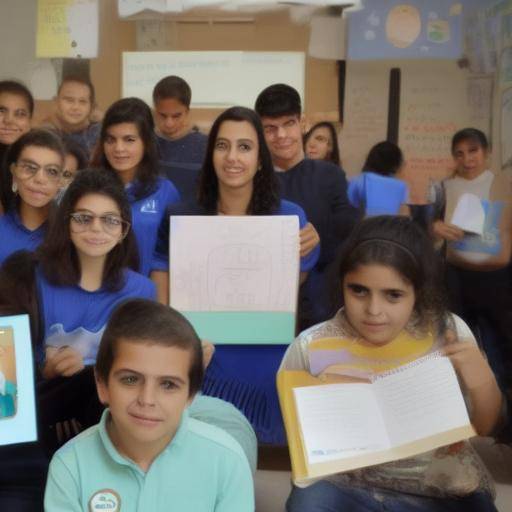
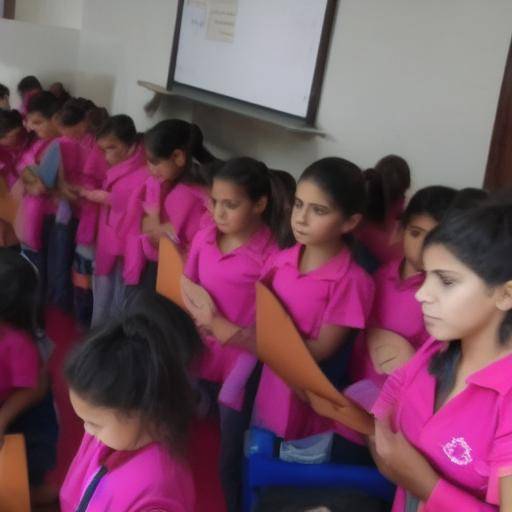
Respect is a fundamental value in any environment, especially in the school arena, where it influences emotional well-being, coexistence and learning of students. Instilling respect from an early age is essential to promoting an environment of harmony and cooperation. In this article, we will explore effective resources to promote respect in the school environment, from historical perspectives to current trends. We will discover practical strategies and tips necessary to educate in respect and promote a culture of positive coexistence.
Introduction
The school environment is the perfect setting for instilling values such as respect, empathy and tolerance. These qualities not only impact the personal development of students, but also shape future society. It is essential to provide educators and families with effective tools to transmit these values, and that is where the resources to inculcate respect come into play.
History and Background
Origins of the value of respect in education
Respect has been a pillar in teaching since time immemorial. Ancient cultures such as Greek and Roman taught the importance of respect through their educational systems. In the modern sphere, the confluence of different philosophical currents has enriched the understanding and application of respect in educational contexts.
Evolution of the educational approach to respect
The evolution of the educational approach to respect has marked significant milestones in history. From the introduction of education programmes in values to the implementation of policies of coexistence, the promotion of respect has experienced different approaches and strategies over time.
Analysis in Deep
Benefits and Challenges of Inculcating Respect
Instilling respect in the school environment entails numerous benefits, such as improving the school climate, preventing school harassment and strengthening interpersonal relationships. However, it also presents challenges, such as resistance to changes by some students, the need for teacher training and the adaptation of existing programmes and resources.
Current Trends in Promoting Respect in Education
The incorporation of technology, cultural diversity and awareness of the importance of emotional intelligence have marked significant trends in promoting respect in the educational environment. Innovative strategies, emotional education programs and interdisciplinary approaches have gained relevance in promoting respect and school coexistence.
Comprehensive review
Practices and Best Practices in the Inculcation of Respect
The effective implementation of resources to inculcate respect requires a comprehensive approach ranging from classroom management to the design of coexistence programmes. Specific examples of successful strategies, such as peaceful conflict resolution, peer mediation and the promotion of diversity, illustrate good practices to promote respect in the school context.
Perspectives of Experts and Future Implications
Educational and psychology experts offer valuable insights on the inculcation of respect in educational settings. The analysis of these views provides a comprehensive vision of future implications, emerging trends and challenges we face in promoting respect for education.
Comparative analysis
Resource Comparison to Inculcate Respect
The application of different resources to inculcate respect, from pedagogical strategies to extracurricular programs, presents similarities and differences in their approaches and results. The detailed comparison of these resources offers a comprehensive view of the strengths and limitations of each one, allowing to identify the most appropriate options for each educational context.
Practical Tips and Accessible Orientation
Tips for Educating in Respect
Developing a set of practical advice based on research and actual experiences provides educators and parents with concrete guidance to inculcate respect in the school environment. These councils range from effective communication strategies to methods to promote empathy and mutual understanding.
Industry Perspectives and Expert Reviews
Expert Reflections and Industry Trends
Gathering the perspectives of experts from the educational field, psychology and pedagogy provides a broad view of trends, challenges and opportunities in promoting respect in educational settings. These reflections shed light on the most effective practices and future direction of education in values.
Case Studies and Applications in Real Life
Impact of the Inculcation of Respect: Studies and Examples
Exploring real cases and practical applications of respect promotion in school environments allows us to understand the tangible impact of these strategies. Detailed case studies and concrete examples illustrate how the inculcation of respect has transformed the dynamics of classrooms, schools and educational communities.
Future Trends and Predictions
Future of Respect in the Education Environment
Analyzing emerging trends and anticipating the future of promoting respect for education provides a prospective vision that guides decision-making and the design of long-term strategies. Considering factors such as technological evolution, cultural changes and early educational needs enriches the understanding of future challenges and opportunities.
Conclusion
Inculcating respect in the school environment requires a holistic approach that integrates effective resources, innovative strategies and a continuous commitment to the socio-emotional development of students. In addressing this challenge with determination and vision, we can model a future based on mutual respect and understanding. These practices will impact not only on the present, but also on building a more inclusive and harmonious society in the future.
FAQs (Frequently Asked Questions)
What are some effective resources to inculcate respect in the school environment?
The implementation of education programmes in values, the promotion of peaceful conflict resolution, the integration of cultural diversity into the curriculum and the promotion of emotional intelligence are examples of effective resources to inculcate respect in the school environment.
How can parents encourage respect at home to support school initiatives?
Parents can foster respect at home by modeling respectful behaviours, open and empathic communication with children, and teaching tolerance and understanding of diversity.
What is the long-term impact of inculcating respect for the education of children?
Inculcating respect for the education of children has a long-term impact on the formation of committed, empathetic and respectful citizens in society. It contributes to the prevention of school harassment, the development of socio-emotional skills and the promotion of healthy interpersonal relationships.
Are there differences in approaches to inculcating respect at different educational stages, such as primary and secondary education?
Approaches to instilling respect can vary according to the educational stage, considering the cognitive, emotional and social skills of students. Programmes and resources adapted to each stage of education can be more effective in taking into account the specific needs and development of students.
How can teachers address the resistance or challenges in inculcating respect among students?
Teachers can address resistance or challenges by instilling respect among students through the application of motivation strategies, the establishment of clear rules of coexistence, the promotion of empathy and conflict resolution in a constructive manner.
What role does technology play in promoting respect in the educational environment?
Technology can play an important role in promoting respect in the educational environment by facilitating access to educational resources on values, promoting awareness of diversity and providing tools for positive communication and conflict resolution.
Conclusion
The inculcation of respect in the school environment is a commitment that transcends the educational sphere, impacting on the construction of a more equitable and respectful society. Through effective resources, innovative strategies and the collective commitment of educators, parents and students, we can forge a future based on mutual respect and understanding. This is a continuous journey that requires dedication and vision, but the rewards will be reflected in the flourishing of a more harmonious and solidarity society.