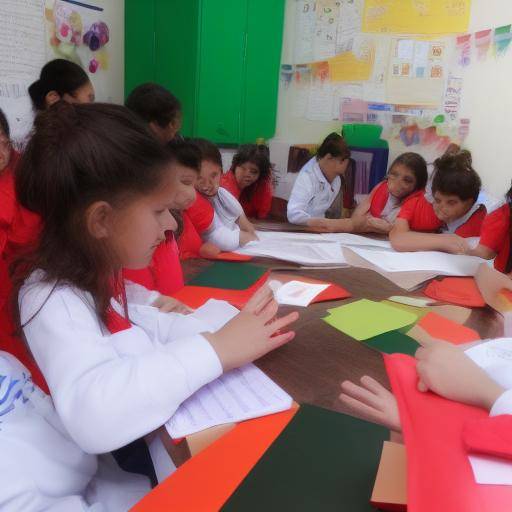
The educational environment has undergone significant changes in recent years, mainly due to digital transformation and the need to adapt to a constantly evolving world. In this context, adaptability has become an essential skill for both students and education professionals. In this article, we will explore the resources available to improve adaptability in the educational environment, providing relevant information, practical advice and a comprehensive view of this crucial issue.
Introduction
Adaptability, understood as the ability to adjust to new situations, is a fundamental skill in the educational environment. The rapid evolution of technology, changes in teaching methods and the impact of global challenges require students and educators to be able to adapt effectively to changing environments. In this regard, having resources that promote and strengthen adaptability becomes indispensable to ensuring success in the educational process.
History and Background
Origins and Evolution of Adaptability in Education
Adaptability in the educational environment has deep roots, with background that go back to the learning theories of prominent psychologists and pedagogues. From the first educational streams to contemporary approaches, the need to adapt to the changing demands of knowledge and the working environment has been a constant. We will explore the historical milestones that have marked the evolution of adaptability in education, from the theories of cognitive flexibility to current approaches of adaptable learning.
Significant Developments and Current Trends
Adaptability in the educational environment has experienced significant developments in recent decades, driven by advances in educational psychology, learning neuroscience and technology applied to education. We will analyze the most significant developments that have shaped the way we design adaptability in education, as well as the current trends that are transforming the way in which students and educators face the challenges of adaptability.
Analysis in Deep
Benefits of Adaptability in Education
Adaptability in the educational environment offers a variety of benefits for both students and education professionals. From greater resilience to changes to the capacity to build creativity and innovation, we will explore in detail the benefits of improving adaptability in the educational context, providing concrete examples and data that support its importance.
Challenges and Obstacles to Improve Adaptability
While adaptability is a crucial skill, its improvement can also present challenges and obstacles. We will analyze the main challenges facing students and educators in trying to strengthen their adaptability, from resistance to change to stress management in dynamic environments. We will identify strategies to overcome these obstacles and encourage effective development of adaptability in the educational environment.
Comprehensive review
Practices and Best Practices
We will explore the various practical applications and best practices to improve adaptability in the educational environment. From teaching methods that encourage flexibility to professional development programs for educators, we will analyze how the improvement of adaptability in different educational contexts is being successfully implemented, offering concrete examples and practical recommendations.
Perspectives of Experts and Future Projections
We will compile the perspectives of experts in the educational field to better understand the role of adaptability in education and its impact on the future. Experts in educational psychology, innovation in the teaching and management of change will provide valuable insights on future trends and the implications of adaptability in a constantly changing educational environment. We will also examine future projections in terms of how adaptability will continue to shape the educational landscape and prepare students and educators for the challenges ahead.
Comparative analysis
Resources to Enhance Adaptability
We will compare and highlight the resources available to enhance adaptability in the educational environment. From technology tools to innovative pedagogical approaches, we will explore how resources contribute to strengthening adaptability both in students and in education professionals, presenting success stories and evaluating their effectiveness.
Improve Adaptability: Methods and Approaches
We will analyze various methods and approaches to improve adaptability in the educational environment, from mindfulness techniques to problem solving strategies. We will highlight the similarities and differences between these methods, providing concrete examples to illustrate their applicability in specific educational contexts.
Practical Tips and Accessible Recommendations
Practical Strategies to Promote Adaptability
We will present practical strategies and actionable recommendations to promote adaptability in the educational environment. From self-assessment techniques to experiential learning activities, we will provide a diverse set of research-supported strategies and practical experience, allowing readers to effectively implement them in their own educational environments.
Ideas of Experts and Industry Information
Perspectives of Leaders in the Field of Education
We will meet the perspectives of leading leaders in the field of education, including school directors, leading teachers and educational development experts. Through key interviews and appointments, we will provide an internal vision on how adaptability is being addressed and promoted in different educational contexts, as well as the opportunities and challenges facing the implementation of resources to improve adaptability.
Case Studies and Practical Applications
Successful Cases of Study in Improved Adaptability
We will present cases of successful studies that demonstrate the effective implementation of resources to improve adaptability in real educational environments. We will explore the results obtained, approaches adopted and lessons learned from these cases, providing readers with tangible examples of how these resources can generate a positive impact on student and educator adaptability.
Future Trends and Predictions
Emerging Trends in Improved Adaptability
We will explore emerging trends in improving adaptability in the educational environment, from using artificial intelligence to custom learning approaches. Based on current data and expert opinions, we will present predictions on how resources will evolve to improve adaptability and how they will influence future education.
Conclusions and FAQs
Conclusions
In conclusion, we will summarize the key points addressed in the article, reinforcing the importance of having effective resources to improve adaptability in the educational environment. We will highlight the relevance of this topic in the current educational landscape and provide a general perspective on the importance of promoting adaptability in the educational process.
Frequently asked questions (FAQs)
1. Why is it important to improve adaptability in the educational environment?
Improved adaptability in the educational environment is crucial because of the changing demands of the working environment and the need to prepare students for an uncertain future.
2. How can educators promote adaptability in the classroom?
Educators can promote adaptability through flexible pedagogical approaches, fostering critical thinking and providing opportunities for problem solving.
3. What technological resources can be useful for improving adaptability in the educational environment?
Resources such as silverforming and online learning tools, personal development applications and collaborative platforms can be useful to improve adaptability in the educational environment.
4. How can students strengthen their own adaptability?
Students can strengthen their adaptability by engaging in extracurricular activities, developing interpersonal skills and searching for challenging learning experiences.
5. What is the role of adaptability in the preparation for the current labour market?
Adaptability is essential to prepare students for the current labour market, as it allows them to face changes, develop new skills and face challenges effectively.
6. What is the emotional impact of improving adaptability in students?
Improved adaptability can have a positive emotional impact on students, as it provides them with tools to cope with stress, uncertainty and changes with a resilient and positive mentality.
Conclusion
Adaptability in the educational environment is a fundamental theme that requires the attention and commitment of all actors involved in the educational process. With effective resources and well-founded strategies, it is possible to strengthen adaptability both in students and in education professionals, preparing them to meet the challenges of the future with confidence and determination. In a constantly changing world, the improvement of adaptability becomes a fundamental pillar in building a solid, inclusive and prepared educational environment for the challenges ahead.
With this article, we have explored the resources available to improve adaptability in the educational environment, providing valuable information, practical advice and a comprehensive perspective on this crucial issue. By applying these resources effectively, we can forge an educational environment that empowers students to succeed in a constantly evolving world.