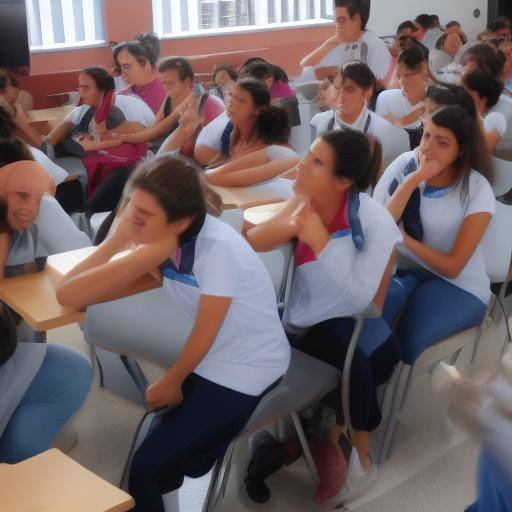
In secondary education, cultural diversity is crucial to promote tolerance, respect and understanding among students. This theme not only enriches the educational environment, but also prepares young people for a multicultural and diverse world. Effective resources are therefore essential to facilitate education on cultural diversity in secondary schools. In this article, we will explore the importance of addressing cultural diversity in secondary education, as well as the resources, strategies and approaches that can be used to promote inclusive and respectful education.
The importance of educating on cultural diversity
Cultural diversity is a fundamental aspect of current society, and its understanding is relevant to the formation of informed and compassionate global citizens. In the context of secondary education, the promotion of cultural diversity contributes to the development of intercultural skills and the promotion of empathy and tolerance among students. In addition, in addressing cultural diversity in the classroom, the cultural horizon of students is extended, thus strengthening their identity and ability to interact in a respectful manner with people of different origins.
Resources to educate on cultural diversity
Educational books and materials
The selection of books and educational materials that reflect cultural diversity is an effective way of bringing students into the wealth of different cultures, traditions and perspectives. These resources may include novels, stories, essays and plays written by authors of various backgrounds, thus offering an authentic view of the experiences of different communities.
Interactive activities
Interactive activities, such as role games, debates and simulations, provide students with the opportunity to explore and understand various cultural views. These dynamics foster dialogue, respect and critical thinking, allowing students to experience in a practical way the challenges and perspectives of different cultures.
Visits to museums and places of cultural interest
Direct contact with artistic, historical and cultural expressions in museums, art galleries and historical sites enriches the understanding of cultural diversity. Organizing educational visits to these spaces offers students the opportunity to immerse themselves in diverse cultural contexts and deepen the appreciation of the creativity and legacy of different communities.
Digital and multimedia tools
The technology offers numerous tools and multimedia resources that can be used to educate about cultural diversity. From documentaries and educational videos to interactive online platforms that explore different cultures, these tools provide a dynamic and attractive approach for students to expand their understanding of cultural diversity.
Effective pedagogical approaches to education on cultural diversity in secondary education
Comparative approach
This approach allows students to compare and contrast different cultures, exploring similarities and differences. In using this comparative perspective, critical reflection and appreciation of cultural diversity are encouraged, while respect and empathy are promoted towards other communities.
Curriculum integration
Integrating cultural diversity in various curricular areas, such as history, literature, art and social sciences, ensures that students recognize the influence and importance of different cultures in multiple aspects of everyday life. This cross-sectional integration allows us to address cultural diversity in a holistic and multidisciplinary way.
Intercultural dialogue
Promoting intercultural dialogue in the classroom, providing space for students to share their experiences, traditions and cultural perspectives, foster mutual understanding and the creation of an inclusive environment. The exchange of ideas and openness to dialogue strengthen respect and appreciation of cultural diversity among students.
Integration of cultural diversity in secondary education: benefits and challenges
Benefits of addressing cultural diversity
- Promotes empathy and intercultural understanding.
- It enriches the development of critical thinking skills.
- Prepare students to participate in a globalized world.
- It promotes greater appreciation of diversity and inclusion.
Challenges in addressing cultural diversity
- Overcoming stereotypes and entrenched prejudices.
- Ensure equal representation of all cultures.
- Address sensitive issues respectfully and reflexively.
- Manage possible conflicts or intercultural misunderstandings.
Strategies to foster an inclusive and respectful educational environment
Educational training in cultural diversity
Providing cultural diversity training for teachers is critical to ensuring that they have the skills and sensitivity necessary to effectively address these issues in the classroom.
Participation of the educational community
Involving the educational community, including parents, guardians and community leaders, in initiatives related to cultural diversity, contributes to creating a comprehensive and diverse educational environment.
Celebration of diversity
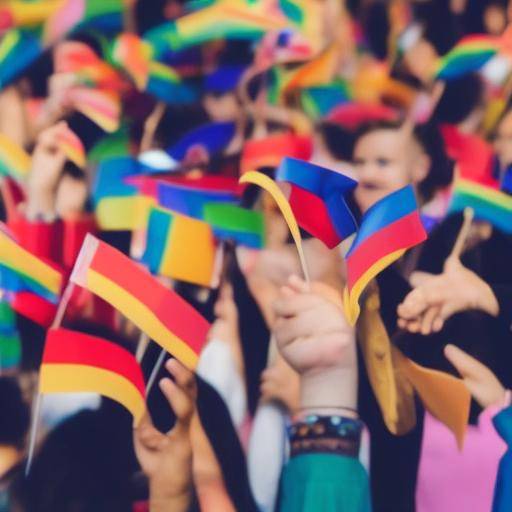
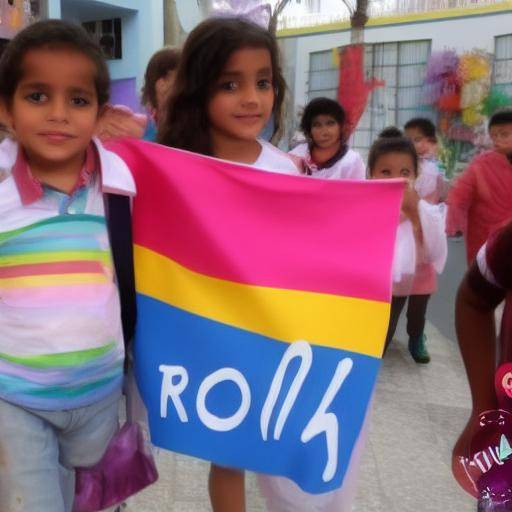
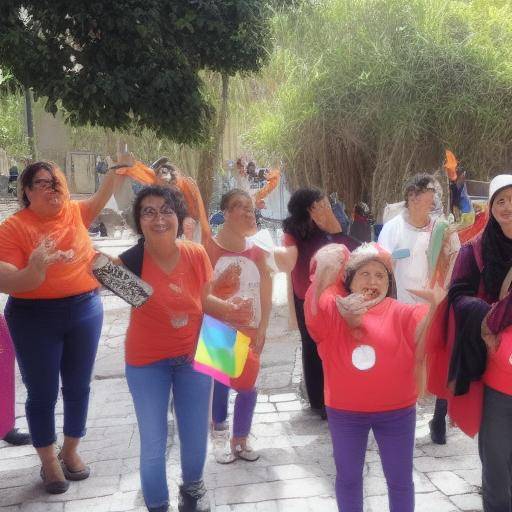
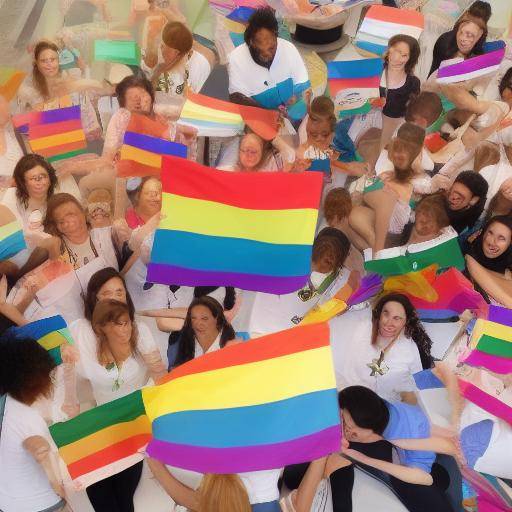
Organizing events, festivals and educational activities that celebrate cultural diversity promotes an atmosphere of respect and appreciation for different traditions and customs.
Inclusive business policies and practices
Promoting inclusive policies and practices within the educational institution ensures that cultural diversity is recognized and valued in all aspects of school life.
Conclusion
Education on cultural diversity in secondary education is a key pillar in cultivating informed, compassionate and competent citizenship in a diverse global environment. By implementing effective resources and inclusive pedagogical approaches, secondary schools can provide students with the necessary tools to appreciate, respect and participate meaningfully in a multicultural world. In promoting cultural diversity in the classroom, a solid foundation is established for the construction of inclusive and comprehensive societies.
Frequently asked questions
1. Why is it important to educate about cultural diversity in secondary education?
Education on cultural diversity in secondary education is crucial, as it prepares students to interact positively and respectfully in multicultural settings, promotes empathy and understanding, and promotes equality and inclusion in society.
2. What are some challenges in addressing cultural diversity in the classroom?
Some challenges include overcoming entrenched stereotypes and prejudices, ensuring equitable inclusion of all cultures, addressing sensitive issues respectfully and managing possible intercultural conflicts.
3. How can traditional educational resources promote cultural diversity in secondary education?
Traditional educational resources, such as books and curricular materials, offer students the opportunity to understand and appreciate the traditions, histories and perspectives of different cultures, thus fostering intercultural inclusion and understanding.
4. To what extent can curriculum integration strengthen education on cultural diversity in secondary education?
Curriculum integration allows to address cultural diversity in a holistic and multidisciplinary manner, which ensures that students recognize the influence and importance of different cultures in various aspects of everyday life, thus promoting a deeper and more comprehensive understanding of cultural diversity.
5. How can teachers effectively address cultural diversity issues in the classroom?
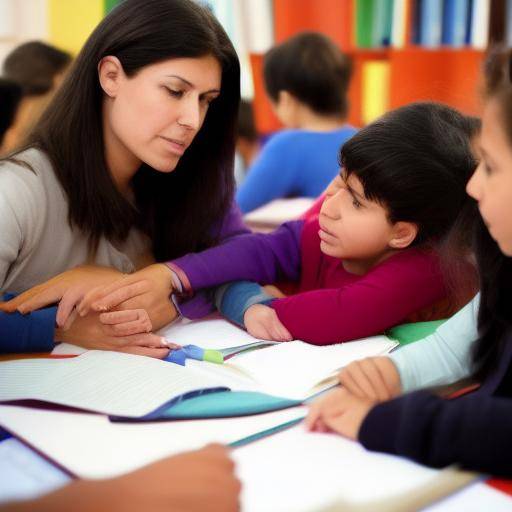
Teachers can effectively address issues of cultural diversity in the classroom through the implementation of inclusive pedagogical approaches, careful selection of diverse educational resources and the promotion of intercultural dialogue to foster understanding and mutual respect among students.
6. How can education in cultural diversity impact the quality of education?
Educational training in cultural diversity provides educators with the necessary tools to address cultural diversity in the classroom with sensitivity, understanding and effectiveness, which contributes to the construction of an inclusive, respectful and enriching educational environment for all students.
References
- Ministry of Education, Culture and Sport (s.f.). Cultural Diversity. https://www.mecd.gob.es/dctm/ministerio/horizontals/themes/multiculturality/dossier-complete_2016.pdf?documentId=da60cfb6-5773-4082-afee-c5cee6dfa2d9
- Fundación SM. (2021). Education in Culture in the classroom: 10 resources to educate in cultural diversity. https://fundacion.sm/es/educacion/blog/educacion-en-cultura-10-recursos-para-educar-en-diversidad-cultural
- UNESCO. Education for world citizenship. https://es.unesco.org/themes/educacion-para-ciudadania-mundial
Conclusion
In secondary education, the promotion of cultural diversity through effective resources and inclusive pedagogical approaches is essential to foster a deep understanding and meaningful assessment of different cultures in an increasingly diverse world. By integrating cultural diversity into the school curriculum and providing practical tools to effectively address these issues, secondary schools can play a key role in the formation of informed and compassionate global citizens.
I hope this article meets your expectations. If you need any additional modification or more content, do not hesitate to let me know.