The development of problem solving skills in children is fundamental to their growth and success in life. The ability to face challenges, analyze situations and find effective solutions is essential in the current world. To help children strengthen these skills, it is necessary to have different resources and strategies that encourage their integral development.
In this article, we will explore a variety of resources that can be used to develop problem solving skills in children. From educational techniques and interactive tools to the importance of the game in learning, we will examine various ways in which this crucial aspect of child development can be encouraged.
Benefits of Developing Child Problem Resolution Skills
Before entering specific resources, it is important to understand the benefits of developing problem solving skills in children. These skills promote autonomy, creativity, critical thinking and informed decision-making. They also prepare children to face both academic and personal challenges, instilling a proactive and resilient mentality.
Educational resources and strategies
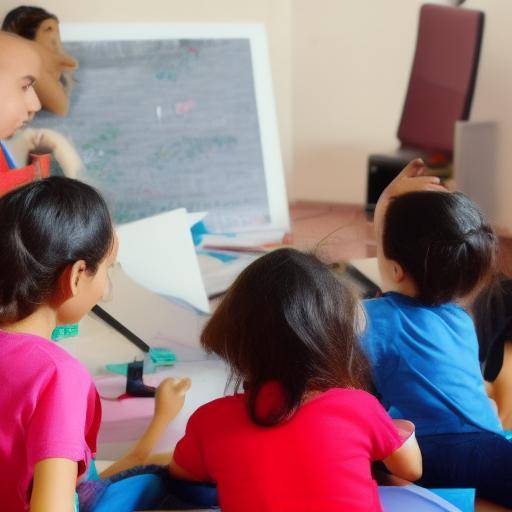
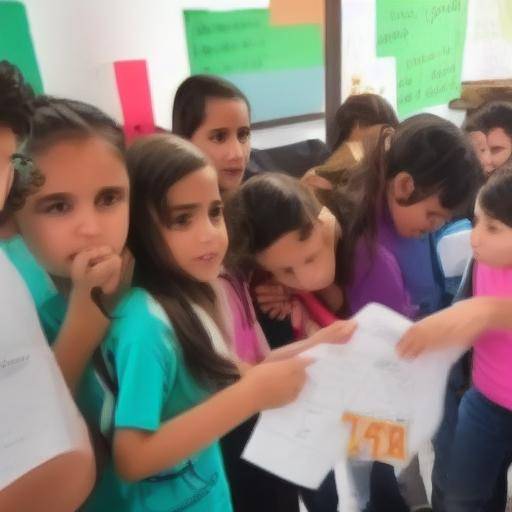
The educational environment plays a key role in the development of problem-solving skills. The educational methods that encourage exploration, critical thinking and collaborative problem resolution are fundamental. Some effective strategies include:
- Project-based learning: Allowing children to address real-world problems through research, planning and implementation projects.
- STEM Approach (Science, Technology, Engineering and Mathematics): Stimulate troubleshooting through the exploration and application of scientific and mathematical concepts.
- Table games and puzzles: Encourage troubleshooting playfully through games that require strategy and critical thinking.
These educational approaches provide children with significant opportunities to face challenges and develop their problem solving skills in a practical and applied way.
Interactive and Technological Tools
The use of interactive and technological tools can be a powerful way to promote the development of problem solving skills in children. Educational applications, computer programs and online tools can provide stimulating and dynamic learning environments that challenge children to solve problems interactively.
Importance of Game in Learning
The game, both structured and informal, is a powerful tool for developing problem solving skills in children. Through the game, children explore, experience and face challenges in a natural and fun way, allowing them to develop their critical thinking and creativity organically.
Strategies to Promote Problem Resolution
In addition to the above-mentioned resources, it is important to consider practical strategies that encourage problem solving in children. Some recommendations include:
- Encourage exploration and discovery: Provide children with environments and opportunities to explore and discover solutions for themselves.
- Supporting divergent thinking: Stimulating the generation of multiple solutions to a problem, fostering originality and mental flexibility.
- Celebrate effort and perseverance: Recognize and value attempts to resolve problems, regardless of the outcome, promoting a positive attitude towards challenges.
Common challenges and how to address them
While the development of problem solving skills in children is of paramount importance, there are common challenges that may arise in this process. Some difficulties include lack of motivation, fear of failure, and a fixed mentality rather than a growing mentality. Addressing these challenges requires specific approaches according to the individual needs of each child. Some strategies to address these challenges include:
- Providing constructive feedback: Instead of focusing solely on the final result, providing feedback that encourages learning and growth, focusing on the problem resolution process.
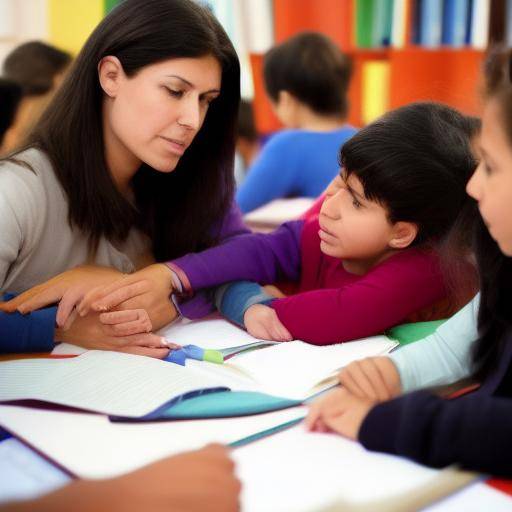
- Fostering a supportive environment: Creating an environment in which children feel safe to face challenges and make mistakes, promoting acceptance and learning from experience.
- Teaching emotional regulation skills: Helping children manage emotions associated with challenges and failure, promoting resilience and persistence.
Examples of Practical Application
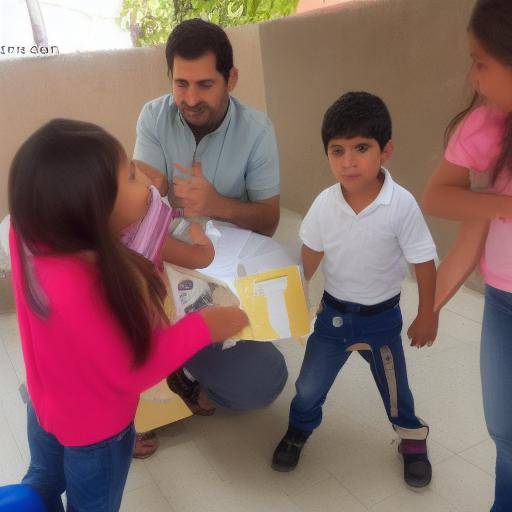
To illustrate the effective application of resources and strategies to develop problem solving skills in children, it is useful to present concrete examples. Real case studies, both in educational settings and at home, can provide valuable insights on the effectiveness of different approaches and tools.
Conclusion
The development of problem solving skills in children is fundamental to their personal and academic growth. Through a variety of resources, educational strategies, interactive tools, and an evaluation of the game in learning, it is possible to effectively promote these skills in children. However, the common challenges that arise in this process should also be addressed, providing support, constructive feedback and teaching emotional regulation skills. By providing an environment enriched with effective tools and resources, you can boost the development of problem solving skills that will prepare children to successfully face the present and future challenges.
Frequently asked questions
What is the importance of developing problem solving skills in children?
Developing problem solving skills in children is crucial, as it allows them to face challenges, make informed decisions and develop a proactive and resilient mentality, preparing them for academic and personal success.
How can I encourage troubleshooting in learning my children?
You can encourage troubleshooting in your children by providing stimulating learning environments, using interactive games and tools, and supporting divergent thinking and perseverance.
What are the common challenges in developing problem solving skills in children?
Some common challenges include lack of motivation, fear of failure and a fixed mentality rather than a growing mentality. These challenges can be addressed through constructive feedback, an environment of support, and teaching emotional regulation skills.
How can I identify effective resources to promote problem solving in children?
You can identify effective resources to promote problem solving in children by seeking interactive educational tools, games that promote critical thinking, and educational strategies based on STEM projects and approaches.
What is the role of the game in developing problem solving skills in children?
The game, both structured and informal, plays a key role in the development of problem solving skills in children, as it provides opportunities to explore, experience and face challenges in a playful and natural way.
Why is it important to address the challenges in developing problem solving skills in children?
Addressing challenges in developing problem-solving skills in children is crucial to ensuring that they receive the necessary support to overcome obstacles, learn from experience and develop a positive attitude towards challenges.
Concluding, the development of problem solving skills in children is essential for their growth and success in life. By providing effective resources, educational strategies that promote problem solving, and a supportive environment, we can prepare children to face challenges effectively and develop a proactive and resilient mentality.