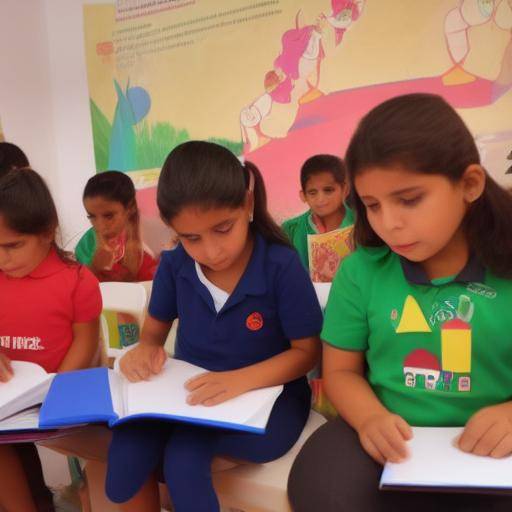
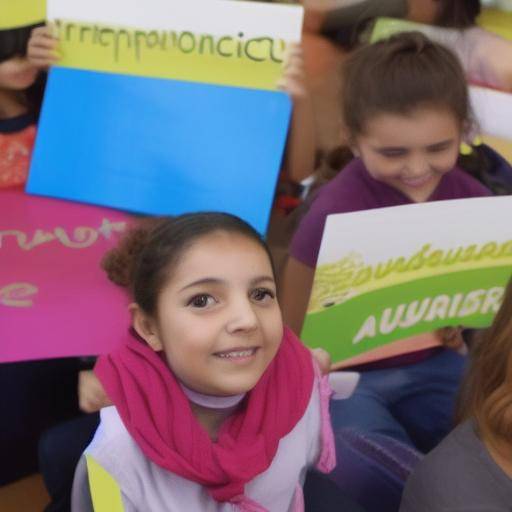
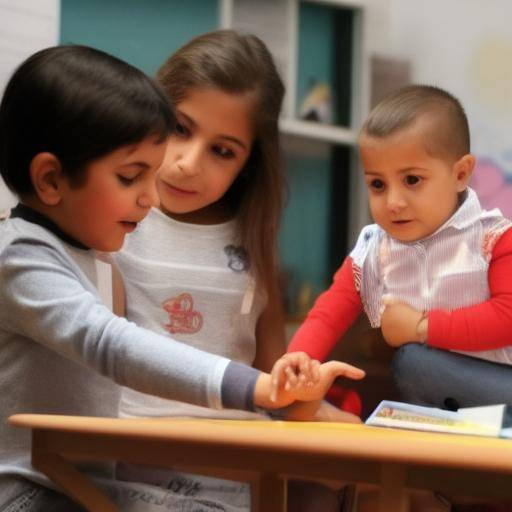
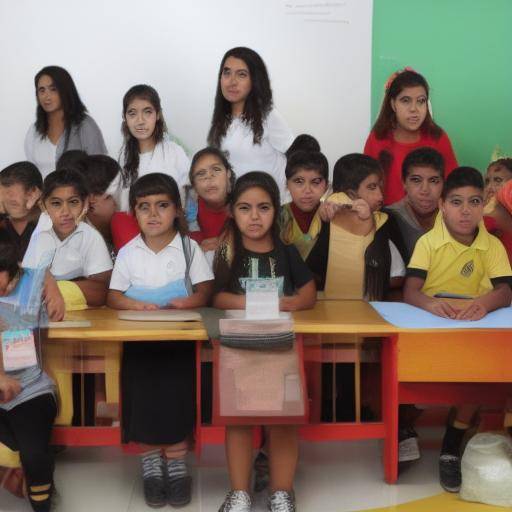
Empathy, the ability to understand and share other people's feelings, is an essential quality for personal development and interpersonal relationships. In the school environment, fostering empathy in teams can contribute significantly to emotional well-being and academic performance. In this article, we will explore the resources available to develop empathy in school teams, including effective strategies, tools and approaches. We will discover the importance of this skill in the educational context, analyze its positive impact on the school environment and provide practical advice for its implementation. Join us on this journey towards building an empathic and collaborative school environment!
Introduction
The development of empathy in school teams is critical to promoting an inclusive and compassionate environment. This ability not only strengthens relations among team members, but also positively influences the school climate, conflict resolution and academic performance. In this context, it is crucial to identify and apply effective resources that promote empathy, both in the classroom and in extracurricular activities. Throughout this article, we will explore various strategies, tools and approaches that can enhance the development of empathy in school settings, thus creating a more comprehensive and united educational community.
History and Background
The concept of empathy has been studied and reflected throughout history, influencing many fields, from psychology to education. From its first references to ancient philosophy to its integration into modern psychological theories, empathy has evolved as a fundamental skill in human understanding. We will explore their origins, key figures in their conceptualization and how their understanding has evolved over time, with special emphasis on their application in educational environments.
Deep analysis
Within a school team, empathy can generate many benefits, such as strengthening group cohesion, improving communication and fostering an inclusive climate. However, it also faces challenges, such as the diversity of personalities and experiences. We will analyze these aspects and explore practical tools and strategies to effectively cultivate empathy, addressing both its benefits and the obstacles to overcome.
Comprehensive review
In this section, we will explore in detail how empathy is applied in school settings. We will analyze case studies, best practices and opinions of experts in the field of education to provide a complete vision of their effective implementation, as well as their positive consequences.
Comparative analysis
We compare and contrast different resources, strategies and approaches to promote empathy in school teams. Through concrete examples and scenarios, we will examine how these resources can influence the development of empathy, highlighting their similarities and differences, and explore how they can complement each other.
Practical Tips and Accessible Advice
We will provide practical advice and actionable advice to implement effective resources that promote the development of empathy in school teams. Through step-by-step guides and detailed explanations, we will offer proven tools and strategies that can be successfully implemented in educational settings.
Industry Perspectives and Expert Reviews
We will bring together valuable insights from educational industry experts, offering a detailed analysis of their ideas and predictions for the future of the development of empathy in school teams. We will explore the potential impact of these perspectives and reflect on their practical relevance in educational settings.
Case Studies and Real Life Applications
Through detailed study cases, we will examine practical resource applications to promote empathy in school teams. We will analyse the results and lessons learned to understand the effectiveness and relevance of these resources in educational settings, providing concrete examples of different industries and contexts.
Future Trends and Predictions
We will discuss emerging trends related to the development of empathy in school teams and offer future predictions based on current data and expert opinions. We will explore both the potential challenges and the opportunities that could arise on the horizon, providing a clear view of the evolutionary panorama of empathy in school environments.
Conclusion
In short, the development of empathy in school teams is critical to promoting a compassionate, inclusive and collaborative school environment. By exploring available resources and their potential impact, we have identified effective strategies and tools that can significantly improve the dynamics and performance of school teams. Continue to strengthen empathy in educational environments represents an invaluable opportunity to promote the emotional well-being and academic performance of students, as well as to cultivate future generations of empathic and compassionate individuals.
Frequently asked questions
1. Why is it important to develop empathy in school teams?
The development of empathy in school teams is crucial because it promotes an inclusive environment, improves communication and strengthens interpersonal relationships. In addition, it promotes emotional well-being and contributes to the development of life-saving social skills.
2. What are some common challenges in fostering empathy in school settings?
Some common challenges include the diversity of personalities and experiences in the classroom, the resistance to change and the need for resources and strategies adapted to different ages and educational contexts.
3. What resources and tools are effective in developing empathy in school teams?
Various resources and tools can be effective, such as group activities that foster mutual understanding, mentoring programs among students and the integration of teaching emotional skills in the curriculum.
4. How can teachers actively promote the development of empathy in the classroom?
Teachers can promote the development of classroom empathy by teaching social skills, resolving conflicts empathicly and fostering a safe environment for emotional expression.
5. What impact can the development of empathy in school teams have on academic performance?
The development of empathy can have a positive impact on academic performance by improving teamwork dynamics, collaborative problem resolution and intrinsic motivation of students.
6. What are some effective strategies to overcome lack of empathy in school settings?
Some effective strategies include the promotion of active listening, the narration of stories that encourage empathy, the model of empathic behaviors by educational staff and the creation of safe spaces for the emotional expression of students.
In conclusion, the development of empathy in school teams is a valuable and significant company that can positively influence the school community and the lives of students. In identifying, understanding and implementing effective resources, educators and school leaders have the opportunity to cultivate an empathic environment that promotes the emotional well-being, effective collaboration and personal growth of students on their educational journey.
Resources:
- American Psychology Association - Empathy Development
- Edutopia - Fostering Empathy at School
- Unicef - Guide to Activities for the Development of Child Empathy
In this extensive article, we have thoroughly explored resources to develop empathy in school teams, from their history and background to their current and future impact on educational environments. In highlighting the importance of empathy in the school context and offering practical advice for its implementation, this article aims to inform, inspire and train educators, school leaders and parents to foster an empathic and positive school environment.
With a deeper understanding of these resources, we hope that readers will feel equipped to address the challenges of education with an empathy-centred perspective, thus promoting emotional well-being and academic success for all students.