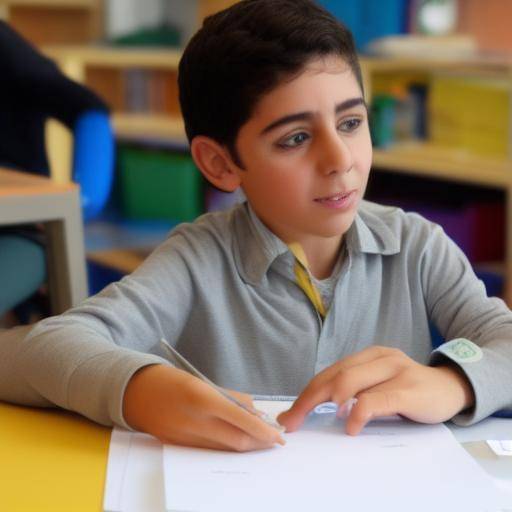
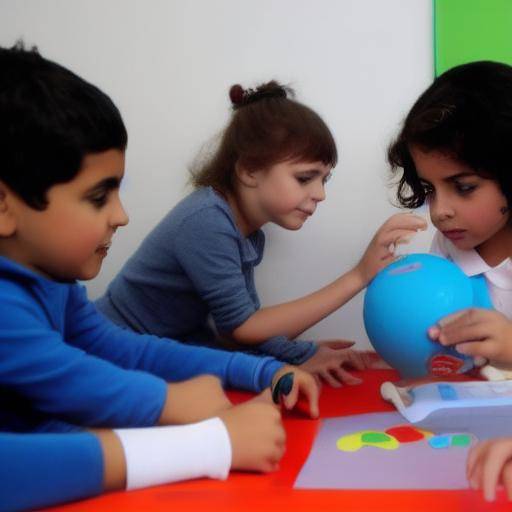
In education, active and participatory teaching methods have gained relevance in recent years. These approaches seek to promote the active participation of students, promoting more meaningful and effective learning. In this article, we will explore in depth the active teaching methods, their historical evolution, detailed analysis, comparisons, practical advice, and future trends.
Introduction
The world of education has experienced a significant change with the adoption of active and participatory teaching methods. These approaches have proven to be highly effective in the commitment and skills development of students. In this article, we will thoroughly explore the impact, benefits and best practices associated with these methods, as well as their influence on the future of education.
History and Background
Active teaching methods have their roots in the 20th century educational theories, such as the constructivist approach proposed by Jean Piaget and Lev Vygotsky. These theories predicted that students are not merely information recipients, but are active participants in their own learning process.
In the past, education used to be based on more traditional methods, where the teacher was the main figure of authority and students had a passive role in the learning process. However, with the evolution of educational theories and the advancement of learning psychology, the importance of actively engaging students in their own learning was recognized.
At present, active teaching methods have expanded through approaches such as problem-based learning, collaborative learning, project learning, among others.
Analysis in Deep
Active teaching methods offer a number of benefits compared to traditional methods. These include increased knowledge retention, the development of critical thinking skills, the promotion of creativity, the strengthening of intrinsic motivation and increased participation of students.
However, they also present challenges, such as the need for more detailed planning by educators, effective classroom time management, and adaptation to diverse learning styles.
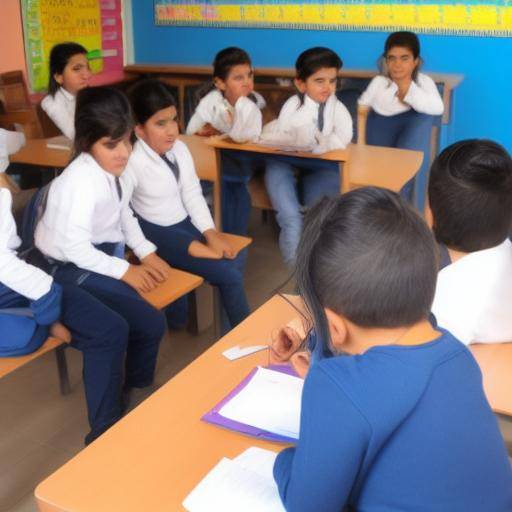
It is important to note that the effective implementation of these methods requires a change in the traditional dynamics of teaching, where the role of the teacher becomes that of a learning facilitator, providing guidance and support to students in their research and discovery process.
Comprehensive review
Active teaching methods find varied applications in different educational contexts and disciplines. From science teaching to artistic education, these approaches offer flexibility and adaptability to enhance student learning.
It is essential to highlight the importance of an inclusive approach in using these methods, considering the individual needs and capacities of students. The differentiation and customization of learning are key elements to ensure that all students can participate actively and gain significant benefits from these approaches.
Comparative analysis
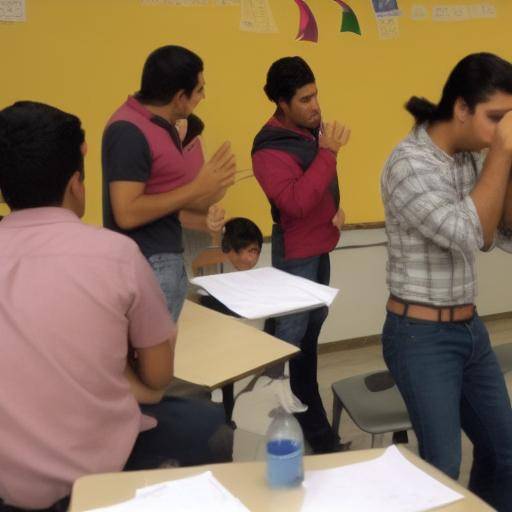
A detailed comparison between active methods, traditional teaching and participatory approaches reveals the fundamental differences in classroom dynamics, student participation, and learning outcomes. While traditional teaching tends to focus on unidirectional knowledge transmission, active and participatory methods foster interaction, debate and collective knowledge construction.
Practical Tips and Accessible Recommendations
To successfully implement active teaching methods, it is essential to have detailed and structured planning that includes clear objectives, adequate resources, and effective evaluation strategies. In addition, the constant training and updating of the teacher is crucial to being aware of the innovative best practices and methodologies that can enrich the educational process.
Some practical tips for the effective implementation of these methods include:
- Promote student autonomy and responsibility in their own learning.
- Integrate educational technologies that facilitate interactivity and access to varied resources.
- Promote the diversity of opinions and perspectives in the classroom to enrich debate and critical thinking.
- Provide constructive and formative feedback that boosts student growth and development.
Perceptions of Industry and Expert Reviews
Expert opinions in the field of education highlight the importance of adapting to the changing needs of society and preparing students to face future challenges. The integration of active and participatory methods is considered a key element in fostering relevant skills, such as teamwork, problem solving and effective communication.
Case Studies and Practical Applications
Case studies offer valuable insights on the effective implementation of active teaching methods in different educational settings. From primary schools to higher education institutions, these approaches have demonstrated a tangible impact on the learning experience of students and their academic results.
Future Trends and Predictions
As education evolves towards a more student-centred approach, active and participatory methods are expected to continue to become more relevant. The integration of emerging technologies, the approach to skills of the twenty-first century, and adaptation to the diversity of students are aspects that are expected to mark the future of education.
Conclusions
Active and participatory teaching methods represent a significant change in the way the education process is conceived and carried out. Their positive impact on the integral development of students and their ability to foster meaningful and lasting learning places them as a fundamental pillar in the evolution of education.
Frequently asked questions
What are the key benefits of active teaching methods?
The main benefits include increased knowledge retention, the development of critical thinking skills, the intrinsic motivation of students and active participation in the learning process.
How can you overcome the initial resistance to the implementation of active methods in the classroom?
The resistance to changes in the educational methodology is common. Providing clear benefits information, providing planning support and sharing successful examples often contribute to overcoming resistance.
What is the role of the teacher in active methods?
The teacher acts as a facilitator of learning, providing guidance, support and feedback to students, fostering autonomy and responsibility in learning.
How can active methods adapt to diverse educational environments?
Active methods are flexible and can be adapted to different educational contexts. Personalization of learning and consideration of the diversity of students are key aspects in their implementation.
What is the importance of evaluation in active teaching methods?
The evaluation in these methods should be comprehensive and formative, focusing on feedback that promotes student growth and development.
What role do educational technologies play in the implementation of active methods?
Educational technologies can facilitate interactivity, access to varied resources and follow-up to student progress, thereby enhancing the effective implementation of active teaching methods.
In short, active and participatory teaching methods represent significant developments in the educational approach, fostering more meaningful, participatory and effective learning. Their positive impact on the development of key skills and competencies for the twenty-first century places them as fundamental elements for the future of education.
With this extensive article, I discussed in detail the topic of active and participatory methods in teaching, from their history and background to their current impact and future trends. I included practical advice, expert opinions, case studies and answers to frequently asked questions to provide a complete and effective view of the topic.