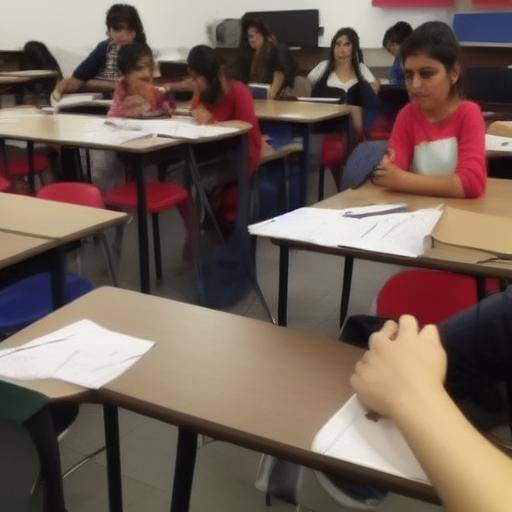
Older adults deserve access to meaningful learning opportunities that allow them to continue growing intellectually and enjoying a full life. In this article, we will explore the importance of adult education, the advanced learning process and the specific opportunities available to older adults. From its history and evolution to current benefits, through practical advice and future predictions, this comprehensive guide aims to provide valuable and understandable information for all readers interested in this topic.
Introduction
Learning is a continuous process that knows no age limits. Adult education and the promotion of learning in the elderly are fundamental to personal, social and cognitive development. As society increasingly recognizes the value and contribution of older persons, learning opportunities tailored to their needs and desires are proliferating. In this article, we will explore this topic in depth, from its historical origins to the latest trends and future projections.
History and Background
Adult education has evolved significantly throughout history, becoming a limited activity to certain sectors of society to become a fundamental right. From popular education movements in the nineteenth century to the creation of adult education programmes worldwide, the history of adult education is full of important milestones that reflect its growing importance in the social and educational context.
In the specific case of older adults, the assessment of their learning capacity has experienced a radical change in recent decades. They were previously considered only as caregivers, but their potential to continue to actively learn and contribute to society is now recognized. This transformation has led to the development of programs specifically designed to meet the learning needs of older people, from academic courses to continuous learning options in various fields of interest.
Analysis in Deep
Learning in the elderly carries a number of benefits both individually and collectively. Studies and practical experiences show that continuous learning in advanced ages stimulates brain activity, strengthens self-esteem and promotes social participation. Despite these benefits, there are challenges inherent in this process, such as adaptation to new educational technologies or reconciliation of family responsibilities.
Older learning goes beyond the acquisition of theoretical knowledge; it also covers the development of practical skills, training in new technologies and the exploration of new forms of artistic expression. This holistic approach to learning for older adults offers fertile ground for personal growth and social integration, while contributing significantly to the vitality and cultural wealth of communities.
Comprehensive review
Adult Education and Older Learning apply to a wide variety of contexts, from formal academic programs to creative workshops and intergenerational learning experiences. Each approach has its own advantages and challenges, and it is essential to evaluate the impact and effectiveness of each one in order to continuously promote improvement and innovation in this field.
Compared to other stages of life, learning in the elderly presents unique challenges and opportunities that require a specialized approach adapted to the needs and capacities of older adults. Through a detailed analysis of best practices and innovative approaches, it is possible to identify the most effective methods to foster a stimulating and enriching learning environment for this demographic group.
Comparative analysis
Older learning shares significant similarities and differences with other adult education contexts. While overall learning objectives can be similar, the specific needs of older adults require special adaptations in terms of content, methodologies and learning environments. Understanding these distinctions is crucial to ensuring that education opportunities for older adults are truly inclusive and effective.
Practical Tips and Accessible Advice
For older adults who wish to embark on a learning journey, it is essential to have the resources and support necessary to do so successfully. From the use of online learning platforms designed specifically for older adults to participation in face-to-face study groups, there are numerous strategies and tools that can facilitate and enrich the learning process in the older age.
- Technology can play a crucial role in accessing learning opportunities for older adults, and familiarizing with electronic devices and educational applications can open up a world of possibilities.
- Participation in intergenerational learning activities can enrich the educational experience while fostering the integration and sharing of knowledge between different age groups.
Industry Perspectives and Expert Reviews
Experts on adult education and active ageing provide a valuable insight into current and future trends in the field of learning at the seniority. Their views and assessments provide a solid basis for understanding the current state and future development possibilities in this area. The incorporation of these perspectives in the planning and implementation of educational programmes for older adults can contribute significantly to the design of enriching and sustainable learning experiences.
Case Studies and Real Life Applications
Practical case studies vividly illustrate how learning opportunities can transform the lives of older adults, showing concrete examples of overcoming, personal accomplishment and contribution to society. From learning new working skills to exploring culture and arts, case studies reveal the transformative power of learning in the older age.
Future Trends and Predictions
The future of third-age learning is promising, with technological advances and social changes that are opening up new possibilities for the educational participation of older adults. From the expansion of online education programs specifically designed for this demographic group to the creation of intergenerational learning spaces, current trends point to greater diversity and accessibility in learning opportunities for older adults.
Conclusion
In conclusion, education for older adults and apprenticeship over the age of older persons are key to promoting the participation, integration and well-being of older persons in society. The individual and collective benefits of continuous learning at advanced ages are undeniable, and it is crucial to continue to foster and strengthen education opportunities for older adults through innovation and adaptation.
Frequently asked questions
1. What are the benefits of learning for older adults?
Older learning can stimulate brain activity, strengthen self-esteem, promote social participation and contribute to active and healthy ageing.
2. What challenges can older adults face when participating in adult education programs?
Older adults can face challenges related to adaptation to new educational technologies, reconciliation of family responsibilities and physical accessibility to educational spaces.
3. What specific learning opportunities exist for older adults?
There are various learning opportunities specifically designed for older adults, ranging from formal academic programs to creative workshops, intergenerational activities and access to online learning platforms.
4. What is the role of technology in learning for older adults?
Technology can play a crucial role in providing access to learning opportunities for older adults, facilitating participation in online educational programs and fostering connection with other people and educational resources.
5. What strategies can be used to facilitate learning in the elderly?
Some strategies include participation in intergenerational learning activities, familiarization with electronic devices and educational applications designed for older adults, and adaptation of educational methodologies to meet the specific needs of this demographic group.
6. What are future trends in learning for older adults?
Future trends include greater diversity and accessibility in learning opportunities for older adults, the development of online education programs specifically designed for this demographic group, and the expansion of intergenerational learning spaces that foster integration and knowledge sharing among different age groups.
With these detailed answers, it is clear that learning in the elderly is an invaluable tool to promote active ageing and the well-being of older people.
Conclusion
Ultimately, education for older adults and apprenticeship in the elderly are essential to fostering active, healthy and rewarding ageing. By providing meaningful learning and development opportunities, it is possible to strengthen the role of older adults as active members and contributors to society, enriching both their individual lives and the social fabric in general.
In short, learning for older adults is not only desirable, but also essential for promoting an inclusive and supportive society. Further on, it is crucial to continue to foster and strengthen these learning opportunities, recognizing and appreciating the potential and continued contribution of older adults to society.
When they are given the opportunity to continue learning and growing, older adults not only enrich their own lives, but also contribute significantly to the well-being and vitality of entire communities and societies.