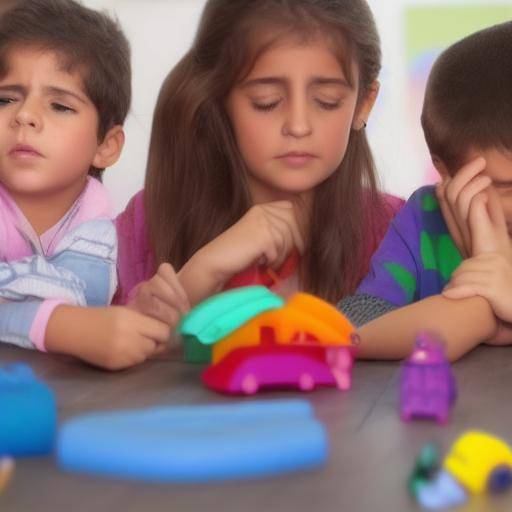
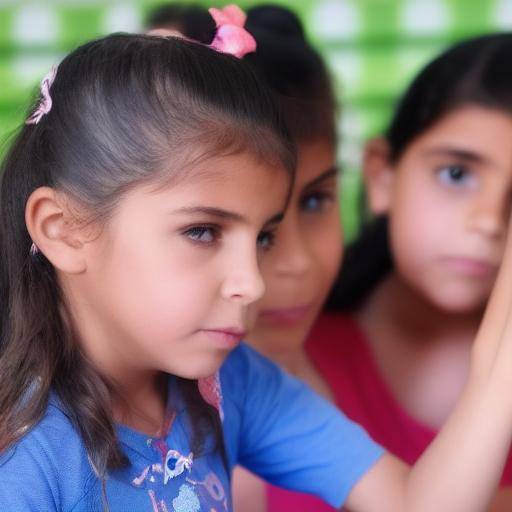
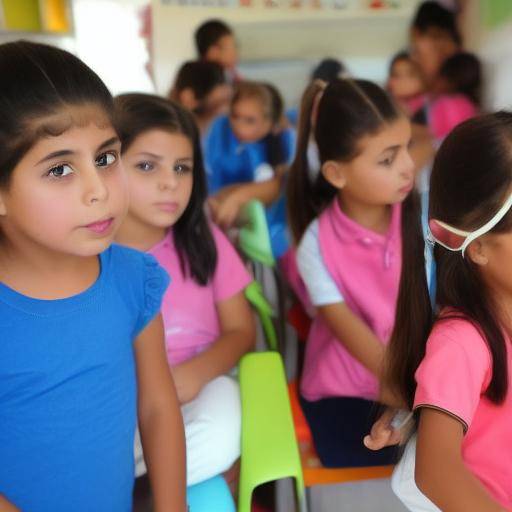
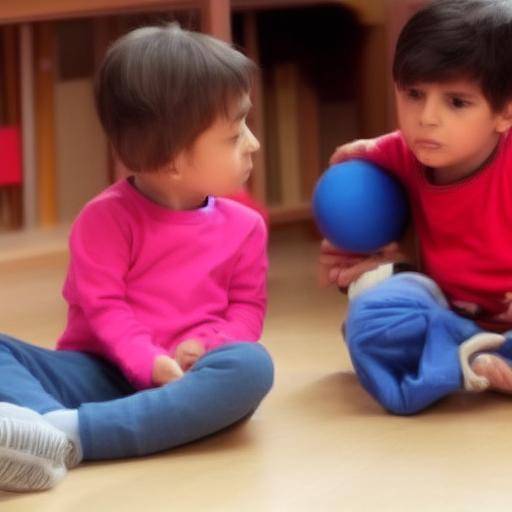
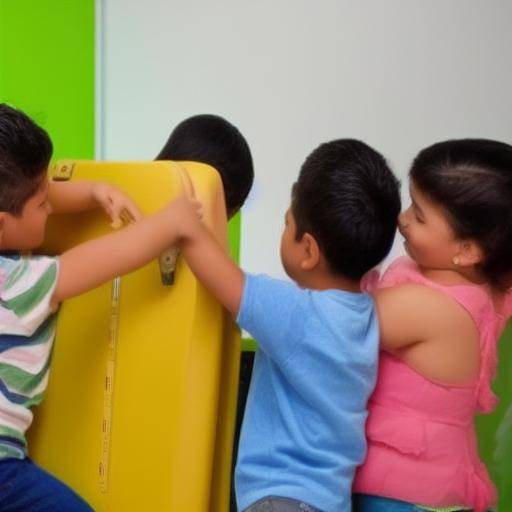
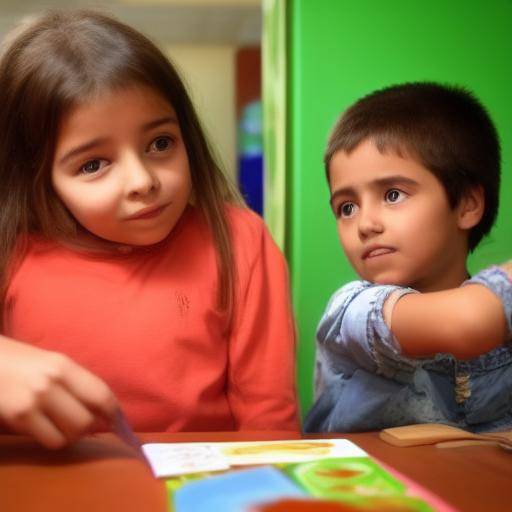
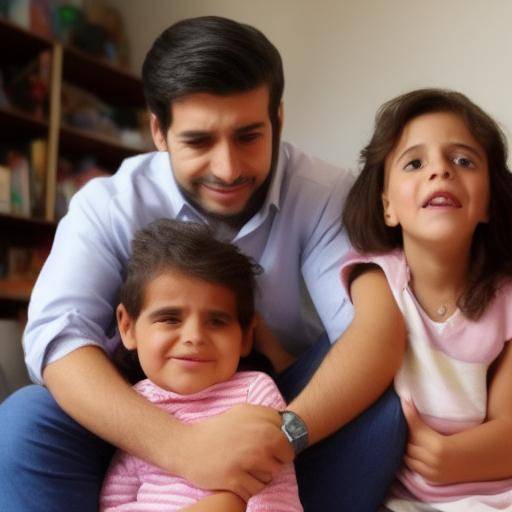
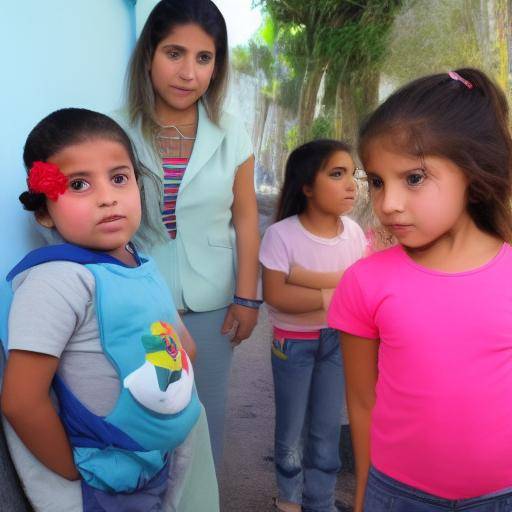
Non-verbal language in children is a form of vital communication that is often overlooked. The ability to interpret non-verbal communication in children is fundamental to understanding their needs, emotions and experiences. In this article, we will explore in detail how to interpret non-verbal communication in children, which will allow us to develop more meaningful and effective relationships with them.
Introduction
Children, like adults, use a wide range of non-verbal signals to express themselves and communicate with the world around them. The interpretation of these signals can provide valuable information about their emotional well-being, desires and interactions with others. In this article, we will learn to decipher these signs, which will allow us to better understand children and strengthen our relationships with them.
History and Background
Understanding non-verbal communication in children requires deep knowledge of their historical and anthropological evolution. Throughout history, the interpretation of facial expressions, gestures, body language and other forms of non-verbal communication has been fundamental to human interaction. From the first studies on the subject, carried out by pioneers such as Charles Darwin, to the current advances in the psychology of development, the importance of non-verbal communication in childhood has been recognized in various ways.
Non-verbal communication has been crucial in developing John Bowlby's theory of attachment, as well as in understanding developmental disorders such as autism. The ability to interpret non-verbal signals in children has been instrumental in identifying and treating various emotional and social needs throughout history.
Analysis in Deep
The in-depth analysis of non-verbal communication in children allows us to understand the many advantages of this ability. The ability to interpret non-verbal signals in children not only facilitates the early detection of possible emotional or social difficulties, but also enables us to foster stronger and more connected relationships with them. Through studies and concrete examples, we will explore how the interpretation of non-verbal communication in children can enrich both their lives and ours.
Full review
The complete examination of the interpretation of non-verbal communication in children will lead us to explore various practical applications and relevant case studies. In examining both the positive aspects and the challenges associated with non-verbal communication in children, we will be able to identify best practices for promoting healthy and nutritious relationships with children. Through a detailed analysis of cases and examples, as well as the integration of expert opinions, we will obtain a complete view of the interpretation of non-verbal communication in the child context.
Comparative analysis
The comparative analysis of non-verbal interpretation, relationships and communication in the child context will allow us to distinguish similarities, differences and possible synergies between these fundamental aspects. By understanding how these elements interact and complement each other, we can perfect our skills to interpret non-verbal communication in children, thus fostering more meaningful and effective relationships.
Practical Tips and Accessible Recommendations
The implementation of practical advice and actionable recommendations will facilitate the understanding and implementation of skills to interpret non-verbal communication in children. Through step-by-step guides and concrete examples, readers will be able to integrate these skills into their daily lives, thus promoting greater understanding and connection with children.
Industry Perspectives and Expert Reviews
The perspectives of industry and the views of experts in the field of non-verbal communication interpretation in children will provide a profound insight into the evolution and future implications of this skill. With analysis of trends and forecasts, as well as interviews and expert reflections, we will be able to anticipate the potential impact of the interpretation of non-verbal communication in childhood in the years to come.
Case Studies and Real Life Applications
By including detailed case studies illustrating practical applications, this article will provide a concrete understanding of how to interpret non-verbal communication in children can influence their development, well-being and relationships. Through the analysis of results and lessons learned, as well as examples of different industries or contexts, readers will get a holistic perspective on the relevance and impact of this skill.
Future Trends and Predictions
Finally, in discussing emerging trends related to the interpretation of non-verbal communication in children, this article will provide future predictions based on current data and expert opinions. By exploring potential challenges and opportunities, readers will get an informed view of the changing picture of the interpretation of non-verbal communication in childhood.
Conclusion
In short, the interpretation of non-verbal communication in children is a crucial skill that allows us to understand their needs, emotions and experiences more deeply. By developing this capacity, we not only enrich our relationships with them, but also contribute to their emotional and social well-being. This article has provided an integral view of the interpretation of non-verbal communication in children, highlighting its importance and applications in various areas.
Frequently asked questions
Why is it important to interpret non-verbal communication in children?
The interpretation of non-verbal communication in children is important because it allows us to understand their needs, emotions and experiences beyond words. This ability facilitates the development of meaningful and effective relationships, as well as the early detection of possible emotional or social difficulties.
What non-verbal signs should we observe in children?
In interpreting non-verbal communication in children, it is crucial to observe signs such as facial expressions, gestures, body language, voice tone and visual contact. These signals provide valuable clues to your emotions, needs and emotional state.
How can we improve our ability to interpret non-verbal communication in children?
Improved ability to interpret non-verbal communication in children requires practice, attentive observation and empathy. In addition, education on child development and non-verbal language psychology can be beneficial.
Are there cultural differences in non-verbal communication in children?
Yes, cultural differences can influence non-verbal communication on children. It is important to be aware of these differences and to consider the cultural context in interpreting non-verbal signs in children.
What are the benefits of interpreting non-verbal communication in children?
The interpretation of non-verbal communication in children can promote stronger and more connected relationships, facilitate the early detection of possible emotional or social difficulties, and foster greater understanding and connection with them.
How can we apply the interpretation of non-verbal communication in children in educational settings?
In educational settings, the interpretation of non-verbal communication in children can be applied to better understand their emotional needs and adapt educational strategies that promote a more comprehensive and stimulating learning environment.
In short, understanding non-verbal communication in children is essential to developing empathic and effective relationships with them. By recognizing and interpreting their non-verbal signals, we can meet their emotional needs, foster an environment of trust and understanding, and promote their integral development.
With a conscious approach to interpreting non-verbal communication in children, we can strengthen emotional ties and facilitate their positive development.