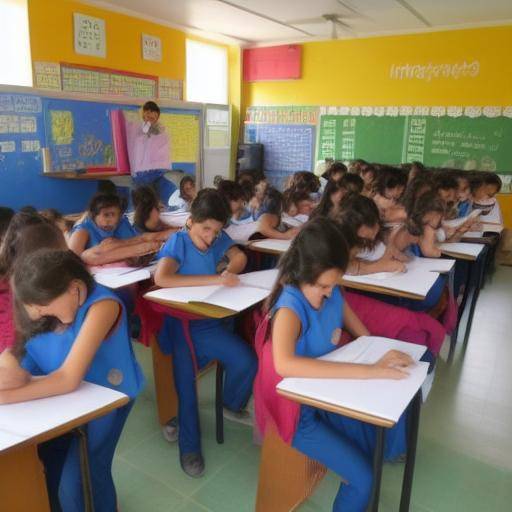
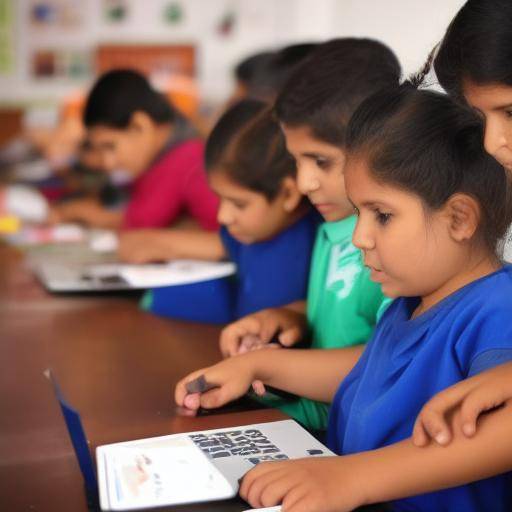
At present, inclusive and diverse education represents a fundamental pillar in the construction of a just and equitable society. The implementation of effective educational strategies is essential to ensuring learning opportunities for all, regardless of their differences. In this article, we will explore in depth key strategies to promote inclusive and diverse education, analyzing its importance, challenges and future trends.
Introduction
Inclusive and diverse education refers to an educational approach that seeks to meet the individual needs of all students, including those with disabilities, exceptional talents, various linguistic skills, cultural differences and other features that can generate learning barriers. By promoting active participation, equity and respect for diversity, an educational environment is fostered in which each student feels valued and empowered.
In this article, we will explore the essential strategies to promote inclusive and diverse education, addressing both the successes and the challenges associated with its implementation. From a historical review to an analysis of current and future trends, this content will provide a holistic view of how to improve inclusion and diversity in the educational field.
History and Background
The search for inclusive and diverse education has its roots in social movements that fight for equal opportunities and respect for diversity. Since the Declaration of Salamanca in 1994, which promoted inclusive education as a fundamental right, up to current legislation in different countries, significant progress has been made in the recognition and promotion of diversity in the educational field.
Throughout history, prominent advocates for educational inclusion have advocated a paradigm shift in the way education is conceived and practiced. The evolution of educational policies, the development of diversity-centred pedagogical methodologies and growing social awareness have contributed to a gradual shift towards a more inclusive and diverse educational model.
Currently, inclusion and diversity remain central themes on the global educational agenda, promoting a continuous dialogue on the equity, access and quality of education for all students.
Analysis in Deep
The implementation of effective strategies for inclusive and diverse education entails a number of significant benefits. These strategies not only allow students to develop a sense of belonging and acceptance, but also promote the development of important social and cognitive skills. At the same time, they face challenges related to teacher training, resource adequacy and overcoming conceptual barriers.
In carefully analyzing strategies for inclusive and diverse education, it is crucial to consider both the successes achieved and the remaining challenges. The collection of data, case studies and concrete examples will clearly and forcefully illustrate the importance of implementing inclusive strategies in the field of education.
Comprehensive review
In exploring the practical applications of strategies for inclusive and diverse education, it is essential to identify best practices and more effective approaches. By comparing different methods and approaches, a comprehensive assessment of the positive and negative aspects of each strategy can be provided. This comparison will provide a broader view of possible solutions to the challenges in the educational field.
In addition, in presenting expert opinions and making projections on the future of inclusive and diverse education, readers will be offered a more enriched and realistic perspective on the scope and evolution of these strategies in the future.
Comparative analysis
Combining and contrasting strategies for inclusive and diverse education, it is possible to identify similarities, differences and potential synergies that can enrich the implementation of these strategies in different educational contexts. By providing detailed examples and specific scenarios, the reader will be offered the opportunity to better understand how these strategies can effectively adapt and apply in a variety of environments.
Practical Tips and Accessible Advice
In order to provide added value to readers interested in implementing strategies for inclusive and diverse education, practical advice and actionable advice will be offered. Through lists or key points, clear and specific advice will be presented that will enable educators and educational professionals to carry out concrete actions to improve inclusion and diversity in their educational environments.
Perceptions of Industry and Expert Reviews
In order to enrich the content with informed perspectives, perceptions of experts from the educational industry will be collected and presented. In discussing the implications for the future and offering relevant interviews or appointments, the reader will be given a deeper understanding of the practical and theoretical aspects associated with the implementation of strategies for inclusive and diverse education.
Case Studies and Real Life Applications
Detailed case studies will provide concrete examples of practical application strategies for inclusive and diverse education. In analyzing the results and lessons learned, readers will be offered a stronger understanding of how these strategies can positively impact the educational experience of students in different settings.
Future Trends and Predictions
Exploring emerging trends related to strategies for inclusive and diverse education will enable readers to glimpse the future of education in terms of inclusion and diversity. By providing predictions based on current data and expert opinions, an informed view of the challenges and opportunities that will characterize the future of inclusive and diverse education will be provided.
Conclusion
In conclusion, strategies for inclusive and diverse education represent a fundamental pillar in the development of equitable and enriching educational environments. Through the effective implementation of these strategies, it is possible to promote the integral development of all students, promote a sense of community and membership, and prepare future generations to be tolerant and comprehensive global citizens.
Frequently asked questions
**What are the key strategies to promote inclusion in the classroom?**Key strategies to promote classroom inclusion include curriculum differentiation, the use of diverse resources and materials, the creation of collaborative learning environments and teacher training in inclusive practices.
**Why is inclusive and diverse education important?**Inclusive and diverse education is important because it ensures that all students have equal learning opportunities, promotes acceptance and respect for diversity, and prepares students to live in diverse societies.
**What are the most common challenges in implementing strategies for inclusive and diverse education?**Some common challenges include resistance to change, lack of resources and support, insufficient teacher training, and identification and attention to individual student needs.
**What role do families play in promoting inclusive and diverse education?**Families play a key role in supporting and collaborating with school in implementing strategies for inclusive and diverse education, promoting values of inclusiveness and diversity at home, and in holding an open dialogue on the importance of equality and respect for diversity.
**How can educators effectively address the individual needs of students?**Educators can address the individual needs of students through curriculum differentiation, the use of training evaluations, collaboration with other support professionals and open communication with students and their families.
**What are future trends in inclusive and diverse education?**Future trends in inclusive and diverse education include an approach to digital accessibility, the integration of technology to support the diversity of students, and a greater emphasis on collaboration among various educational actors to promote inclusion.
Conclusion
In short, the path to truly inclusive and diverse education depends largely on the effective implementation of strategies that promote participation, respect and equity in education. Through the adoption of inclusive practices and the promotion of diversity, it is possible to build educational environments that nourish the potential of all students, regardless of their differences. This vision of education, rooted in equity and mutual respect, not only enriches educational experience, but also prepares future generations to embrace the diversity inherent in our global society.
In conclusion, strategies for inclusive and diverse education represent a commitment to the equity, justice and comprehensive development of all students, as well as an openness to the diversity that characterizes our contemporary societies. Through the implementation of these strategies, it is possible to take significant steps towards a more inclusive and enriching educational future for all.
Finally, I invite readers to continue to explore and participate in discussions on strategies for inclusive and diverse education, as the commitment to this issue is essential to building more equitable and comprehensive societies.
With this in mind, it is important to remember that inclusive and diverse education is a continuous journey that requires the commitment and collaboration of all educational actors. By continuing to learn, share experiences and seek creative solutions, it is possible to build a more inclusive, diverse and equitable educational future for generations to come.
With these advices and strategies in mind, educators, educational decision makers and parents can play an active role in promoting inclusive and diverse education, giving each student the opportunity to reach their full potential and contribute positively to a diverse and plural world.
By continuing to explore and participate in the dialogue on strategies for inclusive and diverse education, it is possible to build a more inclusive, diverse and equitable educational future for generations to come. Together, we can make inclusive and diverse education a reality in all educational settings!