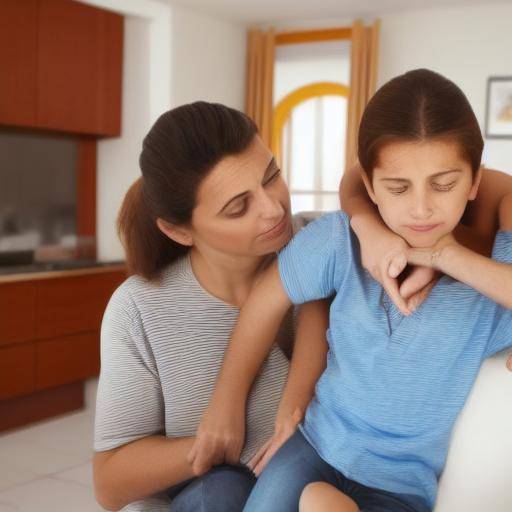
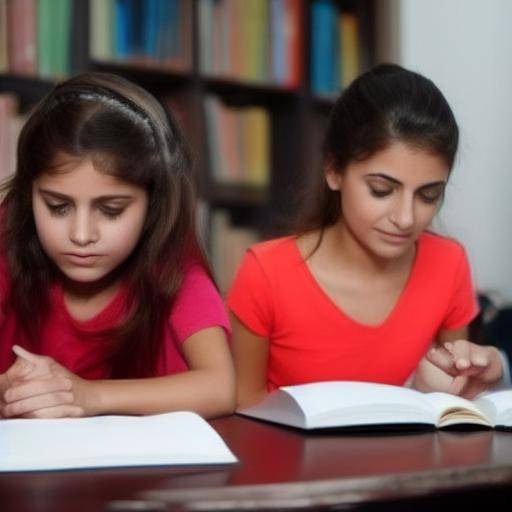
Non-verbal communication, made up of gestures, facial expressions, body postures, voice tone and other elements, plays a fundamental role in our interpersonal relationships. Often, their importance is underestimated compared to verbal communication, but their impact is undeniable. In this article, we will thoroughly explore the significance of non-verbal communication in relationships, from its historical origin to future trends. We will discover how this form of communication moulds our daily interactions, influences the development of relationships and can be effectively employed to improve the connection with others.
Introduction
Non-verbal communication is a powerful tool that transcends the limits of spoken language. Often, facial expressions, visual contact and body language convey significant information that can affect the way others perceive us. The importance of understanding and effectively employing non-verbal communication in our personal and professional relationships cannot be underestimated. In this article, we will explore in detail how non-verbal communication influences the quality and nature of our interpersonal relationships.
History and Background
The history of non-verbal communication dates back to ancient times, where interactions between humans were predominantly marked by gestures, facial expressions and body language. Ancient civilizations used non-verbal communication as a fundamental means of conveying emotions, intentions and meanings. Over time, this form of communication has developed and evolved, being the subject of study and analysis in various disciplines, including psychology, anthropology and sociology.
The understanding of non-verbal communication has experienced significant progress throughout history. From the first studies of non-verbal communication to contemporary research, our knowledge has been expanded on how to effectively interpret and use non-verbal signals in the context of interpersonal relationships. These advances have enabled us to better understand how non-verbal communication influences the formation of impressions, the establishment of confidence and the quality of human interactions.
Deep analysis
Non-verbal communication plays a crucial role in the formation and maintenance of sound relationships. The gestures, facial expressions and other non-verbal aspects are fundamental to expressing emotions, establishing empathic links and transmitting information beyond words. Studies show that much of interpersonal communication is done through non-verbal signals, which underlines its importance in establishing genuine connections and in fostering mutual understanding.
Despite its relevance, non-verbal communication also poses potential challenges and misunderstandings. Different cultural contexts, social norms and individual perceptions can influence the interpretation of non-verbal signals, which underlines the need for deeper and more sensitive understanding. In addition, the misuse of non-verbal communication can lead to conflicts, misunderstandings and deterioration of interpersonal relationships, highlighting the importance of developing non-verbal communication skills that contribute to relational well-being.
Comprehensive review
By effectively implementing non-verbal communication, individuals can enhance their ability to establish sound relationships, strengthen empathy and build mutual trust. The identification and understanding of non-verbal signals provides a significant advantage in various environments, ranging from work to daily interactions. However, it is essential to recognize that non-verbal communication should be integrated in a coherent and authentic manner in the context of interpersonal relations to enhance its impact and value.
Non-verbal communication also plays a key role in conflict resolution, negotiation and conflict management. By observing and understanding non-verbal signals, people can detect the underlying emotions, attitudes and intentions of their interlocutors, enabling them to address problems more effectively and build solutions that reflect a deeper understanding.
Comparative analysis
By comparing the importance of non-verbal communication with verbal communication in relationships, it becomes clear that both form an integral system of human interaction. While verbal communication focuses on words and their explicit meaning, non-verbal communication adds additional layers of information that enrich and complement interaction. The harmonious combination of both forms of communication results in a comprehensive and effective communication that strengthens interpersonal relationships.
Another important aspect to consider is the impact of non-verbal communication on the authenticity and transparency of relations. Since non-verbal signals often reveal involuntary emotions and attitudes, their conscious understanding and use can foster authenticity in interactions, thereby strengthening trust and emotional closeness among the parties involved.
Practical Tips and Accessible Tips
To improve the effectiveness of non-verbal communication in relationships, it is essential to develop the ability to consciously observe, interpret and use non-verbal signals. Some practical tips include:
- Keeping eye contact appropriately to demonstrate interest and attention.
- Use open gestures and smiles to convey openness and disposition.
- Adjust body posture to reflect trust and respect.
- Actively observe the non-verbal signs of others to understand their emotions and perspectives.
These advices, when applied with sensitivity and authenticity, can contribute significantly to improving interpersonal relationships.
Industry Visions and Expert Reviews
According to experts in the field of communication and interpersonal relationships, non-verbal communication plays a crucial role in building solid relationships and developing emotional intelligence. By understanding the importance of non-verbal communication in relationships, individuals can enhance their ability to establish more meaningful connections, effectively resolve conflicts and create enriching relational environments.
In addition, experts highlight the growing relevance of non-verbal communication in the digital sphere, where face-to-face interactions can be limited. Understanding how to effectively employ non-verbal communication in virtual environments becomes increasingly crucial in a world where relationships are often built through digital platforms and communication technologies.
Cases of Study and Applications in Real Life
Cases of study that analyze the application of non-verbal communication in the field of labour relations, couples therapy, leadership and other areas provide concrete examples of how non-verbal signals impact relational dynamics and desired results. These cases demonstrate how non-verbal communication can be used strategically to influence behaviour, build trust and strengthen group cohesion.
Future Trends and Predictions
Future trends in communication and relationships suggest that the importance of non-verbal communication will continue to gain relevance in an increasingly interconnected world. Technological research and developments in areas such as artificial emotional intelligence and increased reality are expected to continue to explore how to expand and enrich non-verbal communication in different contexts. In addition, non-verbal communication skills training is expected to become a crucial element in personal and professional training and development.
Conclusions
In short, non-verbal communication plays a crucial role in the formation and maintenance of gratifying interpersonal relationships. Its impact lies in its ability to enrich human interactions with additional layers of information, and assigned emotions. By consciously understanding and applying non-verbal communication, individuals can enhance authenticity, empathy and emotional connection in their relationships. Its importance transcends the limitations of verbal communication, contributing significantly to the quality and nature of our interpersonal interactions.
Frequently asked questions
1. What is the importance of non-verbal communication in relationships?
Non-verbal communication enriches human interactions by conveying emotions, intentions and meanings beyond words. Their effective understanding and employment strengthen authenticity, empathy and emotional connection in relationships.
2. How can I improve my non-verbal communication in personal and professional relationships?
To improve non-verbal communication, it is essential to develop the ability to consciously observe, interpret and use non-verbal signals. Appropriate visual contact, open gestures and trusted body posture are just a few examples of effective practices.
3. What are some challenges associated with non-verbal communication in relationships?
Different cultural contexts, social norms and individual perceptions can influence the interpretation of non-verbal signals, which poses challenges of understanding and effective employment.
4. Is non-verbal communication equally relevant in digital environments?
Yes, the relevance of non-verbal communication extends to digital environments, where their understanding and effective employment is crucial in building relationships through virtual platforms.
5. How does non-verbal communication influence conflict situations?
Non-verbal communication can help identify underlying emotions and attitudes, thus facilitating conflict resolution more effectively and building solutions that reflect a deeper understanding.
6. What are future trends in non-verbal communication?
Progress is expected in research and non-verbal communication technologies, as well as an emphasis on training in non-verbal communication skills in personal and professional fields.
Non-verbal communication plays a significant role in our lives, shaping the way we relate to others and contributing to the wealth of our human interactions. In understanding its importance, challenges and practical applications, we can enhance its value in strengthening our personal and professional relationships, thus fostering authentic connection and mutual understanding.
With this complete exploration of the importance of non-verbal communication in relationships, it is hoped that readers will be able to incorporate these knowledge into their daily lives, promoting stronger and more meaningful relationships.