Introduction
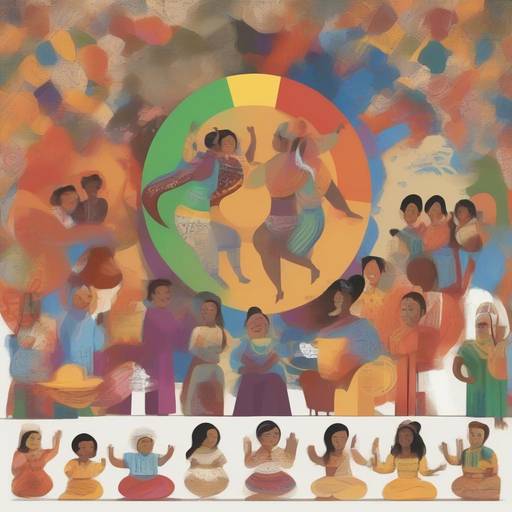
Cultural diversity plays a fundamental role in today's society, especially in personal relationships. As the world becomes increasingly interconnected, the understanding and valuation of cultural differences becomes a crucial element for mutual understanding and harmonious coexistence. In this article, we will explore the importance of cultural diversity in personal relationships, analyzing their impact, benefits, challenges and offering practical advice to foster inclusion and mutual respect.
History and Background
Origins and Historical Significance
Cultural diversity in personal relationships has deep roots in the history of humanity. From old trade routes to migratory movements, cultural interactions have shaped our societies. The wealth of traditions, customs and perspectives has contributed to the expansion of horizons and the creation of more heterogeneous societies.
Significant Evolution and Daughters
Over the centuries, the interaction between different cultures has led to momentous moments, such as the Renaissance, the cultural exchange on the Silk Road, and the mestizaje in the Americas. These events have enriched not only artistic and gastronomic expressions, but also interpersonal dynamics.
Detailed Analysis
Cultural diversity brings multiple benefits to personal relationships. It provides a unique opportunity to learn from the experiences and knowledge of others, promotes empathy and respect, and enriches social life. However, it also poses challenges, such as language barriers, differences in values and misperceptions. It is essential to understand and address these challenges to promote harmonious and enriching coexistence.
Deep analysis
Current Benefits, Challenges and Trends
Cultural diversity in personal relationships provides an opportunity to broaden perspective, promote creativity and improve problem solving. However, lack of understanding and discrimination may hinder the development of sound intercultural relations. The integration of diverse cultural expressions into personal environments can generate enriching and favorable experiences for personal growth.
Statistics, Case Studies and Real Examples
According to recent studies, positive intercultural relations are correlated with higher levels of personal and social satisfaction. For example, in diverse educational and labour environments, there has been a greater exchange of ideas and a greater capacity to solve problems in an innovative way.
Comparative analysis
Cultural diversity in personal relationships varies significantly according to the geographical and cultural context. In some societies, multiculturalism is celebrated and actively promoted, while cultural homogeneity prevails in other settings. Comparing these dynamics allows us to understand how different approaches influence the quality of personal relationships.
Comprehensive review
Applications, Case Studies and Best Practices
Promoting cultural diversity in personal relationships requires a proactive and sensitive approach. Establishing inclusive spaces, promoting equitable participation and fostering openness to dialogue are some of the best practices to foster mutual understanding.
Perspectives of Experts and Future Images
Experts on cultural diversity highlight the importance of intercultural education to cultivate respectful and enriching relationships. They also point to the need to adopt policies that promote equal opportunities and equitable representation in labour and educational settings.
Case Studies and Practical Applications
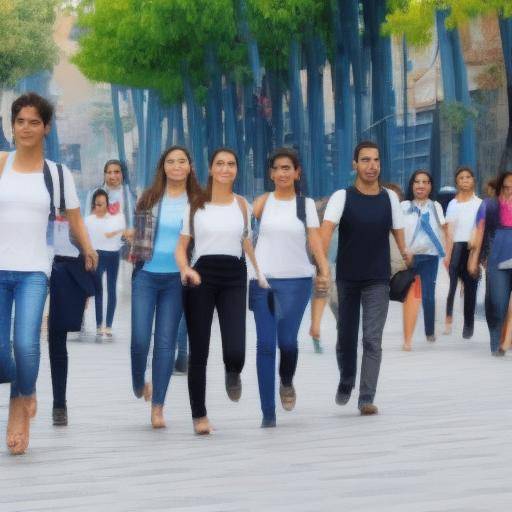
In diverse urban environments, harmonious coexistence among people of different cultural backgrounds is essential for social enrichment and economic growth. Intercultural collaboration promotes innovation and exchange of ideas, which in turn promotes community development and global competitiveness.
Conclusions and FAQs
Conclusions
In conclusion, cultural diversity in personal relationships is an invaluable asset that enriches our lives. In understanding, appreciating and celebrating our differences, we can build more inclusive and resilient societies.
Frequently asked questions
1. Why is cultural diversity important in personal relationships?
Cultural diversity enriches our relationships by broadening our perspectives, fostering mutual respect and promoting creativity.
2. How can I encourage inclusion in my personal relationships?
It promotes open dialogue, shows genuine interest in the cultures of others and rejects prejudices and stereotypes.
3. What are the most common challenges in intercultural relations?
The most common challenges include language barriers, differences in values and misperceptions.
4. What benefits does cultural diversity bring in labor contexts?
Cultural diversity enriches creativity, promotes innovation and improves solving problems in diverse working environments.
5. How can we foster cultural diversity in educational settings?
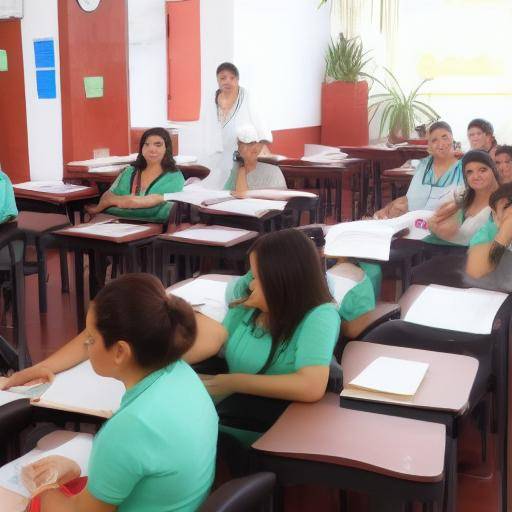
Promoting the inclusion of diverse cultural expressions in educational curricula, promoting equitable participation and celebrating diversity in classrooms.
6. What role do intercultural relations play in building more inclusive societies?
Intercultural relations are fundamental to promoting mutual understanding, empathy and building more inclusive and respectful societies.
Conclusion: Cultural diversity in personal relationships is an inexhaustible source of learning, enrichment and growth. In assessing and celebrating our differences, we cultivate an environment of mutual respect and understanding, laying the foundations for a more inclusive and harmonious future.