Respect, as a fundamental value in human interactions, inevitably has a significant impact on social development. Throughout history, respect has been a pillar of societies, influencing social cohesion, justice, and ethics. In this article, we will thoroughly explore the impact of respect on social development, from its historical origins to its application in contemporary society. We will discover its influence in areas such as education, the workplace, and interpersonal relationships, as well as its intricate relationship with the growth and evolution of communities.
Introduction
Respect has been universally recognized as an essential component in building healthy societies. This article will analyze in detail how respect affects social development, from historical roots to their influence today. At the end of this article, you will understand the importance of respect in the different spheres of social life and its impact on the cohesion and progress of communities.
History and Background
The concept of respect has profound historical roots, dating back to ancient civilizations such as Greek and Roman, where respect was valued to the gods, the elders, and the law. Over the centuries, respect has evolved, influencing social structures and ethical norms in different cultures. This section will explore the historical roots of respect, highlighting crucial moments in its evolution through different times and societies.
Analysis in Deep
Respect has a global impact on areas such as social justice, gender equity, and community coexistence. We will explore how respect for cultural diversity and social inclusion contributes to the development of more cohesive and prosperous societies. Through real statistics and examples, we will analyze how respect, or its absence, has affected social welfare and the integration of various groups into society.
Comprehensive review
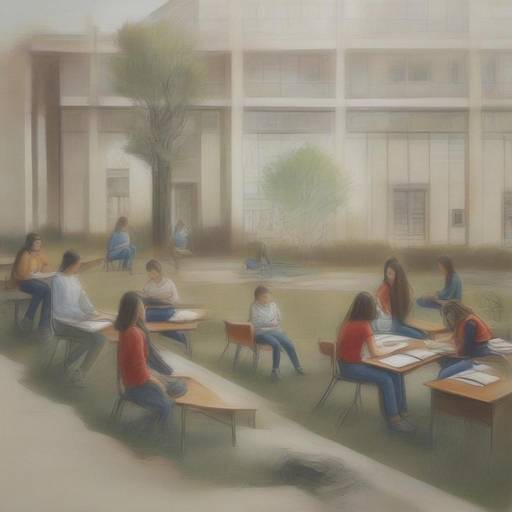
In this section, we will analyze the applications of respect in different contexts, from family and school to the working environment and the public sphere. We will explore good practices and strategies to promote respect in each of these areas, as well as the implications of their absence in social development. We will also investigate various perspectives on how respect can strengthen social cohesion and promote equal opportunities for all individuals.
Comparative analysis
We will compare and contrast how the impact of respect varies from one culture to another, as well as between different social and generational contexts. We will examine the links between respect and other fundamental values in social development, and how these interactions affect the cohesion and stability of communities.
Practical Tips and Accessible Recommendations
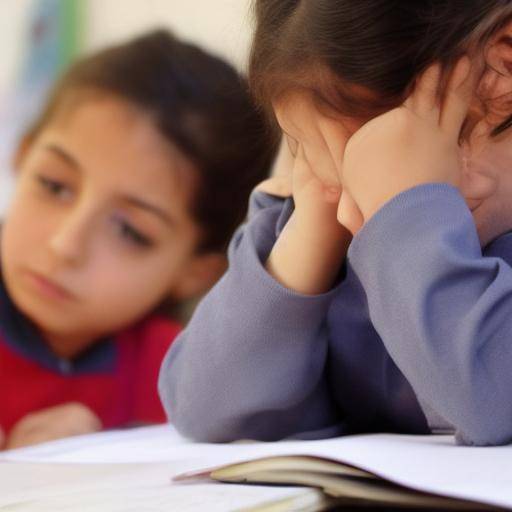
We will provide practical advice to promote respect in various social environments, from strategies to promote respect in the classroom to tactics to create more inclusive and respectful working environments. This section will also include guidelines to address non-compliance with respect, and how to restore harmony in social settings affected by lack of mutual respect.
Industry Perspectives and Expert Reviews
We will gather the opinions and knowledge of experts in sociology, social psychology, and other related fields, to analyze how respect influences social dynamics and community progress. We will also explore current trends in promoting respect in society and how these trends could influence long-term social development.
Case Studies and Real Life Applications
We will illustrate the impact of respect on social development through case studies that demonstrate how respect (or its lack) has shaped communities and societies in different parts of the world. These practical examples will provide a deeper understanding of how respect can be a determining factor in the growth or decline of communities.
Future Trends and Predictions
Finally, we will explore emerging trends related to respect and its impact on social development. Based on current data and expert opinions, we will discuss possible challenges and opportunities that could arise in promoting respect in the future, and how these trends could shape the evolution of societies in the coming years.
Conclusions and FAQs
Conclusions
In short, respect has a significant impact on social development, influencing cohesion, social equity, and the quality of life of communities. Their promotion and practice are fundamental to the creation of socially rewarding and sustainable environments.
Frequently asked questions
How does respect for social coexistence affect?
Respect contributes to social harmony by promoting equality, empathy, and healthy relationships between individuals and groups.
Is it possible to measure the impact of respect on social development?
Although their exact measurement can be complex, different social indicators reveal significant correlations between respect and social progress.
What role do institutions play in promoting respect in society?
Institutions have a crucial role in establishing norms and policies that foster a climate of respect in society, from legislative measures to educational campaigns.
What are the consequences of lack of respect for social development?
Lack of respect can lead to discrimination, social conflict, and fragmentation of communities, hindering social development.
What strategies can be implemented to promote respect in working environments?
The implementation of awareness-raising, training in diversity and inclusion, and mechanisms to address harassment are some of the effective strategies to promote respect in the workplace.
How can individuals contribute to the promotion of respect in society?
Individuals can contribute to promoting respect by practising empathy, advocating for social justice, and being models to follow in their daily interactions.
Concluding, the impact of respect on social development is undeniable. Through their promotion and practice, societies can advance towards a more equitable, cohesive and prosperous future for all their members.
External links:
- The Importance of Respect in the Workplace
- How Respect is Key in Building Diverse and Inclusive Communities
- The Evolution of Respect in Human History
I hope that this article will inform, inspire and motivate positive actions towards the promotion of respect in our communities.