Introduction
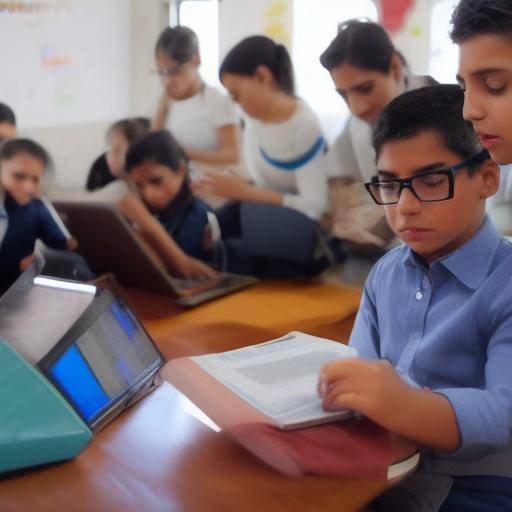
Cultural diversity in the classrooms has been increasing in many countries, which raises the question of how this diversity affects students' school performance. In this article, we will explore in depth the impact of cultural diversity on academic performance. From history and background to in-depth analysis, best practices, future trends and practical advice, this article will provide a comprehensive and nuanced view of this relevant and intriguing topic.
History and Background
Cultural diversity in school environments is a phenomenon that has evolved throughout history. Since racial integration in the US. Until the inclusion of students from different ethnic backgrounds in Europe, cultural diversity in the educational field has been a very important issue. As societies have become increasingly diverse, schools have faced the task of adapting to this reality. This process has been marked by significant milestones, such as the adoption of anti-discrimination laws and the promotion of interculturalism in educational settings.
Analysis in Deep
Cultural diversity in school performance poses both challenges and opportunities. Various studies indicate that cultural diversity can enrich the educational experience by exposing students to different perspectives and ways of thinking. However, it can also present challenges, such as barriers in communication and integration. In this regard, it is crucial to understand in depth the dynamics surrounding cultural diversity in educational settings.
Exhaustive examination
Applying cultural diversity effectively in educational settings is essential for optimizing school performance. Through a detailed analysis of best practices and strategies, we can identify methods that foster an inclusive culture and allow all students to benefit from cultural diversity in the classroom.
Comparative analysis
Compare and contrast the impact of cultural diversity on school performance in different geographic and cultural contexts sheds light on the similarities, differences and possible synergies that can be used to improve the academic results of all students, regardless of their cultural origin.
Tips and Suggested Actions
Providing practical advice and suggested actions is essential to addressing the challenges and taking advantage of the opportunities presented by cultural diversity in educational settings. Providing clear and applicable guidance can help schools create environments in which students of different backgrounds are successful academically and personally.
Industry Visions and Expert Reviews
The opinions and predictions of experts in the field of education and cultural diversity are essential to fully understand how this dynamic will continue to impact school performance in the future. Current trends and future projections present a highlight of the direction that this phenomenon can take in the educational field.
Cases and Applications in Real Life
Practical cases are an effective way of illustrating the concrete implementation of strategies and approaches to managing cultural diversity in classrooms. Through real examples, we can better understand how dynamics are developed and how the specific challenges faced by educators in culturally diverse environments can be addressed.
Future Trends and Predictions
Exploring emerging trends related to cultural diversity in the educational field helps to anticipate possible changes and challenges that may arise. Based on current data and expert opinions, it is possible to project how this dynamic will evolve in the future and prepare to meet the challenges that may arise.
Conclusion
In this article, we have discussed the impact of cultural diversity on school performance from multiple perspectives, including history and background, in-depth analysis, best practices, visions of the future, among other key aspects. Cultural diversity in educational settings is a complex phenomenon that presents both challenges and opportunities, and properly understanding its impact on academic performance is critical to ensuring equitable and quality education for all students.
Frequently asked questions
**1. What is the impact of cultural diversity on school performance?**Cultural diversity can enrich the educational experience by exposing students to different perspectives, promoting critical thinking and fostering creativity. However, it can also present challenges in communication and integration.
**2. How can schools take advantage of cultural diversity to improve school performance?**Schools can implement cultural awareness programmes, promote inclusion and equity, and train teachers in strategies to manage diversity in the classroom.
**3. What challenges do students and educators face in culturally diverse environments?**Students can face barriers in communication, feeling of belonging and discrimination, while educators must adapt their teaching methods and manage intercultural conflicts.
**4. What is the importance of cultural diversity in the globalized educational context?**In an increasingly interconnected world, understanding and appreciating cultural diversity is essential to preparing students to be competent global citizens and to foster social cohesion.
**5. What are the current trends in the management of cultural diversity in educational settings?**Current trends include intercultural approaches to education, cultural immersion programmes and the promotion of multicultural education in public policies.
**6. What can be expected in the future regarding the impact of cultural diversity on school performance?**Cultural diversity is expected to continue to increase in educational settings, which will require a proactive approach to managing diversity and ensuring equity in school performance.
In short, cultural diversity in the educational field has a significant impact on the school performance and learning experience of students. Understanding and adequately addressing cultural diversity is key to creating inclusive and equitable educational environments that promote the success of all students, regardless of their cultural origin. We hope that this article has provided valuable information and clear perspectives on this relevant issue.