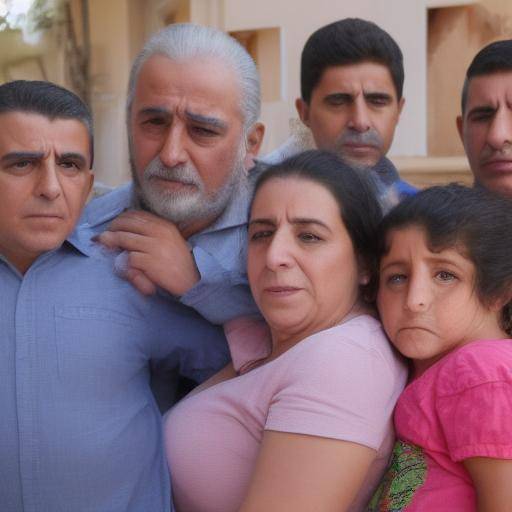
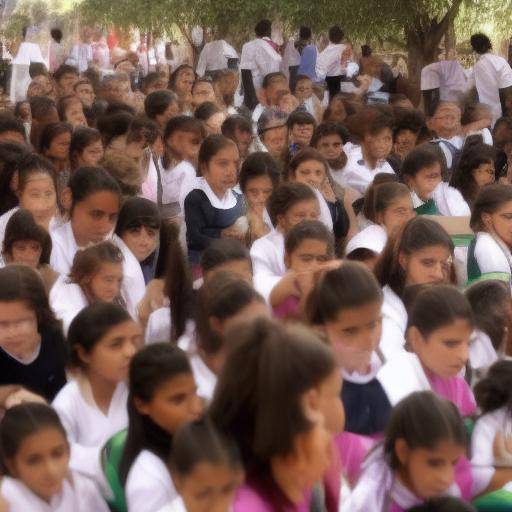
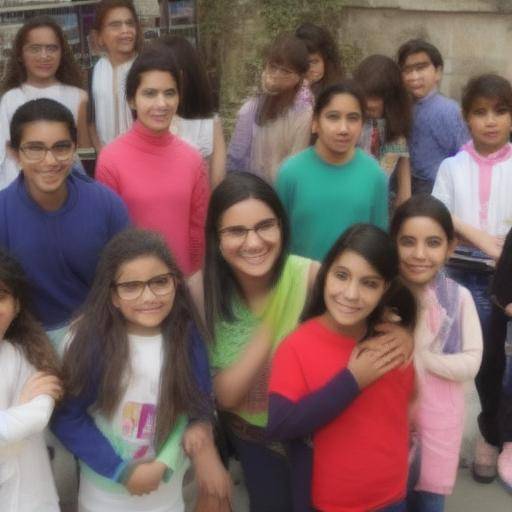
Cultural diversity is a key factor in contemporary society. As the world becomes more interconnected, interaction between different cultures becomes a topic of growing relevance in a variety of contexts, including education. In this article, we will explore the impact of cultural diversity on moral education, analyzing its influence on the formation of values, attitudes and ethical behaviors in individuals. We will address the importance of understanding and assessing cultural diversity in the educational process, as well as the challenges and benefits it presents. In addition, we will discuss strategies to effectively integrate cultural diversity into moral education and discuss future trends in this area.
Introduction
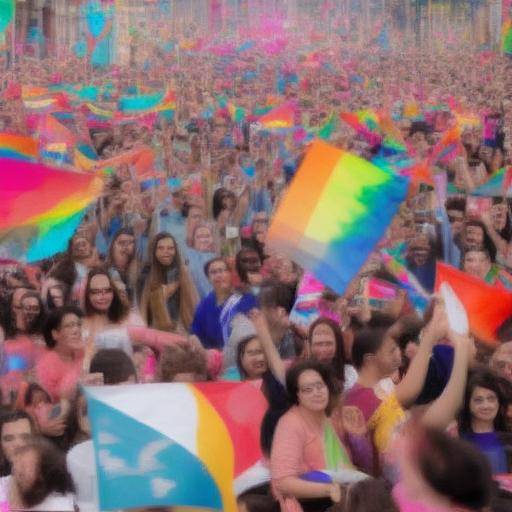
Cultural diversity refers to the coexistence of different cultures, traditions, customs, languages and life forms within a society. In the context of moral education, cultural diversity influences how individuals perceive, understand and practice ethical principles. This phenomenon directly impacts the teaching and learning of universal values such as justice, solidarity, tolerance, respect and empathy. Understanding the impact of cultural diversity on moral education is essential to fostering peaceful coexistence and the development of ethically responsible citizens in a multicultural and diverse world.
History and Background
The interaction between different cultures has been a reality throughout the history of humanity. From ancient trade routes to colonial empires, cultural exchange has influenced the way societies develop their moral values. For example, classical Greek and Roman philosophy, Jewish ethics, Eastern thought and indigenous traditions are just a few examples of cultural diversity that has impacted the evolution of moral education over the centuries.
In the modern era, globalization has intensified intercultural contact, generating an accelerated exchange of ethical ideas, values and practices. This has led to a wider recognition of cultural diversity and its role in the moral formation of people. However, this process has also raised significant challenges in terms of coexistence, tolerance and intercultural understanding.
Analysis in Deep
Cultural diversity in moral education presents a number of benefits and challenges. On the one hand, exposure to different ethical perspectives can enrich understanding of universal values, promote critical thinking and promote empathy towards others. However, it can also generate cultural conflicts, prejudices and misunderstandings that hinder the development of a shared moral conscience.
A crucial aspect is the need to provide a balanced approach that allows students to explore and understand both similarities and differences between different ethical traditions. This involves promoting respect for cultural diversity, promoting inclusion and equality, and addressing stereotypes and discrimination. Moral education should facilitate constructive intercultural dialogue that invites us to reflect on the richness of diversity and promotes the construction of an inclusive and open moral identity to the world.
Comprehensive review
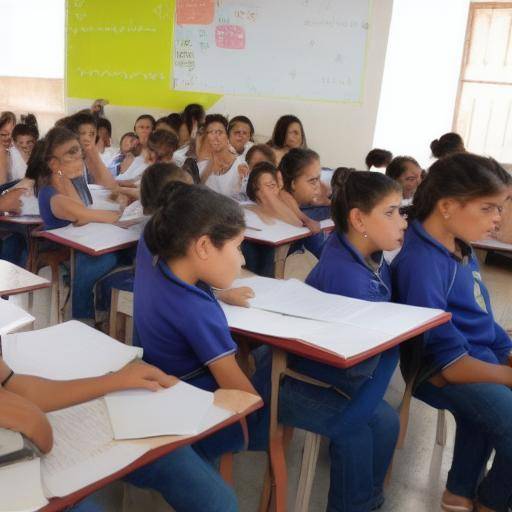
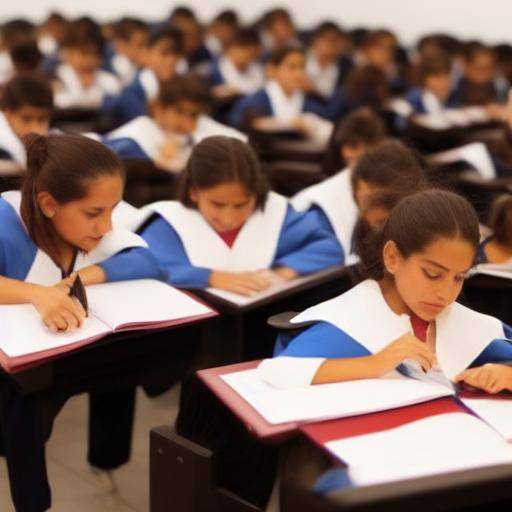
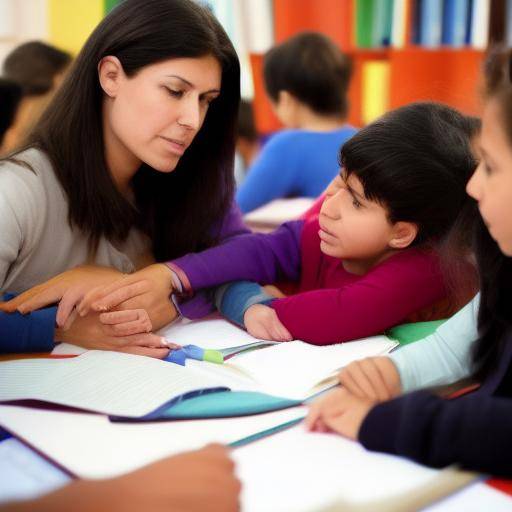
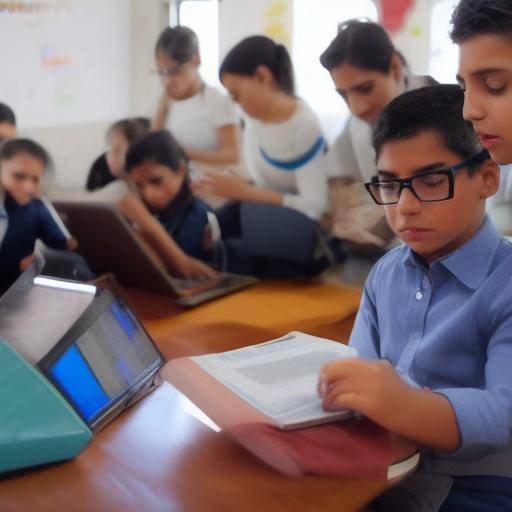
The effective integration of cultural diversity in moral education requires a holistic and multifaceted approach. It is essential to develop educational programmes that incorporate curricular contents that reflect cultural diversity, as well as educational strategies that promote mutual respect and intercultural understanding. In addition, it is important to train teachers to effectively address cultural diversity in the classroom and promote inclusive educational environments.
Collaboration with the community and the use of appropriate educational resources, such as literature, art and diversified media, can be important in this process. In addition, the implementation of practical activities, such as intercultural exchanges, community service projects and ethical debates, can enrich the educational experience of students and promote the development of informed and reflective moral awareness.
Comparative analysis
By comparing the impact of cultural diversity on moral education with other more homogeneous educational approaches, significant differences are highlighted in terms of the breadth of the ethical perspective offered and the ability of individuals to adapt to multicultural environments. While monolithic approaches can limit understanding and empathy towards cultural diversity, moral education in a diverse context can foster the appreciation of the plurality of values and the awareness of global interconnection.
Practical Tips and Accessible Recommendations
Integrating cultural diversity in moral education implies a number of practical considerations. Here are some tips to enrich educational practice:
- Promote the active participation of students from various cultural backgrounds in the educational process.
- Use diverse educational material that reflects the different cultures present in the educational environment.
- Promote intercultural dialogue and exchange of experiences among students.
- Provide safe and respectful spaces to discuss and reflect on ethical issues from various cultural perspectives.
- Train teachers in intercultural skills to ensure fair and equitable teaching and evaluation.
These recommendations can contribute to creating educational environments where cultural diversity is valued and used as an opportunity for ethical growth.
Industry Visions and Expert Reviews
Several educational experts agree on the importance of integrating cultural diversity in moral education. Some highlight that this integration can strengthen moral education by providing a deeper understanding of the inherently diverse nature of human values. They also emphasize that, in facing ethical challenges from multiple perspectives, students can develop a more flexible and globally oriented moral consciousness.
Case Studies and Real Life Applications
To illustrate the successful implementation of cultural diversity in moral education, it is important to study specific cases. For example, educational experiences in countries with great ethnic and cultural diversity, such as Canada, Australia and Singapore, provide examples of educational programmes that promote intercultural understanding and ethical reflection in multicultural settings
Future Trends and Predictions
In analysing current trends, there is a growing emphasis on integrating cultural diversity into global moral education. This trend is expected to continue in the future, with greater recognition of the importance of moral education as a vehicle for promoting social cohesion, global justice and active citizenship in a diverse and complex world.
Conclusion
Cultural diversity plays a crucial role in moral education, influencing how people understand and apply their ethical values. Recognizing and assessing cultural diversity, moral education can foster the development of global ethical awareness and promote peaceful coexistence in diverse societies.
Frequently asked questions
Why is it important to integrate cultural diversity into moral education?
The integration of cultural diversity in moral education is crucial because it allows individuals to develop a wider understanding of ethical values, promotes respect and empathy towards various cultural perspectives, and promotes social cohesion in culturally diverse environments.
What challenges are presented in integrating cultural diversity into moral education?
The most common challenges include the presence of stereotypes, prejudices and discrimination, as well as the difficulty in ensuring equal representation of all cultures in educational programmes.
How can educators address cultural diversity in the classroom?
Educators can address cultural diversity in the classroom by promoting intercultural dialogue, using diverse educational materials, encouraging the active participation of students from different cultures and training in intercultural skills.
What is the long-term impact of moral education that integrates cultural diversity?
A moral education that integrates cultural diversity can have a long-term impact by contributing to the formation of ethically responsible citizens, capable of understanding and respecting diversity, promoting global justice and actively participating in multicultural societies
How can cultural diversity in moral education influence the construction of ethical identities?
Cultural diversity in moral education can influence the construction of ethically flexible and open identities to the world, as it allows individuals to reflect on a variety of ethical perspectives and adopt more inclusive and comprehensive approaches.
How can moral education strengthen peaceful coexistence in diverse settings?
Moral education can strengthen peaceful coexistence in diverse environments by promoting mutual respect, intercultural understanding and peaceful conflict resolution, thus fostering harmonious coexistence in multicultural societies
What are the key strategies for promoting inclusion and equality in moral education?
Some key strategies to promote inclusion and equality in moral education include adopting educational approaches sensitive to cultural diversity, providing opportunities for equitable participation and fostering an educational environment that celebrates the plurality of cultures and ethical values.
In conclusion
Cultural diversity has a significant impact on moral education, influencing the way in which individuals understand, internalize and apply ethical principles. By effectively integrating cultural diversity into moral education, the development of ethically responsible citizens can be encouraged, capable of understanding and respecting the plurality of ethical perspectives in the current world. This approach not only strengthens social cohesion and peaceful coexistence, but also contributes to the formation of flexible and globally oriented ethical identities.