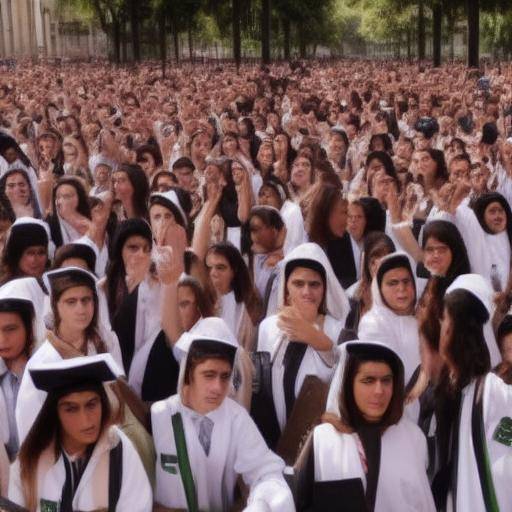
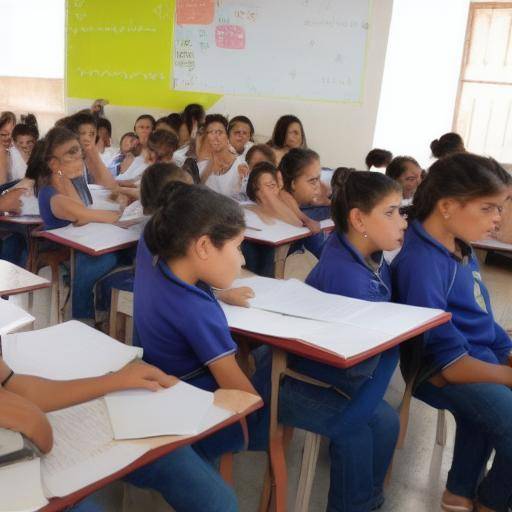
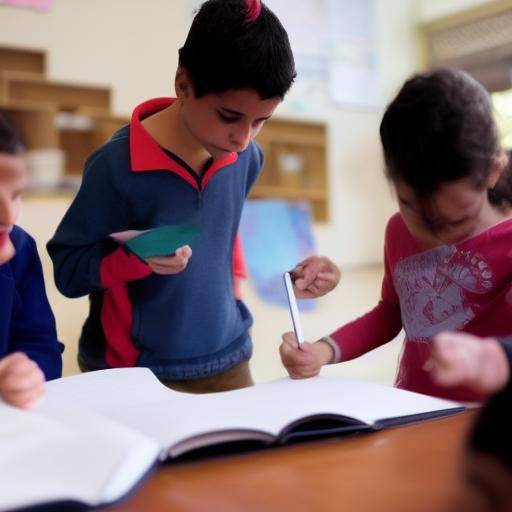
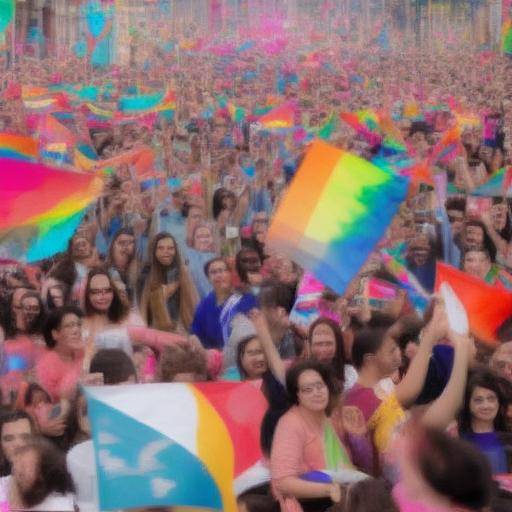
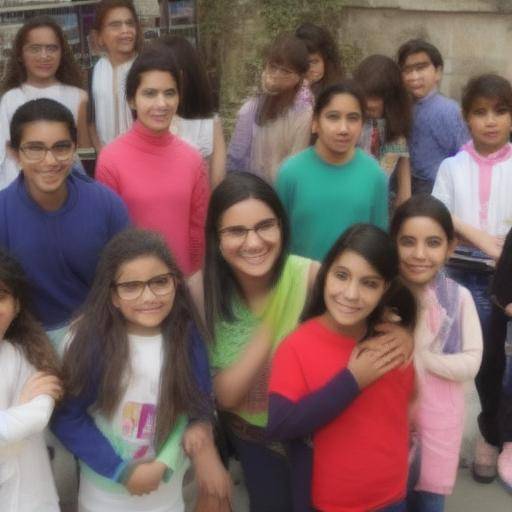
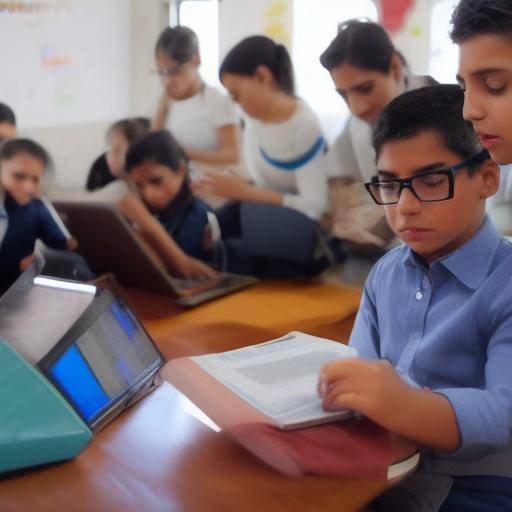
Cultural diversity plays a crucial role in people's emotional well-being. Today, society is immersed in a globalized world in which diverse cultures converge, generating a significant impact on how people experience and manage their emotions. This article thoroughly explores the impact of cultural diversity on emotional well-being, analyzing its historical relevance, its current implications, as well as future trends and practical advice to foster positive emotional well-being in culturally diverse environments.
Introduction
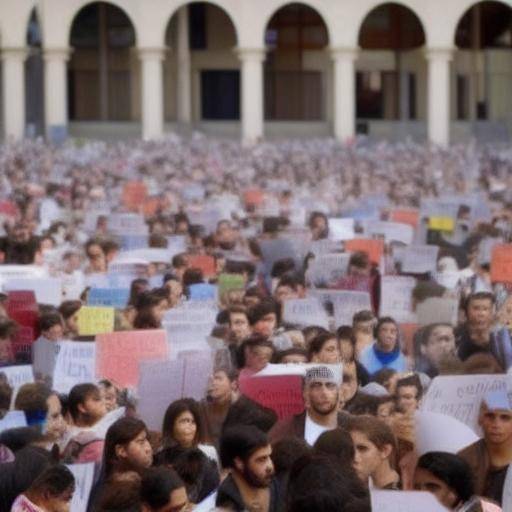
Multicultural coexistence is an increasingly present reality in our societies, which has generated a profound impact on the way people perceive the world, interact with other individuals, and ultimately experience emotions. Cultural diversity not only enriches our personal experience, but also poses challenges and opportunities for emotional well-being. In this article, we will explore how interaction between different cultures shapes our emotions, and how understanding and acceptance of cultural diversity can foster a healthier and more balanced emotional state.
History and Background
Cultural diversity has been an inherent characteristic of humanity throughout history. From the old trade routes to the era of globalization, interactions between cultures have shaped our attitudes, beliefs and, therefore, our emotions. Cultural exchange has been an engine of change, influencing traditions, music, gastronomy, art and, ultimately, how people perceive and manage their emotions.
It is crucial to understand the evolution of cultural diversity and its impact on emotional well-being over time. Interaction between different cultures has generated momentous moments in history, resulting in key advances in understanding and managing emotions. From the philosophical teachings of antiquity to contemporary therapeutic practices, cultural diversity has left an indelible mark on how we approach our emotions.
Deep analysis
Benefits of Cultural Diversity in Emotional Welfare
Cultural diversity offers a wide range of perspectives, approaches and tools to understand and manage emotions. Exposure to different cultural practices and beliefs can enrich the emotional palette of people, allowing them to develop greater empathy, tolerance and emotional resilience. Understanding the different emotional expressions and communication styles present in various cultures can nurture an emotionally enriching environment that fosters mutual acceptance and understanding.
Challenges of Cultural Diversity in Emotional Welfare
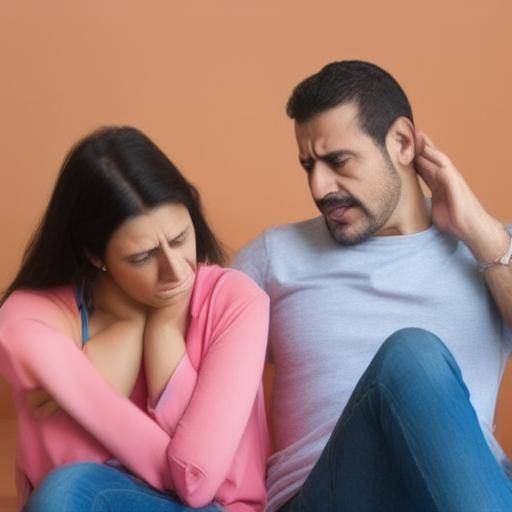
Despite the obvious benefits, cultural diversity also poses significant challenges in the area of emotional well-being. Cultural differences can generate misunderstandings, interpersonal conflicts and barriers in emotional communication. Effective management of these tensions requires a high degree of cultural sensitivity and intercultural skills, as differences in emotional expression and regulation can generate disagreements and challenges for individual and collective emotional well-being.
Current Trends in Cultural Interaction and Emotional Welfare
In the contemporary era, globalization has led to greater interaction between cultures, which has profoundly influenced the emotional dynamics of people. Communication technologies have brought people from different cultural backgrounds, creating an enabling environment for the exchange of emotions, experiences and values. However, this interconnection has also exposed the tensions and challenges surrounding cultural diversity, demonstrating the need for a comprehensive and equitable approach to promote emotional well-being in culturally diverse environments.
Comprehensive review
Practices and Best Practices
Deep understanding of cultural diversity and its impact on emotional well-being is critical to developing effective strategies and practices. Promoting intercultural emotional intelligence, fostering inclusive environments and developing diversity management skills are essential components for the promotion of healthy and equitable emotional well-being in culturally diverse environments.
Perspectives of Experts and Future Implications
Experts in the field of intercultural psychology and diversity management offer valuable insights on the challenges and opportunities associated with cultural diversity in the field of emotional well-being. Its detailed analysis and strategic recommendations are essential to guide effective actions that promote emotional well-being in multicultural contexts. These perspectives also provide a profound insight into the future implications of cultural diversity in emotional well-being, projecting scenarios and emerging challenges that require attention and action.
Comparative analysis
The comparison between different approaches and perspectives on the impact of cultural diversity on emotional well-being provides a holistic and enriching vision. Identifying similarities, differences and synergies between different cultures and emotional practices allows us to better understand the global emotional landscape, enriching our skills to appreciate and manage emotions in culturally diverse contexts.
Practical Tips and Accessible Tips
Promoting emotional well-being in multicultural environments requires an active and action-oriented approach. Providing practical advice, interpersonal emotional management strategies and tools to develop intercultural emotional intelligence are essential to empower individuals and communities to effectively manage their emotions in culturally diverse contexts.
Final Reflections
In conclusion, the impact of cultural diversity on emotional well-being is a complex and multidimensional theme that deserves careful and respectful attention. By understanding and embracing cultural diversity, we can enrich our emotional experience, promote mutual acceptance and foster emotionally healthy and equitable environments for all, regardless of their cultural origin.
Frequently asked questions
How does cultural diversity influence the management of emotions?
Cultural diversity influences the management of emotions by providing a variety of perspectives, approaches and practices that enrich emotional understanding and expression. However, it can also generate challenges in emotional communication and emotional regulation due to cultural differences in the expression and interpretation of emotions.
What are the benefits of promoting cultural diversity for emotional well-being?
Promoting cultural diversity fosters greater understanding, empathy and mutual respect, contributing to more inclusive and enriching emotional environments. It also facilitates the development of intercultural skills that are crucial to the effective management of emotions in multicultural contexts.
How can cultural differences affect emotional health?
Cultural differences can affect emotional health by generating interpersonal tensions, misunderstandings and conflicts due to variations in emotional expression and regulation. It is essential to promote cultural sensitivity and intercultural skills to effectively address these challenges.
What strategies can be used to promote equitable emotional well-being in culturally diverse environments?
To promote equitable emotional well-being in culturally diverse environments, it is crucial to promote intercultural emotional intelligence, promote empathy and understanding, and develop skills for diversity management. In addition, the creation of inclusive environments and the promotion of effective communication are key strategies.
What are the current trends in managing emotional well-being in culturally diverse environments?
Current trends in managing emotional well-being in culturally diverse environments include the focus on emotional inclusion and equity, the development of intercultural emotional intelligence programmes, and the promotion of diversity and mutual respect as fundamental pillars for effective management of emotions.
What is the role of cultural diversity in the evolution of therapeutic practices and intercultural psychology?
Cultural diversity influences the evolution of therapeutic practices and intercultural psychology by enriching the understanding of emotions, mental health and emotional well-being from diverse perspectives. These cultural and contextual influences are fundamental to the development of effective and culturally sensitive therapeutic approaches.
Conclusion
The influence of cultural diversity on emotional well-being is undeniable. From the enrichment of emotional palette to the challenges of interpersonal emotional management, cultural diversity shapes and challenges our perceptions, beliefs and emotional practices. By recognizing and embracing cultural diversity, we can strengthen our skills to understand, accept and manage our emotions in an increasingly multicultural world, thus promoting equitable and enriching emotional well-being for all.