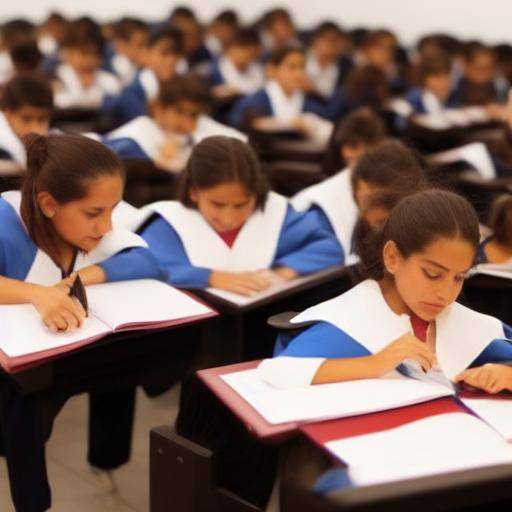
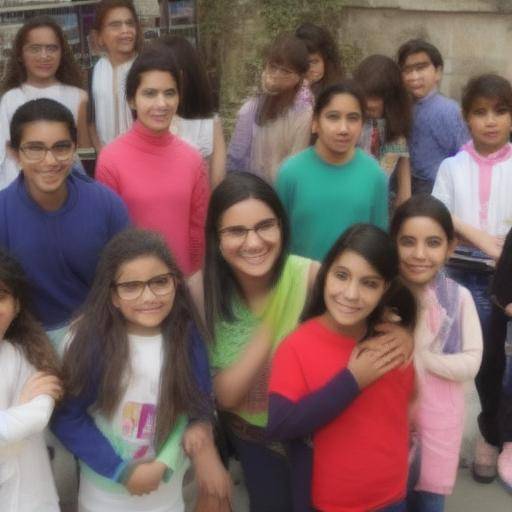
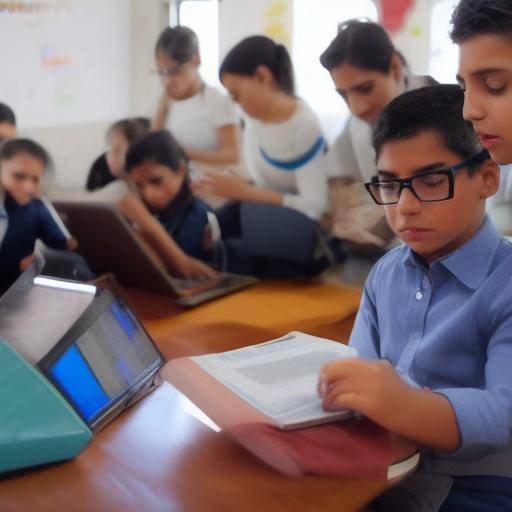
Child creativity plays a crucial role in the integral development of children, and cultural diversity plays a significant role in this process. Exposure to various cultures, traditions and experiences enriches the creative capacity of children, influencing their perspective in the world and their way of expressing themselves. In this article, the impact of cultural diversity on child creativity is analyzed in depth, exploring its importance, benefits, challenges and future trends.
Introduction
The environment in which children grow up plays a key role in building their identity and their ability to think creatively. Cultural diversity, which encompasses differences in customs, traditions, language, art and more, provides children with a wealth of experiences that stimulate their imagination and foster mental openness. This article highlights how cultural diversity expands the horizons of child creativity, allowing children to develop a profound and respectful understanding of the variety of perspectives that exist in the world.
History and Background
The influence of cultural diversity in child creativity has deep roots in the history of humanity. From ancient civilizations to contemporary migratory movements, the interaction between different cultures has enriched artistic expressions, literature and music. Over the centuries, these influences have shaped the way children perceive and address their environment.
Historical examples
- Ancient Greece and Rome: Greek and Roman cultures adopted and adapted artistic and literary elements of Egyptian, Persian and Phoenician civilizations, resulting in a cultural flourishing that impacted the creativity of their young.
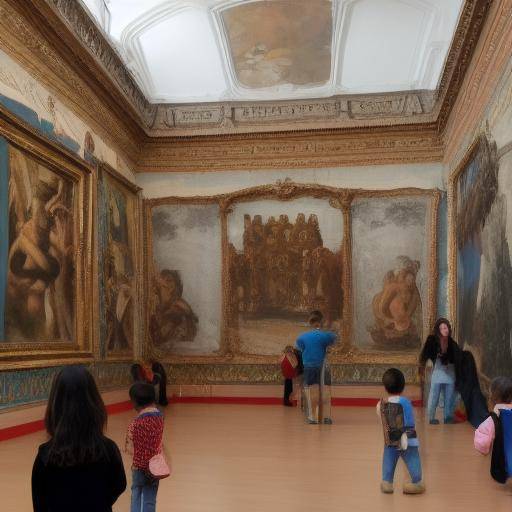
- European rebirth: During the Renaissance, cultural exchange through trade and exploration brought new artistic ideas and techniques to Europe, fostering a boom in creativity and innovation.
- Harlem Renaissance Movement: In the 20th century, the Harlem Renaissance in the United States was a period of great creativity and artistic expression influenced by the rich cultural diversity of the African American community.
Analysis in Deep
Benefits of Cultural Diversity in Child Creativity
- Mental opening: Exposure to different cultures expands the mind of children, allowing them to think more flexibly and creatively. Children learn to see the world from multiple perspectives, which enriches their ability to generate innovative ideas.
- Empathy and Tolerance: Children who interact with diverse cultures develop greater empathy and tolerance towards differences. This emotional understanding deepens its ability to create works that reflect a wide range of human experiences.
- Incorporation of Diverse Elements: Cultural diversity provides a variety of symbols, stories, and artistic styles that children can incorporate into their own creations, making their creative expressions richer and more varied.
Challenges of Cultural Diversity in Child Creativity
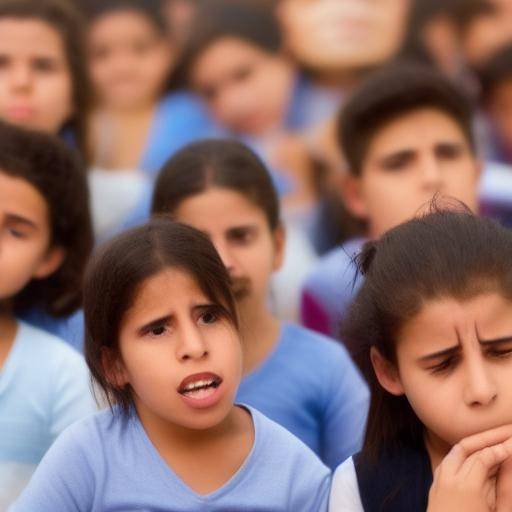
- Prejudice and Stereotypes: In environments where diversity is not valued or faced with prejudices, children can internalize stereotypes that limit their creativity. It is crucial to counter these challenges through intercultural education and the promotion of inclusive values.
- Limited Access to Diverse Cultural Resources: Lack of access to various educational materials and cultural resources may restrict the opportunities of children to explore and express their creativity. It is essential to provide a wide range of cultural resources in schools and communities.
- Resistance to Change: Some educational environments can resist integrating cultural diversity into the curriculum, which can limit the opportunities of children to fully benefit from cultural diversity in their creative development.
Practical Applications and Strategies
In the classroom
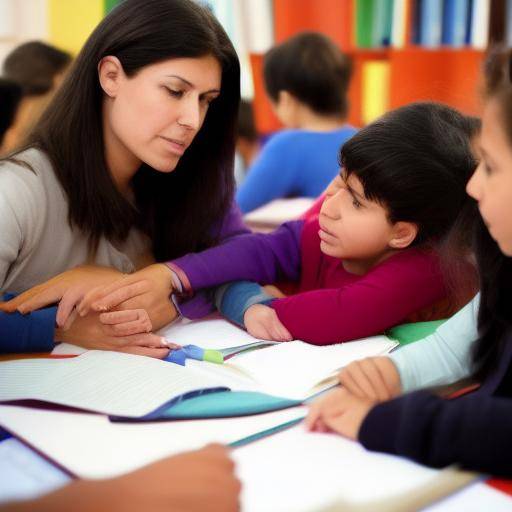
- Inclusive Curriculum: Incorporate stories, art and music from various cultures into the school curriculum. This may include reading stories from different parts of the world, exploring global artistic traditions and celebrating cultural festivals.
- Intercultural Projects: Encourage projects where children investigate and present on different cultures. These activities may include the creation of multicultural murals, the development of international meals and presentations on different countries and their traditions.
- Cooperation with the Community: Invite members of the community of different cultural backgrounds to share their stories and talents with students. This may include art workshops, cooking classes and demonstrations of traditional dances.
Home
- Reading and Different Media: Provide children with books, movies and TV shows that represent a variety of cultures. Discussing these materials together can open dialogues on diversity and creativity.
- Travel and Excursions: If possible, travelling to different places and participating in cultural festivals can provide direct experiences that enrich the perspective of children.
- Celebration of Various Traditions: Celebrating festivals of different cultures at home can be a fun way to learn and appreciate cultural diversity.
Future Trends
Globalization and Technology
In the context of globalization and cultural interconnection, the influence of cultural diversity on child creativity is expected to continue to expand. Access to various forms of cultural expression through technology and communication facilitates greater exchange and understanding among children of different cultural backgrounds, which promotes appreciation and integration of diversity in their creative processes.
Artificial Intelligence and Digital Resources
Artificial intelligence and digital resources are creating new opportunities to explore cultural diversity. Educational applications and online learning platforms can provide children with access to a wide range of cultural experiences around the world, enriching their creative development.
Approach to Inclusion
The future of education will probably see an even greater approach to inclusion and cultural diversity. Education policies and teaching practices will continue to evolve to ensure that all children have the opportunity to benefit from a culturally rich and diverse environment.
Conclusion
Cultural diversity has a profound impact on child creativity, providing children with a wealth of experiences that extend their imagination and foster an open and respectful mentality. By integrating effective strategies both in the classroom and in the home, we can ensure that children not only develop their creative capacity, but also become empathic and tolerant global citizens. Promoting cultural diversity in education is essential to preparing future generations to live and prosper in an increasingly interconnected world.
This article provides an exhaustive overview of the impact of cultural diversity on child creativity, highlighting its importance, benefits, challenges and practical applications, and offering a look to the future of this issue in education.