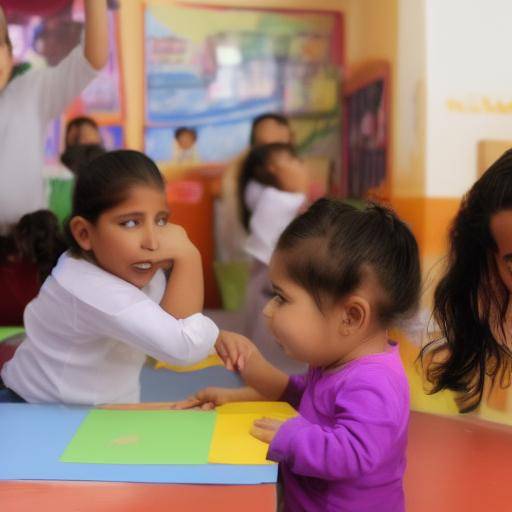
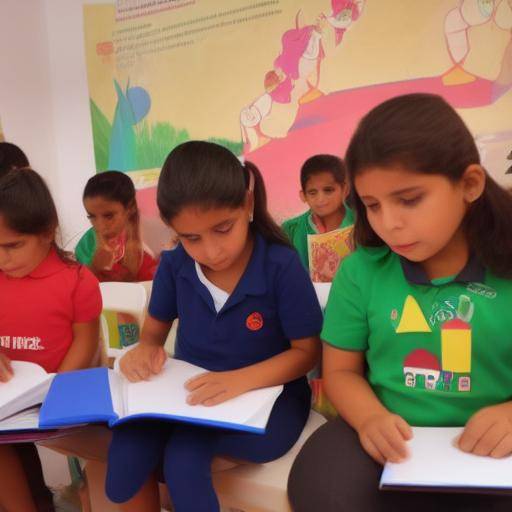
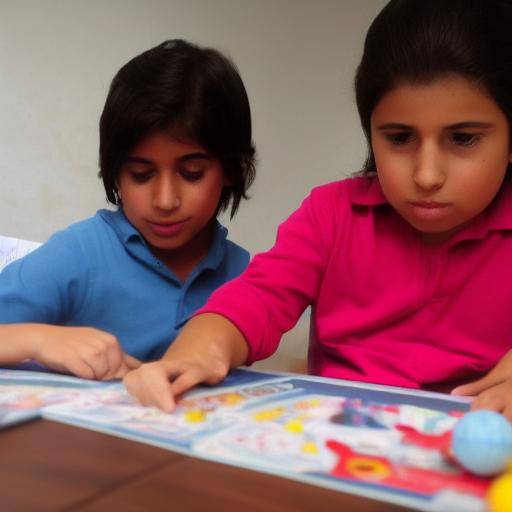
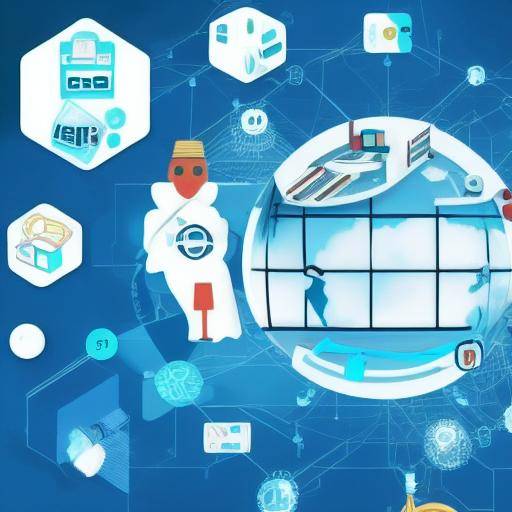
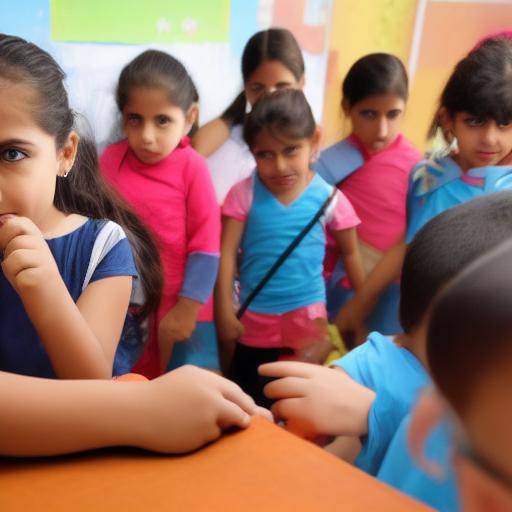
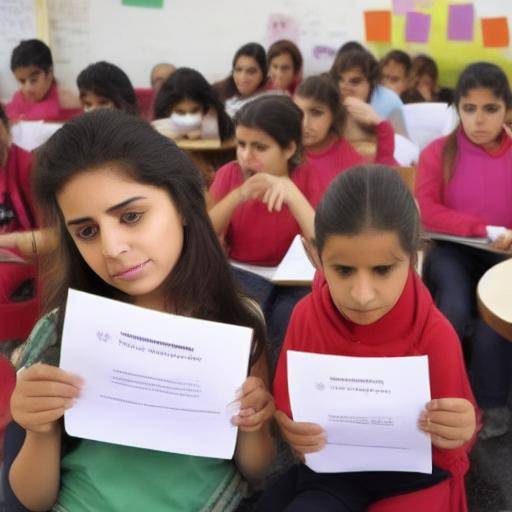
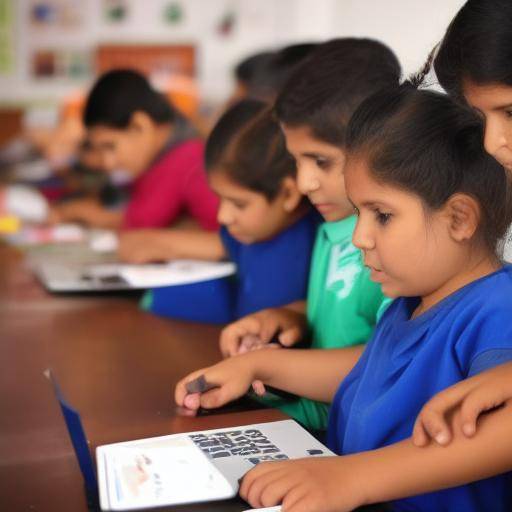
Mixed learning, also known as blended learning in English, is an educational method that combines traditional classroom instruction with online education. This hybrid approach seeks to integrate the best of both worlds, taking advantage of the advantages of eye learning and digital technologies. In this article, we will explore in depth the impact of mixed learning on education, from its history and evolution to its practical applications and future trends.
Introduction
Mixed learning has broken into the educational world by transforming the way students and teachers interact and participate in the teaching-learning process. This modality seeks to adapt to student learning needs and styles, offering flexibility and customization.
In this article, we will immerse ourselves in the world of mixed learning, exploring its impact, benefits, challenges and application in various educational contexts. We will also examine future trends and provide practical advice for their effective implementation.
History and Background
The origin of mixed learning dates back to the first forms of distance education that emerged in the nineteenth century with the use of postal mail and printed materials. However, it is with the arrival of digital technologies that the concept of blended learning acquires greater relevance.
During the 1990s, with the expansion of the internet and the evolution of technology, there are the first online learning initiatives that then merge with traditional educational environments. This marriage between the presence and the virtual marks the birth of mixed learning as we now know it.
Over the years, mixed learning has experienced exponential growth, with educational institutions at all levels adopting this methodology to enrich the educational experience of their students. This approach has evolved enormously, adapting to the changing needs of society and offering flexible and effective solutions.
Analysis in Deep
The impact of mixed learning on education is significant in several aspects. First, it gives students the opportunity to learn at their own pace, allowing those with different learning styles and learning assimilation rhythms to have a more personalized experience.
In addition, mixed learning fosters collaboration and interaction among students, as it provides space for teamwork and problem solving in virtual environments. This modality also enhances the development of digital skills and the ability to adapt to changing environments, preparing students to face the challenges of the current working world.
However, despite its many benefits, mixed learning also faces challenges, such as the digital divide and the need for continuous training and support for teachers. The effective integration of technology into the classroom requires careful planning and sound infrastructure to ensure the success of this methodology.
Comprehensive review
When we look closely at mixed learning applications, we find clear examples of their impact in various educational contexts. From primary education to vocational training, mixed learning has proven to be a versatile and effective tool to enhance learning and knowledge retention.
In addition, when analysing best practices and successful experiences, guidelines and strategies emerge to maximize the benefits of mixed learning. The balanced combination between face-to-face interaction and online activities becomes a key factor for the success of this modality, highlighting the importance of careful planning and design of learning environments.
Comparative analysis
By comparing mixed learning with other educational approaches, such as exclusively presenceal or totally online learning, we can identify their advantages and disadvantage different contexts. While face learning offers direct interaction and socialization, online learning provides timetable flexibility and access to digital resources. Mixed learning seeks to combine these strengths to offer a more complete and adequate educational experience to the individual needs of students.
Practical Tips and Accessible Tips
To successfully implement mixed learning, it is essential to consider various aspects, such as the selection of multimedia content, the creation of interactive activities and the effective management of time. Teachers play a crucial role in the design of learning environments that integrate in a balanced way the presence and the virtual, providing guidance and support to students on their educational journey.
In addition, it is important to establish evaluation mechanisms that reflect the mixed approach, assessing both online achievements and classroom skills. In fostering active participation and collaboration, a dynamic and enriching learning environment is encouraged.
Industry Perspectives and Expert Reviews
By collecting the opinions of experts in the field of education, it is clear that mixed learning is called to play a central role in the transformation of education. This hybrid approach represents an opportunity to rethink how we conceived teaching and learning, integrating technology strategically to achieve significant results.
Experts agree that mixed learning will open new doors in education, allowing personalization, adaptation to individual needs and the integration of digital resources in an innovative way. This optimistic vision of mixed learning highlights its potential to boost student growth and development in the 21st century.
Case Studies and Practical Applications
When analyzing case studies that demonstrate the successful application of mixed learning, we find inspirational examples in various educational contexts. From rural schools that take advantage of digital connectivity to expand their educational offer to companies that use mixed learning for job training, success stories illustrate the positive impact that this modality can have on education and professional development.
Future Trends and Predictions
As technology continues to evolve, mixed learning is expected to remain a key component in the education strategy. Online learning platforms are expected to integrate more fluidly with face-to-face environments, providing students with a more holistic and enriching educational experience. It is also expected that artificial intelligence and data analysis tools will play an important role in customizing and adapting mixed learning to the individual needs of students.
Conclusion
In conclusion, mixed learning represents a significant advance in education, offering a balanced approach that combines the best of in-person and online instruction. Its impact is reflected in the improvement of student participation, the personalization of learning and the preparation for an increasingly digitalized world of work.
Frequently asked questions (FAQs)
What is mixed learning and how does it differ from other educational approaches?
Mixed learning combines face-to-face instruction with online education, offering a more complete educational experience. Unlike exclusively in-person or online learning, mixed learning seeks to leverage the strengths of both approaches to adapt to the individual needs of students.
What are the benefits of mixed learning for students?
The benefits of mixed learning include learning customization, time flexibility, digital skills development and interactive collaboration. This approach also prepares students for the current world of work, where technological skills and adaptability are essential.
How can teachers incorporate mixed learning into their educational practices?
Teachers can integrate mixed learning into their educational practices through careful online resource selection, interactive activities, balanced evaluation design and individualized guidance. In addition, collaboration with educational technology specialists can enrich the implementation of mixed learning in the classroom.
What are the challenges associated with mixed learning?
Some challenges associated with mixed learning include the digital divide, the need for specialized teacher training, effective time planning and consistent integration of classroom technology. Overcoming these challenges requires a strategic approach and commitment to continuous improvement.
To what extent has mixed learning impacted education in corporate environments?
Mixed learning has revolutionized corporate training by offering more dynamic, personalized and effective training programs. Companies have adopted this modality to improve the professional development of their employees, increase the retention of knowledge and adapt to the changing demands of the labour market.
How are mixed learning expected to evolve in the future?
Mixed learning is expected to continue to evolve with the integration of emerging technologies, such as artificial intelligence and data analysis. This will allow for increased customization, adaptation to individual needs and the use of innovative digital resources in education.
What is the impact of mixed learning on educational equity?
Mixed learning can play an important role in educational equity by offering more accessible and personalized learning opportunities. However, it is essential to address the digital divide and ensure that all students have equal access to the resources necessary to participate fully in mixed learning.
In short, mixed learning has proven to be a transformative educational approach with a significant impact on how students and teachers interact and participate in the teaching-learning process. Its ability to combine the best of both worlds, presence and online, places it as a powerful tool to enhance learning in various educational contexts. By understanding its history, benefits, challenges and practical applications, we can fully appreciate the potential of mixed learning to revolutionize education in the twenty-first century.