Introduction
In life, we face constant changes that can affect our emotional development. Adaptability is closely linked to our ability to handle these changes. In this article, we will explore the impact of adaptability on emotional development. We will discover how the ability to adapt to changing situations can positively influence our mental health, interpersonal relationships and personal growth. We will also address how adaptability can be cultivated and strengthened. Join us on this journey towards a deeper understanding of this fundamental theme!
History and Background
Adaptability has been a topic of interest for philosophers, psychologists and sociologists throughout history. Since ancient times, the virtues of the ability to adapt to different circumstances have been discussed. In the context of psychology, adaptability has gained relevance with the advent of theories such as humanistic psychology and positive psychology.
In the modern era, rapid technological evolution and social changes have revealed the importance of adaptability in a constantly changing world. Today, the ability to adapt is considered a crucial skill for personal and professional success.
An emblematic figure in the understanding of adaptability is the psychologist Albert Bandura, whose theory of social learning emphasizes the importance of observation, imitation and self-regulation to adapt and thrive in changing environments.
Analysis in Deep
Benefits of Adaptability: The ability to adapt is closely linked to emotional well-being. People with high levels of adaptability tend to experience less stress and anxiety in challenging situations, allowing them to cope with changes with resilience. In addition, adaptability is associated with increased problem resolution and effective decision-making capacity.
Adaptability Challenges: Despite its many benefits, adaptability can also present challenges. Some people may feel overwhelmed by the uncertainty and lack of stability that leads to adapt to new circumstances. Fear of change can hinder the ability to adapt, which can generate stress and emotional difficulties.
Current trends: At present, the working and social environment is undergoing rapid transformation due to factors such as globalization, urbanization and technological revolution. This has underscored the need to develop and strengthen people ' s adaptation capacity to ensure their well-being and success in a changing world.
Exhaustive examination
Adaptability can be cultivated and strengthened through various strategies and practices. The promotion of the growth mentality, the development of coping skills and the search for new experiences are some of the ways in which adaptability can be encouraged. In addition, the practice of resilience and acceptance of change as an opportunity to grow are key aspects in the development of adaptability.
Conclusions and FAQs
Conclusion
In short, adaptability plays a crucial role in people's emotional development. Its impact extends to multiple areas of life, including mental health, interpersonal relationships and personal growth. Understanding and strengthening the ability to adapt can be essential to confront the challenges of a constantly evolving world. Taking advantage of adaptability as a strength of its own can lead to greater satisfaction and well-being in all aspects of life.
Frequently asked questions
Why is adaptability important in emotional development?
Adaptability is crucial in emotional development because it allows people to deal with life changes and challenges more effectively, promoting resilience and emotional well-being.
How can I improve my adaptation capacity?
You can improve your adaptability through resilience practice, the adoption of a growing mentality, the development of coping skills and the opening of new experiences.
What are the benefits of being adaptable?
Being adaptable can lead to greater problem resolution, less stress in challenging situations, ability to make effective decisions and a more positive attitude towards change.
What impact does adaptability have on interpersonal relationships?
Adaptability can strengthen interpersonal relationships by allowing people to handle conflicts and changes in relationships more effectively, promoting understanding and empathy.
What are the signs of low emotional adaptability?
Low emotional adaptability can manifest through significant resistance to change, difficulties in handling new or stressful situations, and a tendency to feel overwhelmed by uncertainty.
How can I help children develop emotional adaptability?
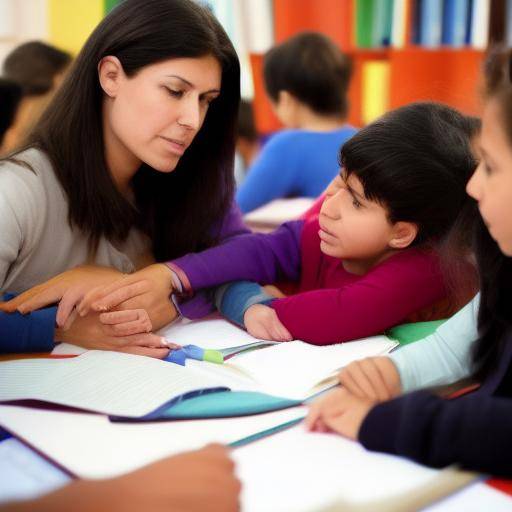
You can help children develop emotional adaptability by fostering an environment in which they feel safe when facing challenges, providing emotional support and modeling a positive attitude towards change.
What is the role of adaptability in the workplace?
Adaptability is highly valued at work, as it allows employees to face the challenges of the constantly changing working environment, adapt to new technologies and working methods, and contribute effectively to the innovation and growth of the company.
In conclusion, adaptability has a significant impact on people's emotional development. Your ability to handle change effectively can positively influence your mental well-being, interpersonal relationships, and personal and professional success. By understanding the importance of adaptability and seeking ways to strengthen this ability, people can cultivate their ability to thrive in a constantly evolving world. Adaptability can be seen as a valuable tool to navigate life challenges and foster continuous personal growth.