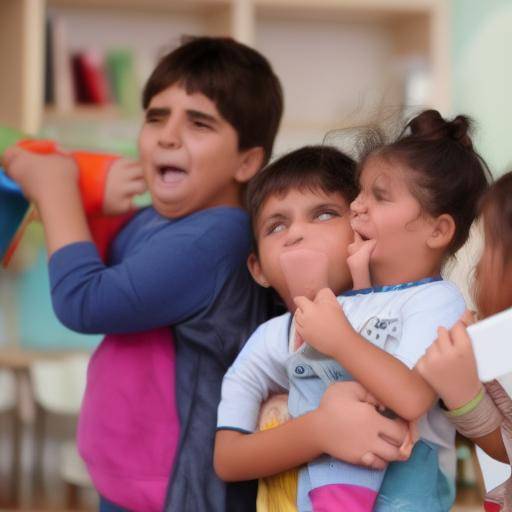
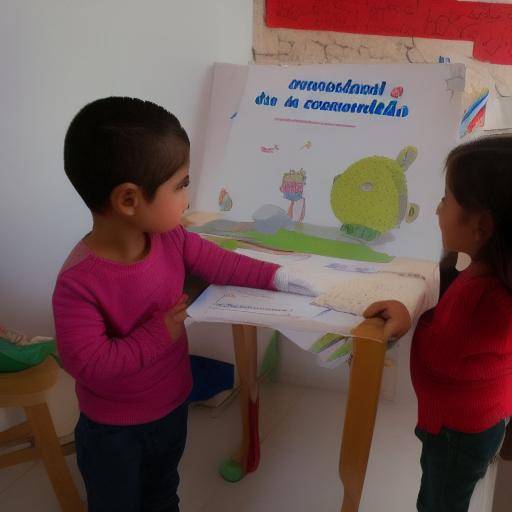
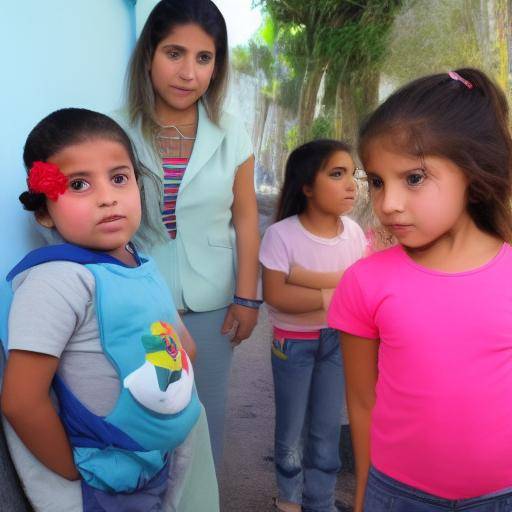
When it comes to child friendly relations, conflicts are a natural part of growth and development. Learning to manage these conflicts in a healthy way is essential for your emotional and social well-being. In this article, we will explore effective strategies to help children manage conflicts with their friends, providing advice on how to foster positive and constructive relationships from an early age.
Understanding the Management of Conflicts in Children
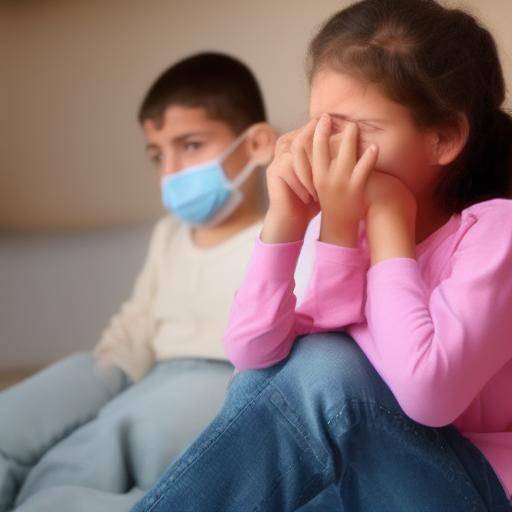
Conflict management in childhood is crucial for the development of social skills, self-esteem and empathy. Children who learn to manage conflicts positively tend to develop healthier relationships in adult life. It is important to instill in them effective communication skills, problem solving and emotional understanding from an early age.
How to Address Conflicts
Promoting Open Communication
It is vital to teach children to express their feelings and concerns clearly and respectfully. Open communication is the basis for constructively addressing conflicts.
Teaching empathy
Fostering empathy allows them to understand the emotions of their friends and helps them find solutions that meet the needs of both parties.
Promote Joint Problems Resolution
Teaching children to seek solutions together reinforces the importance of teamwork, finding agreements that benefit both parties.
Social Skills Development
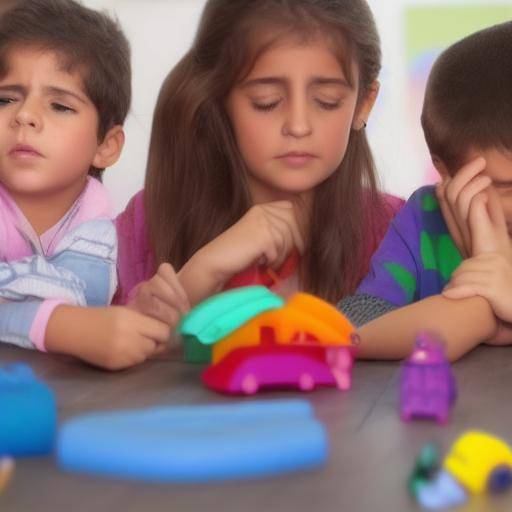
Cooperative game
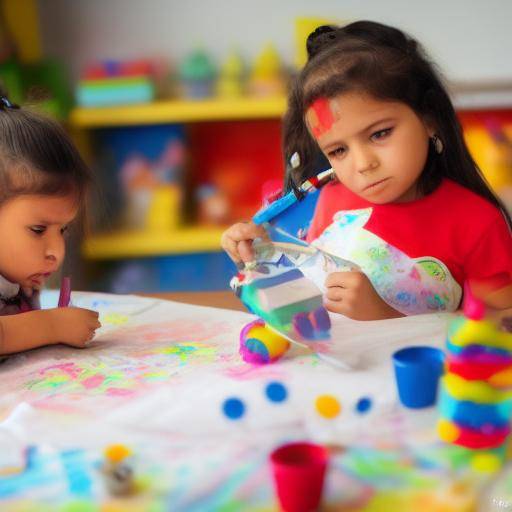
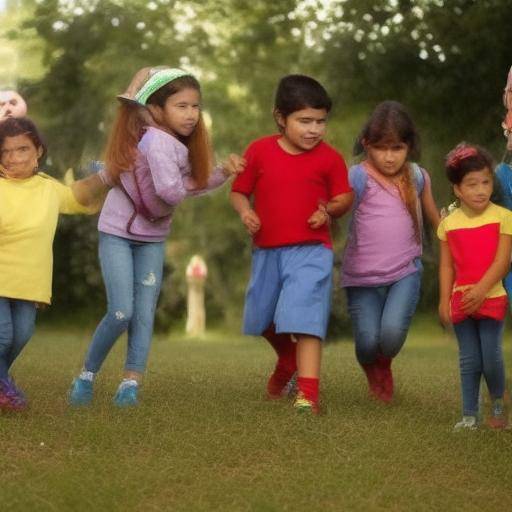
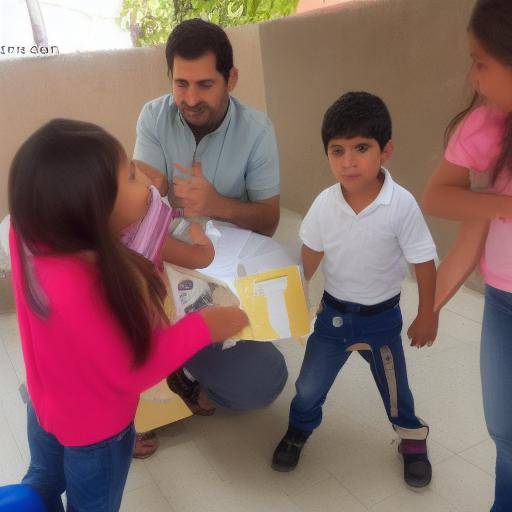
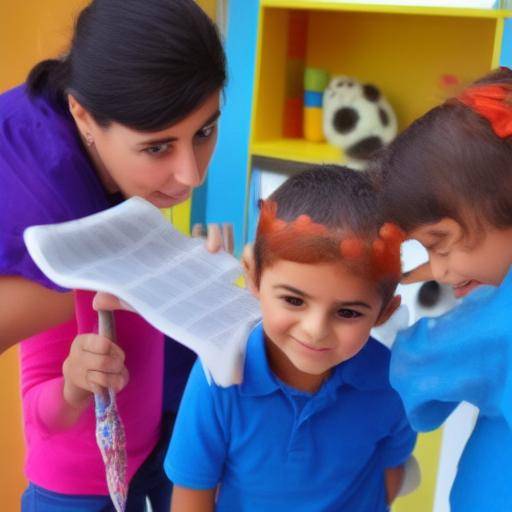
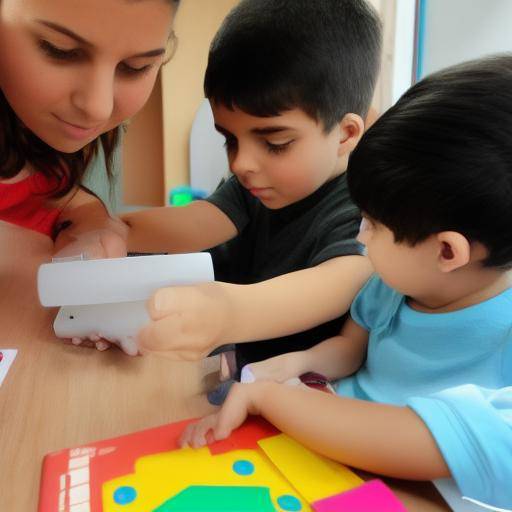
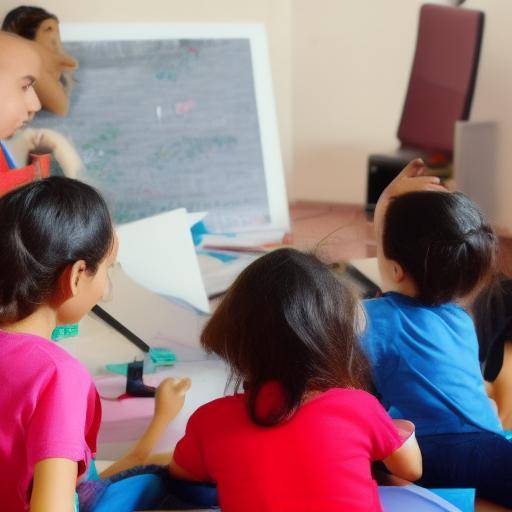
Increasing games or activities that promote cooperation and teamwork helps them understand the importance of collaborating and resolving conflict situations jointly.
Modeling Positive Behaviors
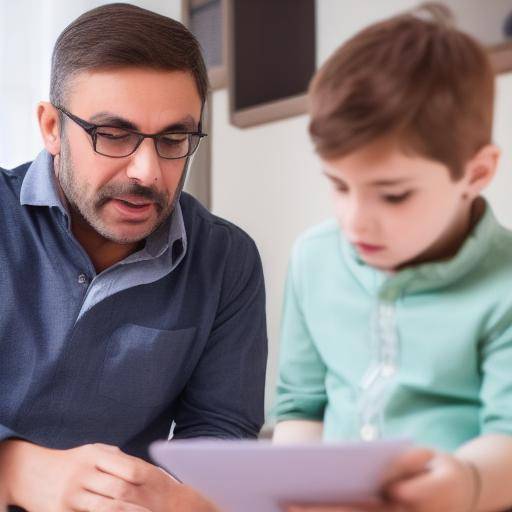
Children learn by observing adults. Modeling positive behaviours in conflict resolution provides concrete examples of how to handle difficult situations effectively.
The Importance of Guidance
Adults who guide children in conflict management play a crucial role. Providing support, guidance and encouragement, allows them to face the challenges more securely and successfully.
Support Positive Interactions
Encouraging them to build positive and healthy relationships promotes the development of sound social skills and fosters an enabling environment for effective conflict management.
Conclusion
Teaching children to handle conflicts with friends from an early age is essential for their personal and social development. By providing them with the tools necessary to address conflict situations constructively, we are providing them with skills that will be invaluable to them throughout their lives. Helping children manage conflicts with friends not only strengthens their relationships, but also allows them to grow as empathetic, understanding and self-sufficient individuals. With adequate support and strong foundations, children can learn to face social challenges with confidence and resolve.
FAQs
**1. How can I teach my child to express their emotions in a healthy way?**Teaching children to express their emotions in a healthy way involves validating their feelings, showing empathy and encouraging open communication. You can achieve this by modeling positive emotional language and giving them a safe space to share their feelings.
**2. What is the importance of empathy in resolving conflicts between children?**Empathy is crucial for conflict resolution, as it allows children to understand the feelings and perspectives of others. Promoting empathy helps them find solutions that consider the needs of all the parties involved.
**3. How can I support my child if he is experiencing conflicts with his friends?**Providing emotional support, actively listening, providing guidance and modeling positive behaviors are effective ways to support your child during conflicts with friends. It is essential that you feel understood and supported to find solutions effectively.
**4. What is the role of adults in teaching social skills to children?**Adults play a crucial role in modeling positive behaviors, providing guidance and creating an enabling environment for the development of social skills. Acting as models to follow, adults influence how children learn to interact and manage conflicts.
**5. How much does conflict management impact on children's self-esteem?**Positive conflict management contributes significantly to the self-esteem of children, as it provides them with confidence to face difficulties constructively. By learning to manage conflicts in a healthy way, children develop a greater sense of competition and security in themselves.
**6. What activities or games can I promote to foster cooperation among children?**Cooperative games such as group puzzles, role-playing or collaborative activities are excellent for fostering cooperation among children. These activities teach them to work together towards a common goal, promoting the resolution of joint problems and teamwork.
We hope that this article has provided valuable information on how to help children handle conflicts with friends. By following these strategies and providing a support environment, children can learn to address the challenges that arise in their friendship relationships, strengthening their ability to establish healthy and lasting links.