Healthy food is essential for the optimal development of children. At present, with growing concern for the health and well-being of the youngest, it is crucial to understand the importance of eating habits at all stages of their growth. In this article, we will thoroughly explore the impact of a healthy diet on child development, providing practical advice, relevant statistics, and expert perspectives.
Introduction
The stage of childhood is crucial to the physical, mental and emotional development of children. During this period, eating habits play a decisive role in building a healthy base for the future. The food consumed by children directly influences their health, growth and ability to learn and develop. Throughout this article, we will thoroughly explore the impact of healthy food on the development of children, providing detailed information, practical advice and deep reflections on this fundamental issue.
History and Background
The concept of healthy feeding for children has deep roots in the history of humanity. From ancient civilizations to the modern era, concern for providing adequate nutrition to the younger has been a constant. Over time, significant progress has been made in understanding the nutritional requirements of children, as well as in the development of specific food patterns.
In the 1930s, there was a crucial breakthrough with the discovery of the importance of certain nutrients, such as vitamins and minerals, in child growth and development. Subsequently, specific guidelines and dietary recommendations were established for each stage of childhood, which marked a milestone in promoting a healthy diet for children. These historic advances laid the foundation for the current understanding of the importance of nutrition in child development, and continue to influence current practices.
Analysis in Deep
Benefits of Healthy Food for Child Development
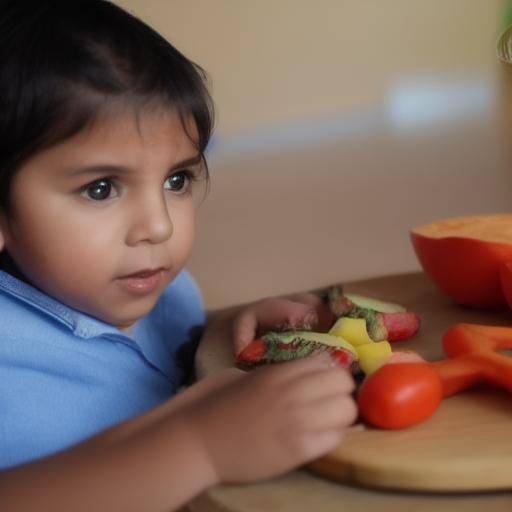
Providing a healthy diet for children entails a wide range of benefits that influence their comprehensive development. Essential nutrient-rich foods such as fruits, vegetables, lean proteins and whole grains contribute to correct physical growth, strengthen the immune system and promote optimal cognitive development. In addition, a balanced diet from childhood encourages the acquisition of healthy eating habits throughout life, helping to prevent chronic diseases in adulthood.
Challenges in the Promotion of Healthy Food for Children
Despite overwhelming evidence that supports the importance of healthy eating, there are several challenges in promoting this type of food in children. Environmental, cultural and economic factors can influence the availability and accessibility of healthy food for families. In addition, the advertising of processed and unhealthy foods for children poses a significant obstacle in promoting balanced food. It is essential to address these challenges comprehensively to ensure that all children have access to healthy and nutritious food.
Current Trends in Child Nutrition
At present, we note an increase in awareness of the importance of healthy food for children, which has generated various trends in child nutrition. The focus on plant-based food, the promotion of organic food and the diversification of the infant diet are some of the most prominent trends. Also, the use of technology to educate children about nutrition and healthy cooking is gaining popularity. These current trends reflect a positive shift towards promoting healthy eating from childhood.