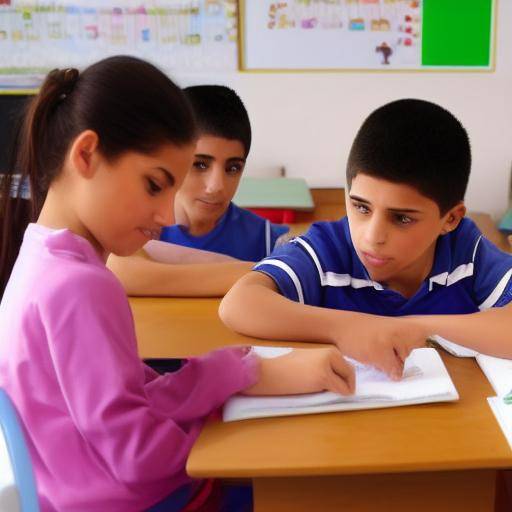
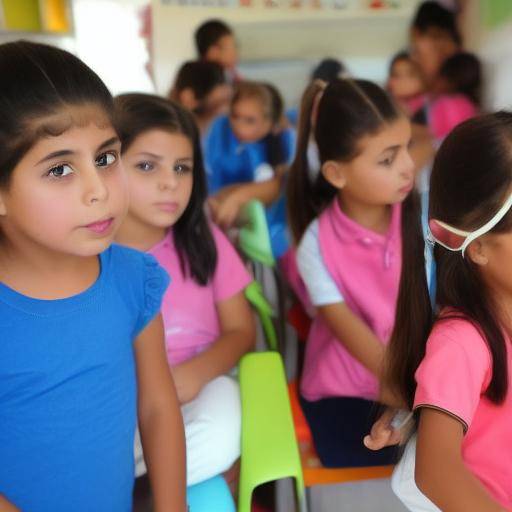
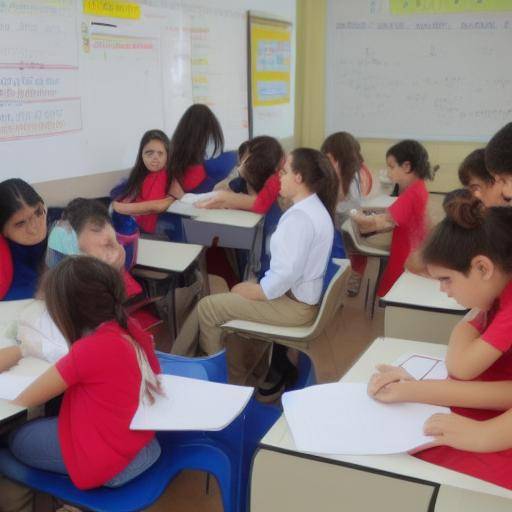
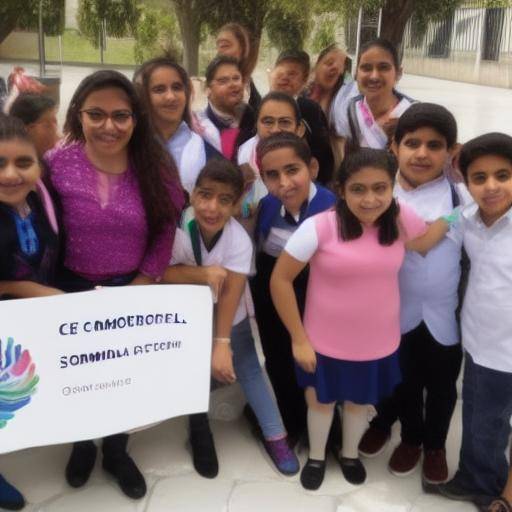
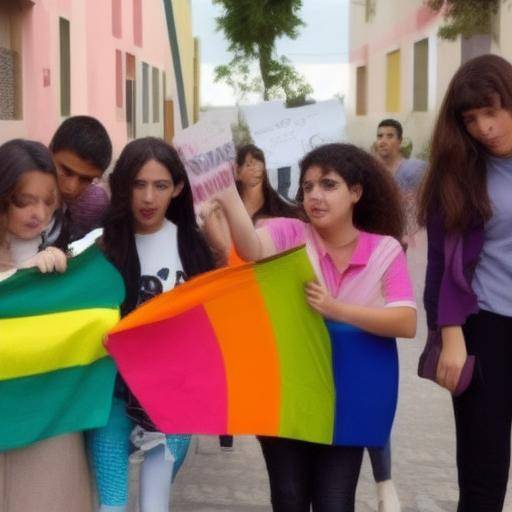
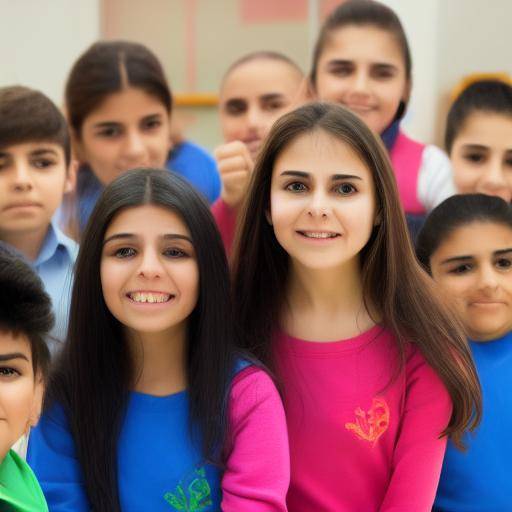
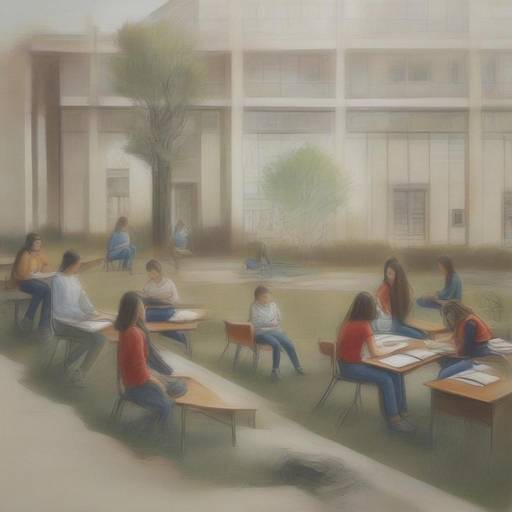
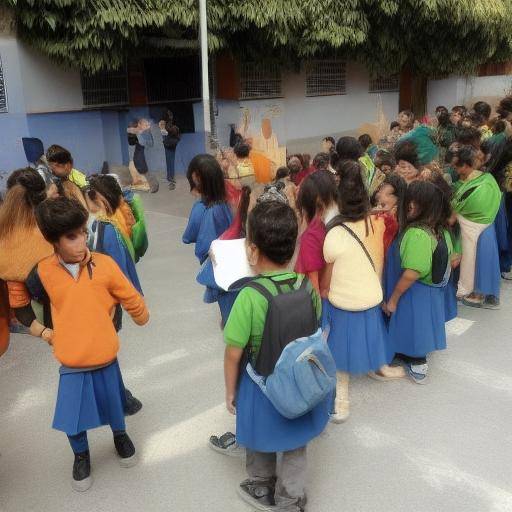
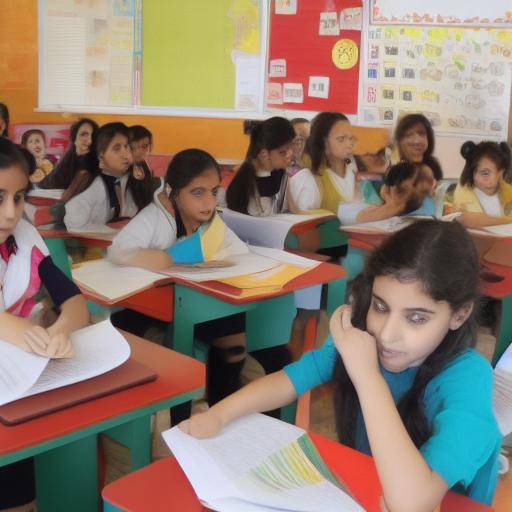
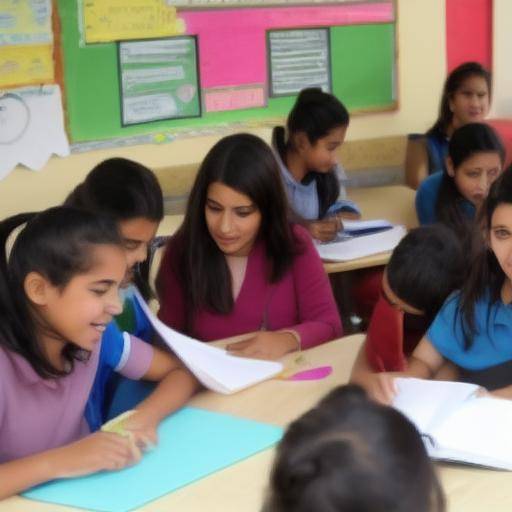
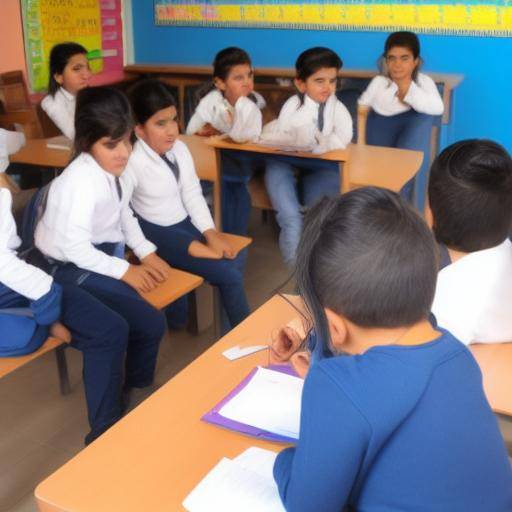
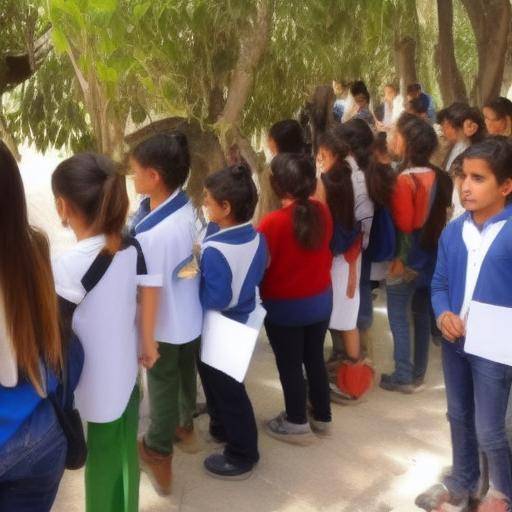
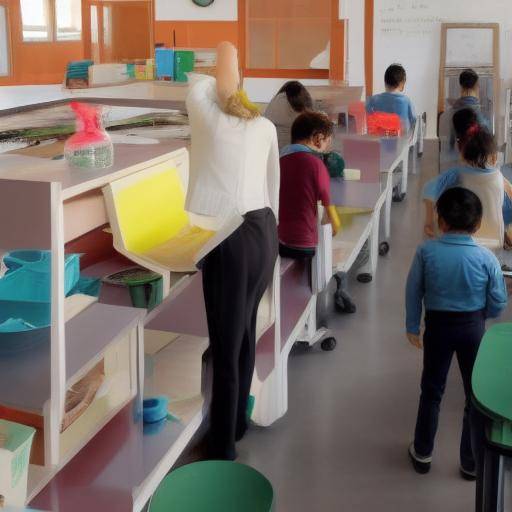
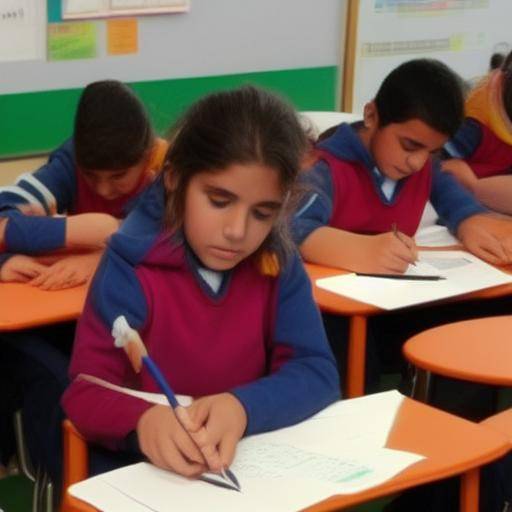
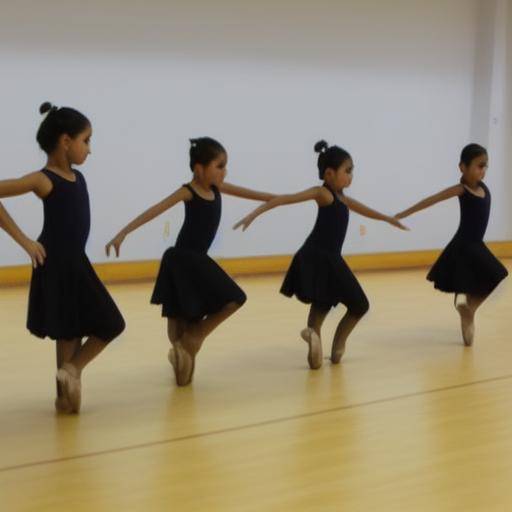
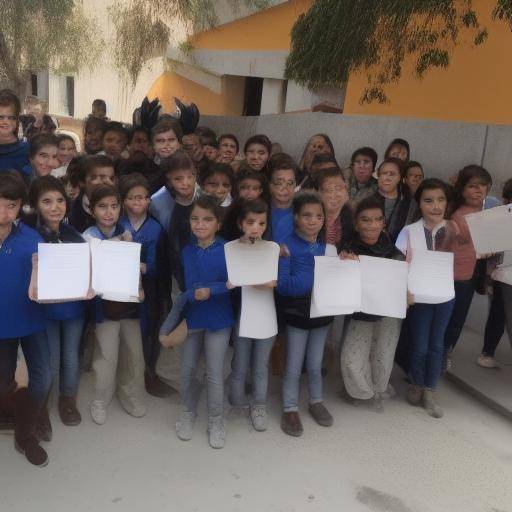
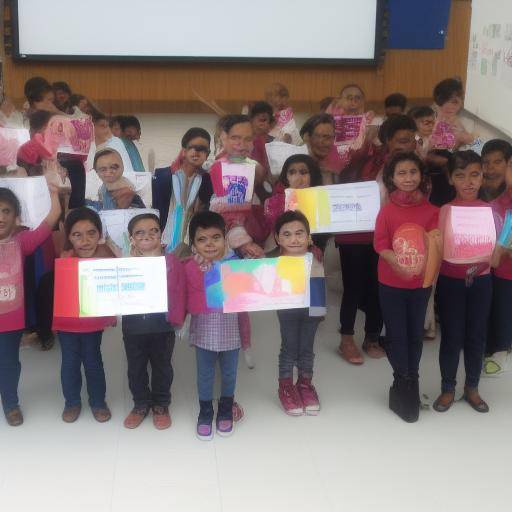
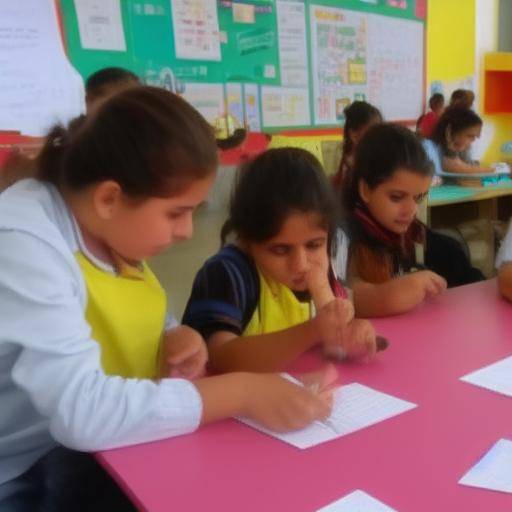
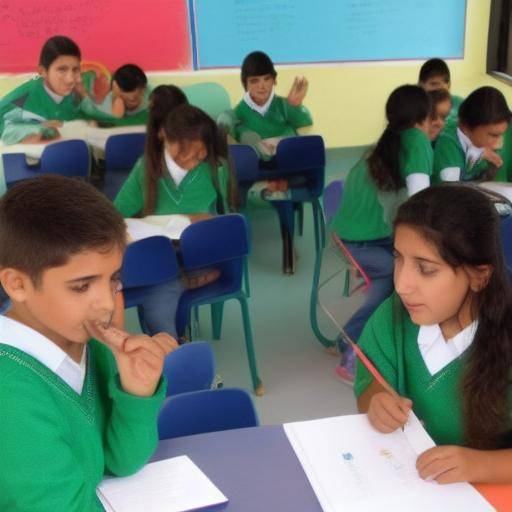
The celebration of cultural traditions at school is vital to foster diversity, promote intercultural respect and enrich student education. Through this article, we will explore the significance of celebrating cultural traditions in the educational environment, examine current challenges, benefits and trends, as well as provide practical advice and expert perspectives. In addition, we will compare the integration of cultural traditions in education and offer predictions on future trends. Join us on this journey through the celebration of cultural traditions at school!
History and Background
The integration of cultural traditions in the educational field has deep historical roots that go back to ancient civilizations where the transmission of knowledge was based on deep cultural practices. Over the centuries, education has evolved, and with it, the way cultural traditions are valued and celebrated. From the implementation of intercultural programmes to the adoption of cultural inclusion policies in schools, there has been a significant change in how cultural traditions are addressed in education.
In the twenty-first century, the recognition of cultural diversity has become a fundamental pillar in most educational systems, recognizing the importance of integrating cultural perspectives into the teaching and learning process.
Analysis in Deep
The integration of cultural traditions in classrooms not only enriches the educational environment, but also contributes to the formation of culturally conscious and respectful individuals. According to a study conducted by the United Nations Educational, Scientific and Cultural Organization (UNESCO), the inclusion of cultural traditions in education increases the self-esteem of students from different cultures and promotes mutual acceptance among them.
Despite these benefits, one of the key challenges in the celebration of cultural traditions at school is ensuring that they are addressed in an equitable and respectful manner. Lack of resources, the resistance to changing established educational practices and language barriers are just a few of the obstacles to successful integration.
Comprehensive review
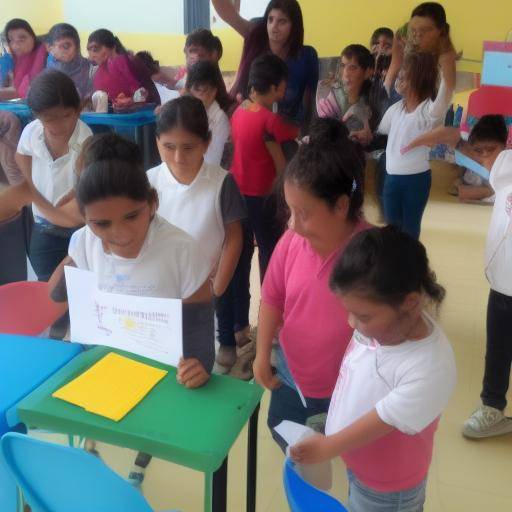
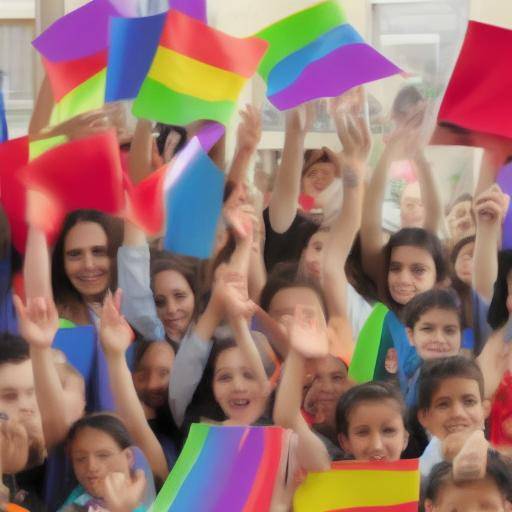
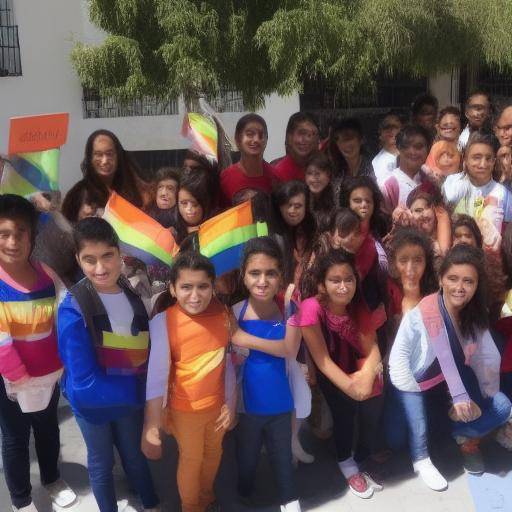
In order to carry out a meaningful celebration of cultural traditions at school, specific strategies are essential. Successful examples include the organization of cultural festivals, the incorporation of traditional music and dance in the curriculum, and participation in community activities that highlight the cultural wealth of each student.
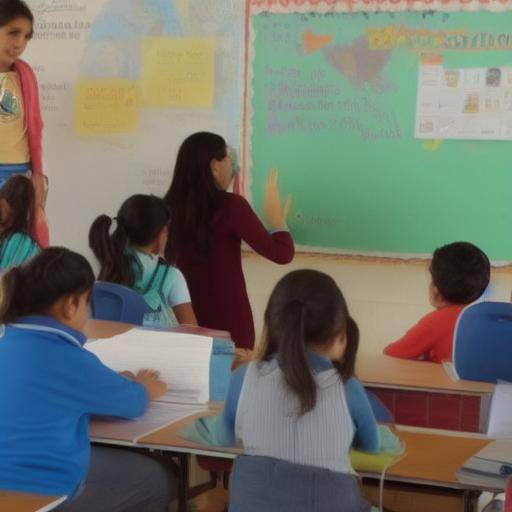
Multicultural education experts emphasize the importance of teachers being sensitive to the cultural differences of their students and able to effectively address them. In addition, close collaboration with local communities and parents ' participation are key elements for successful cultural traditions at school.
Comparative analysis
The celebration of cultural traditions at school is intrinsically connected with the concept of "celebrating diversity". While "celebrating" implies recognizing and honoring differences, "cultural traditions" represent the ancestral legacy of a society, and "school" constitutes the environment where learning is cultivated. Through the integration of these elements, schools can facilitate an enriching environment that promotes respect and appreciation of cultural diversity.
Practical Tips and Accessible Recommendations
How can schools effectively celebrate cultural traditions?
- Promote the participation of students in the organization of cultural events.
- Provide educational resources such as books and educational materials that reflect cultural diversity.
- Establish collaborations with local cultural organizations to enrich students' educational experiences.
Industry Perspectives and Expert Reviews
Maria García, an expert in intercultural education, emphasizes: "The celebration of cultural traditions at school is a crucial step towards building an inclusive and respectful society. Students who feel valued for their cultural heritage are more likely to thrive academically and contribute significantly to their community. "
Case Studies and Real Life Applications
In the "New Horizons" primary school, located in a multicultural community, an interdisciplinary approach has been implemented that integrates the cultural traditions of students into all subjects. As a result, there has been an increase in student self-esteem and increased participation in school activities.
Future Trends and Predictions
As globalization and cultural diversity continue to expand, the celebration of cultural traditions at school is expected to become even more important in the future. There is an increase in the adoption of educational approaches that promote intercultural understanding and diversity assessment.
Conclusions and FAQs
In short, the celebration of cultural traditions at school is essential to fostering an enriching and respectful educational environment. The effective integration of cultural traditions not only enriches the educational experience, but also prepares students to be conscious global citizens.
Frequently asked questions
1. Why is it important to celebrate cultural traditions at school?
The celebration of cultural traditions at school promotes inclusion, facilitates intercultural understanding and enriches the educational experience of students.
2. How can parents and the community participate in the celebration of cultural traditions at school?
Parents and the community can participate in organizing cultural events, sharing stories and traditions, and offering resources that reflect cultural diversity.
3. What challenges do schools face when integrating cultural traditions into the curriculum?
Some challenges include lack of resources, resistance to changes in established educational practices and language barriers.
4. How can teachers address cultural differences in the classroom?
Teachers can foster an environment of respect and understanding by incorporating diverse educational materials, promoting intercultural dialogue and recognizing the individuality of each student.
5. What benefits do students have when participating in the celebration of cultural traditions at school?
Students develop greater self-esteem, a sense of belonging and greater appreciation for cultural diversity.
6. What are some effective strategies for integrating cultural traditions into school?
The organization of cultural festivals, the inclusion of diverse educational resources and collaboration with local cultural organizations are effective strategies to celebrate cultural traditions at school.
In conclusion, the celebration of cultural traditions at school not only enriches educational experience, but also contributes to the formation of culturally conscious and respectful individuals. In fostering the inclusion and recognition of diversity, schools play a crucial role in promoting a multiculturally enriched society.