Cultural diversity significantly impacts social interaction in today's society. In understanding and appreciating cultural differences, people can broaden their perspective, promote inclusion and mitigate prejudices. In this article, we will explore in detail the benefits of cultural diversity in social interaction, history, current impacts and future projections.
Introduction
Cultural diversity refers to the multiplicity of values, beliefs, customs, languages, traditions and cultural expressions within a community or society. Social interaction, on the other hand, involves the exchange of ideas, experiences and emotions among individuals. In analyzing the intersection between these two realities, significant benefits for society and human development are revealed.
History and Background
Cultural diversity has been an inherent characteristic of humanity since time immemorial. From ancient trade routes to modern migrations, the interaction between different cultures has enriched the development of humanity. For example, the Silk Road facilitated the exchange of knowledge, products and customs between Europe and Asia, fostering cultural diversity. Likewise, with colonization and the slave trade, various cultures interwoven, giving rise to artistic expressions, gastronomy and unique language in the Americas, Africa and other regions.
Analysis in Deep
- Cultural Enrichment: Cultural diversity strengthens the identity of communities, promoting respect and tolerance for differences. For example, the coexistence of diverse cultures in cities such as New York or São Paulo has generated spaces of plurality and mutual enrichment, where music, art and gastronomy intertwine in a multicultural symphony.
- Innovation and Creativity: Social interaction between individuals of different cultural backgrounds fosters the generation of innovative ideas and creative solutions to common problems. Studies have shown that diverse work teams culturally have a greater capacity to think "out of the box" and find new alternatives.
- Social Skills Development: Cultural diversity provides the opportunity to learn and develop interpersonal skills, such as empathy, adaptability and effective communication, which are fundamental in social interaction.
Exhaustive examination
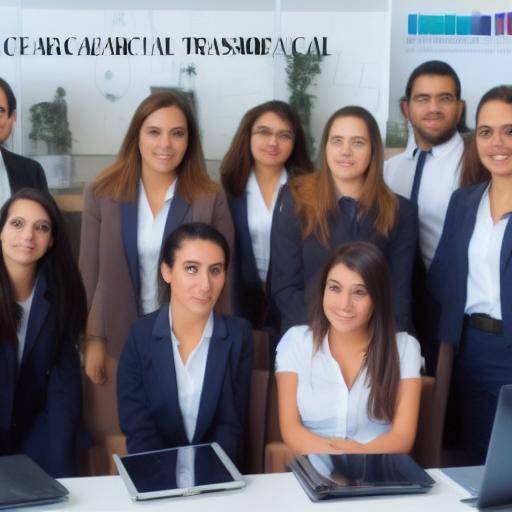
- Employment applications: Companies that promote cultural diversity within their work teams have competitive advantages in the globalized era. This is due to the wide range of perspectives and approaches that such diversity contributes to problem solving and decision-making.
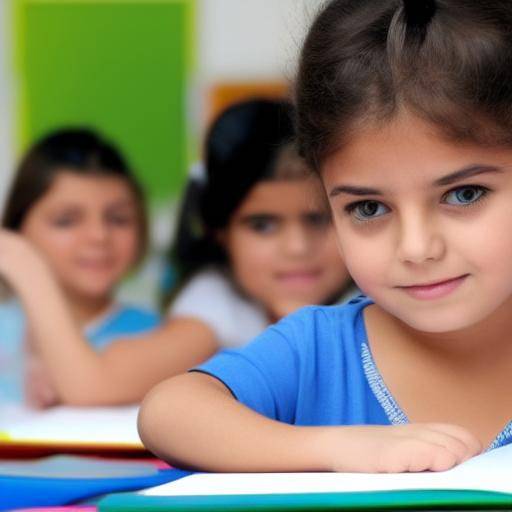
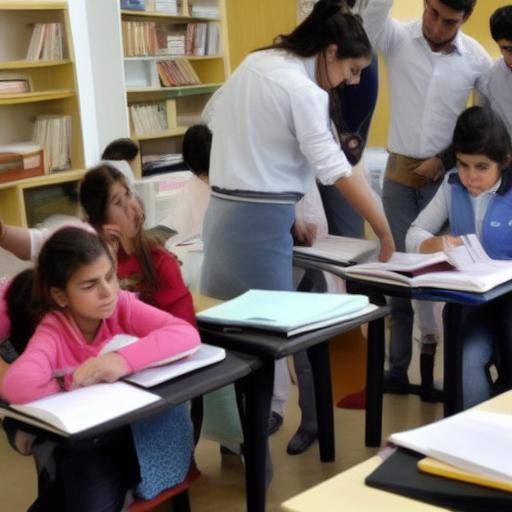
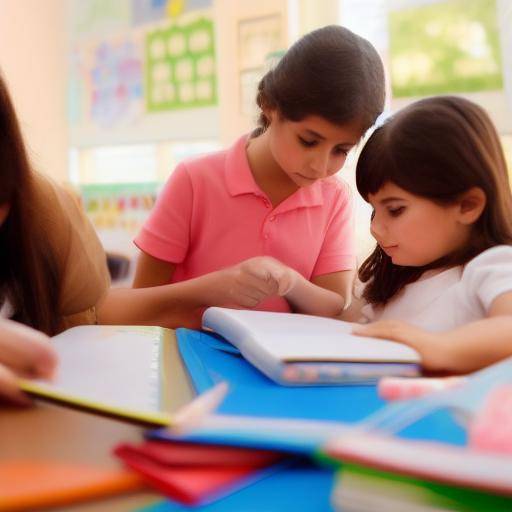
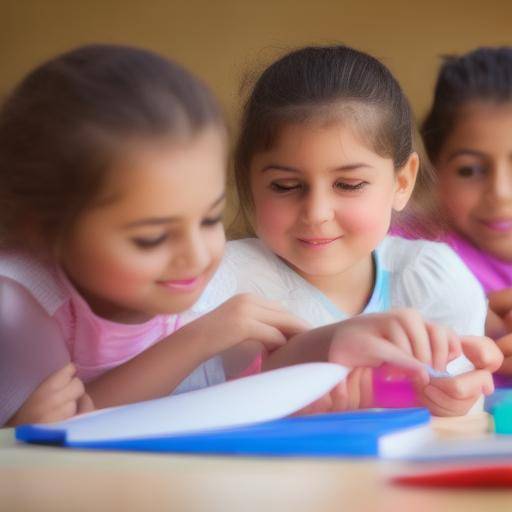
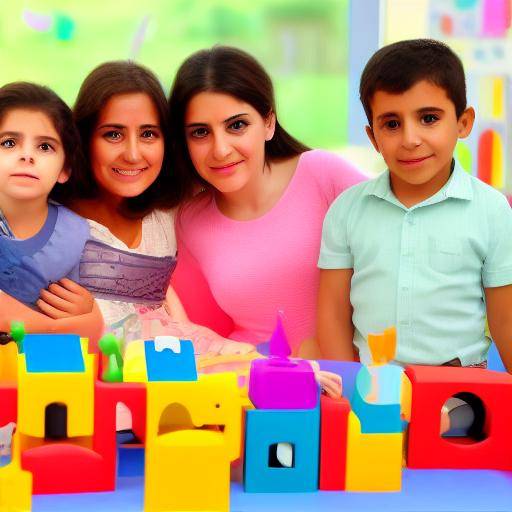
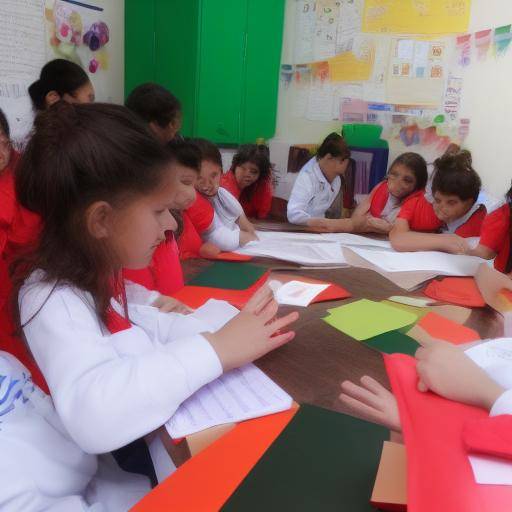
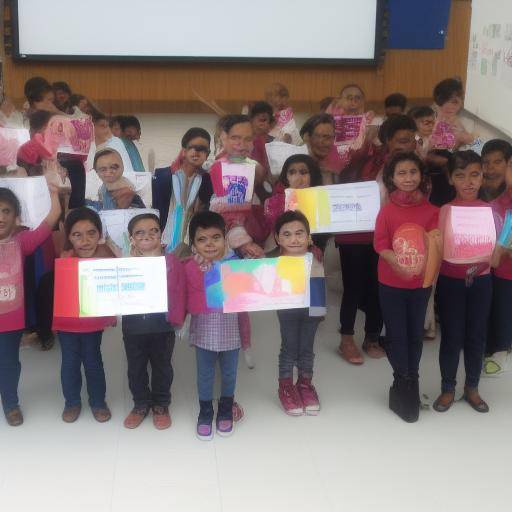
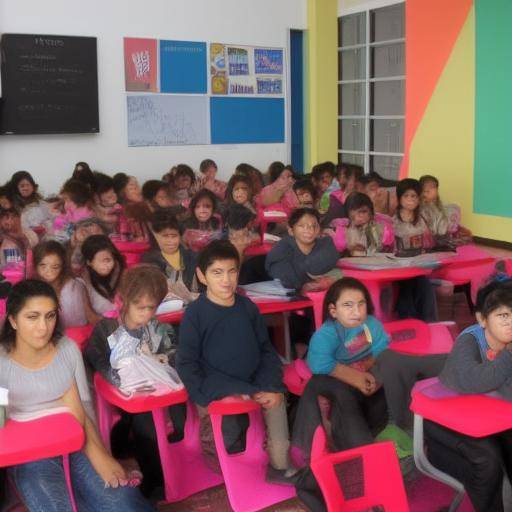
- Impact on Education: Cultural diversity in classrooms promotes intercultural understanding and empathy among students, creating an environment in which individuality is valued and mutual respect is encouraged.
- Social Harmony: In environments where diverse cultures coexist, practices can be encouraged to improve mutual understanding and peaceful coexistence, contributing to social cohesion and community development.
Comparative analysis
By comparing benefits, cultural diversity and social interaction, synergy and mutual reinforcement are evident. For example, cultural diversity enriches social interaction by presenting diverse perspectives, while social interaction is fundamental to understanding and assessing cultural diversity. Both concepts are complemented to enrich human experience and foster inclusive societies.
Practical Tips and Accessible Recommendations
- Promoting Active Participation: Organize community events that promote cultural diversity and encourage interaction between people from different backgrounds.
- Promoting Multicultural Education: Introduce educational programs that value and celebrate cultural diversity, instilling the importance of respectful and enriched social interaction.
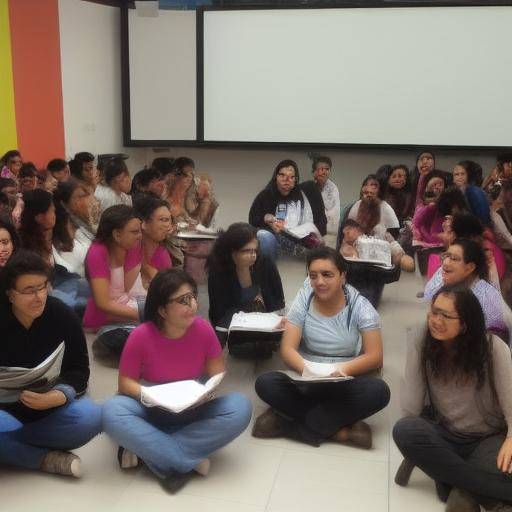
- Create Dialogue Spaces: Establish regular meetings where relevant topics on cultural diversity and social interaction can be discussed, fostering mutual understanding and sharing of experiences.
Perceptions of Industry and Expert Reviews
According to experts in social sciences, cultural diversity in social interaction is essential for building more inclusive and fair societies. In addition, in business, leaders and managers recognize the value of diverse teams to boost innovation and sustainable growth.
Case Studies and Real Life Applications
Case 1: Intercultural Festival in Barcelona
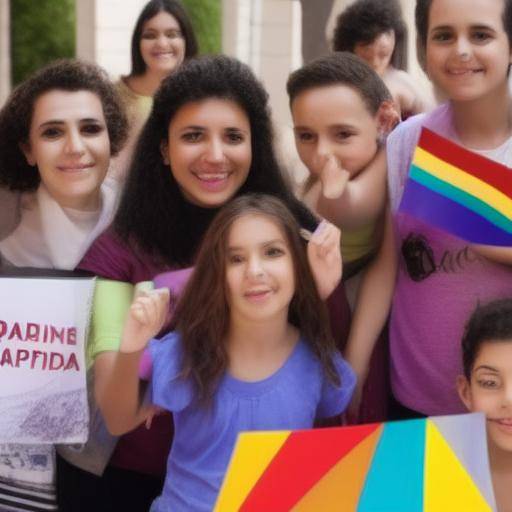
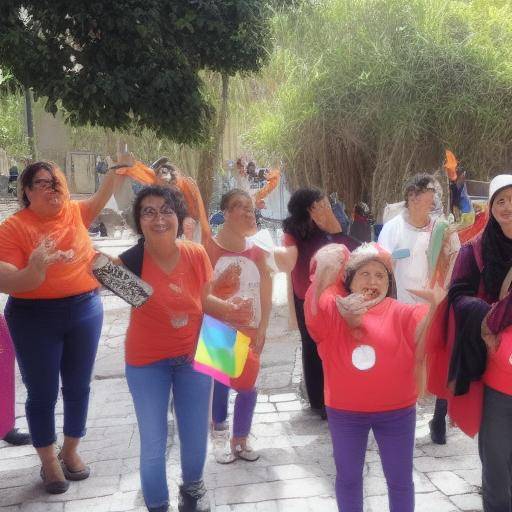
The Barcelona Intercultural Festival is an annual event that brings together people from various backgrounds to celebrate cultural diversity through music, gastronomy and artistic expressions. This event has strengthened community ties and promoted understanding among different cultural groups in the city.
Case 2: Cultural Exchange Program in Japan
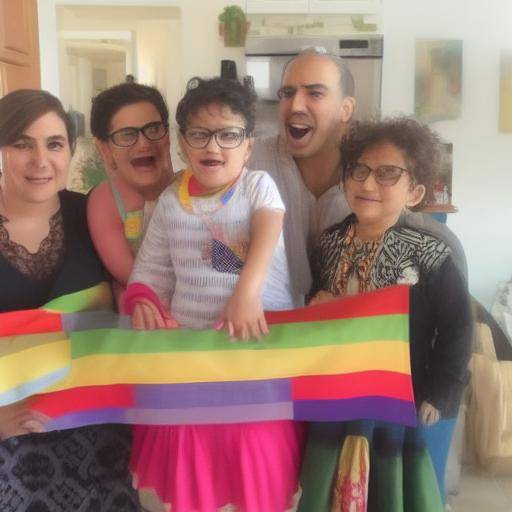
A cultural exchange program in Japan has allowed international students to live with Japanese families, share their culture and learn from local culture. This experience has enriched both participants and host communities, promoting mutual understanding and appreciation for cultural diversity.
Future Trends and Predictions
Globalization, migration and technological innovations are expected to continue to foster global cultural diversity and social interaction. In addition, there is a greater emphasis on the assessment of cultural diversity in labour and educational settings, as well as the emergence of initiatives that promote intercultural integration in diverse communities.
Conclusion
Cultural diversity enriches social interaction by promoting understanding, empathy and creativity among individuals of different origins. By assessing and fostering cultural diversity, societies can experience significant benefits in terms of intellectual, social and economic development. Respectful and enriching social interaction can serve as a bridge for building inclusive and harmonious communities.
FAQs
What are the benefits of promoting cultural diversity in working environments?
Promoting cultural diversity in working environments can boost innovation, improve decision-making and strengthen the company's reputation as an inclusive and equitable employer.
How can positive social interaction be encouraged among people from different cultures?
Promoting intercultural events, exchange programs, and open dialogue spaces can foster positive social interaction among people from different cultures, promoting inclusion and mutual understanding.
What is the impact of cultural diversity on education?
Cultural diversity in education can enrich educational experience by fostering intercultural understanding, promoting respect and tolerance, and preparing students to live in a globalized world.
What is the importance of social interaction in the integration of people from different cultures?
Social interaction is essential for the integration of people from different cultures, as it facilitates the exchange of ideas, experiences and knowledge, promoting social cohesion and mutual understanding.
What are the challenges associated with cultural diversity in the workplace?
Some challenges associated with cultural diversity at the workplace include intercultural communication, cultural conflict management and the creation of an inclusive environment that values differences.
What are the emerging trends in promoting cultural diversity?
Emerging trends include training programmes in diversity and inclusion, the implementation of cultural diversity policies in organizations, and the measurement of the impact of diversity on business results.