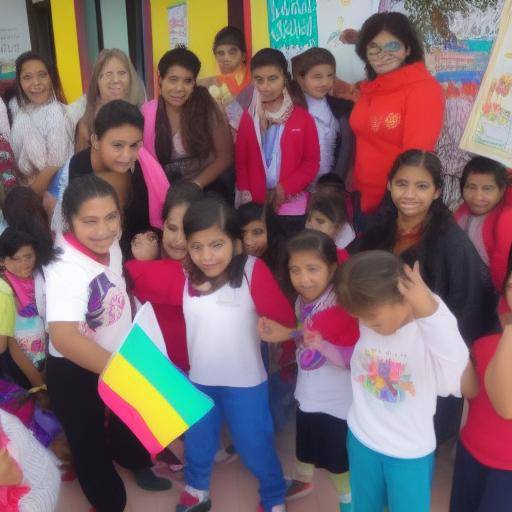
Cultural diversity is a crucial component in building vibrant and prosperous societies. Throughout history, interaction between diverse cultures has enriched social development, fostering creativity, tolerance and mutual understanding. In this article, we will explore the inherent benefits of cultural diversity in social development, examining its positive impact in different fields and offering a comprehensive view of its importance in the current world. Through detailed analyses, practical examples, future trends and applicable councils, we will discover how cultural diversity has a positive impact on society, promoting equity, innovation and sustainable development.
Benefits of Cultural Diversity in Social Development: A Deep Perspective
Introduction
Cultural diversity, understood as the coexistence of different cultures and traditions in a common environment, is a fundamental pillar of social development. This phenomenon has influenced various areas, from the economy to art and politics, generating a significant impact on how societies are structured and evolved. Understanding the tangible and intangible benefits of cultural diversity in social development is essential for fostering inclusive and resilient societies.
History and Background
Cultural diversity has been an intrinsic characteristic of humanity throughout history. From ancient trade routes to contemporary migrations, intercultural exchange has been a key driver of progress and evolution. In the current era, globalization has facilitated greater cultural mestizaje, stimulating transnational connections that have influenced the arts, gastronomy, religious beliefs and how people interact.
Case Study: The Silk Road
An emblematic example of the influence of cultural diversity on social development is the old system of trade routes of the Silk Road. For centuries, this intercontinental corridor facilitated trade and knowledge transfer between Asia, Europe and Africa. This exchange had a profound impact on commercial practices, artistic expressions and the diffusion of philosophical and religious ideas, shaping the cultures involved in a lasting manner.
Analysis in Deep
Tangible benefits
Cultural diversity enriches the social fabric by fostering innovation and knowledge-sharing. In environments where multiple perspectives converge, there is a breeding ground for creativity and collaborative problem solving. This dynamism translates into scientific, technological and economic advances that benefit society as a whole.
Intangible benefits
Beyond tangible achievements, cultural diversity promotes mutual understanding and peaceful coexistence. By exposing people to different forms of life and values, diversity promotes empathy and respect among individuals from different backgrounds. This mutual understanding is essential to building inclusive societies where each individual feels valued and empowered.
Relevant statistics: In countries with greater cultural diversity, there is greater tolerance and a stronger sense of community. This phenomenon has been demonstrated by numerous studies that highlight the social benefits of cultural diversity.
Comprehensive review
Applications in the Contemporary World
In the digital era, cultural diversity has acquired a unique global dimension. Social networks, cultural exchange platforms and transnational movements have broadened the diffusion of cultural ideas and expressions, enriching the sociocultural landscape unprecedentedly.
Expert perspective: Dr. Eva Gutiérrez, an anthropologist and expert in cultural diversity, says: "Digital globalization has opened new possibilities for cultural expressions to transcend physical borders, allowing communities to share their cultural riches in a wider and deeper way."
Best Practices and Lessons Learned
Learning from past experiences is essential to understanding how cultural diversity can enhance social development. Success cases and effective strategies can serve as a guide to promoting positive interaction between cultures and maximizing associated benefits.
Comparative analysis
Synergies and Differences
The intersection of different cultures and values systems can generate frictions, but also unique opportunities for growth and mutual enrichment. Explore the similarities and differences between cultures allows us to identify points of convergence and understand how these divergences can fuel creativity and solidarity.
Practical Tips and Accessible Recommendations
Fostering Interactive Dialogue
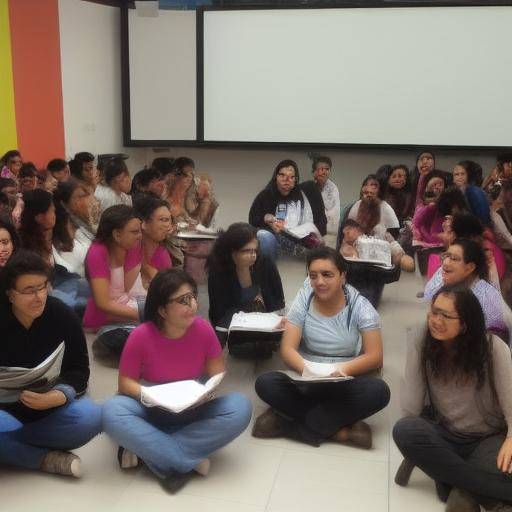
Promoting intercultural meeting spaces, whether at the community, educational or labour levels, is essential to foster mutual understanding and respect for diversity. Initiatives to facilitate intercultural dialogue, such as festivals, cultural exchanges and mentoring programmes, can strengthen social ties and contribute to community cohesion.
Industry Perspectives and Expert Reviews
Impact on Business Sectors
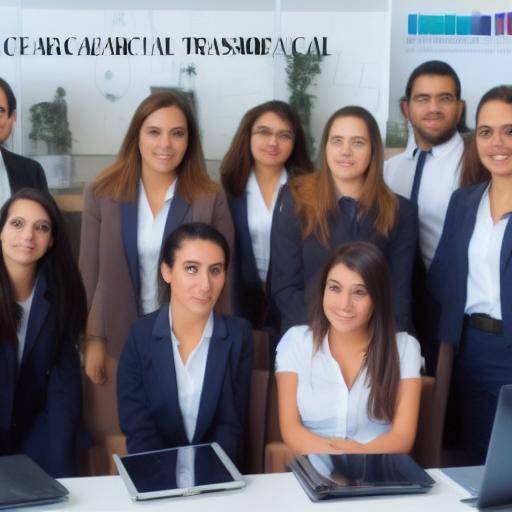
Cultural diversity has not only social but also economic implications. Companies that value and promote diversity in their teams are often more innovative and resilient. In addition, cultural diversity can improve the understanding of global markets and the ability to adapt to diverse environments.
Interview with an expert: Fernando Velázquez, director of human resources of a multinational company, says: "Cultural diversity in the working environment not only enriches our internal relations, but also allows us to better understand the needs of our customers in different parts of the world, which translates into more effective and sustainable business strategies."
Case Studies and Practical Applications
Contributions to Social Innovation
In many contexts, cultural diversity has been a catalyst for social innovation. By integrating diverse knowledge and approaches, communities can address common challenges more effectively, stimulating sustainable development and equity.
Future Trends and Predictions
Emerging Challenges and Opportunities
As global interconnection is intensified, cultural diversity will continue to shape social development. However, effective management of cultural diversity, as well as mitigation of potential conflicts, will require sound strategies and increased awareness of their importance in the public and private spheres.
Conclusion
Cultural diversity is an invaluable asset that drives social development towards greater equity, innovation and cohesion. Recognizing and assessing multiple cultural perspectives and expressions, societies can strengthen their social fabric and foster an enabling environment for collective progress.
Frequently asked questions
Why is it important to promote cultural diversity in social development?
Promoting cultural diversity in social development is crucial because it promotes inclusiveness, innovation and mutual understanding. By incorporating different perspectives and life forms, societies can enrich each other and build a solid foundation for sustainable progress.
How can communities foster intercultural integration?
Communities can foster intercultural integration through collaborative activities, inclusive educational programmes and intercultural meeting spaces. Promoting dialogue and mutual understanding is essential to building harmonious and dynamic societies.
What are the challenges associated with cultural diversity in social development?
While cultural diversity offers countless benefits, it can also pose challenges, such as intercultural conflicts and linguistic barriers. Managing these challenges requires a holistic approach that promotes equal opportunities and mutual respect.
What role do public policies play in promoting cultural diversity?
Public policies play a key role in establishing legal frameworks and programmes that promote cultural diversity. These policies may include measures to ensure equal rights and opportunities, as well as support for intercultural initiatives that promote social cohesion.
How can cultural diversity impact the economy and entrepreneurship?
Cultural diversity can boost the economy by fostering innovation, creativity and openness to new markets. Companies with diverse teams tend to be more innovative and adaptable, giving them a competitive advantage in a globalized environment.
What is the role of education in promoting cultural diversity?
Education plays a crucial role in promoting cultural diversity by fostering understanding, respect and appreciation of cultural differences. Educational institutions can promote intercultural literacy and awareness to empower future generations with the ability to live together in diverse and global societies.
What are some effective strategies for managing cultural diversity in working environments?
Some effective strategies include promoting diversity in recruitment and training, creating an inclusive working environment and implementing intercultural awareness programmes. Effective management of cultural diversity benefits employees, promotes innovation and strengthens organizational commitment.
In short, cultural diversity not only enriches societies in terms of creativity, innovation and cohesion, but also promotes equity and mutual understanding. By assessing and fostering diversity, societies can trace a path to sustainable and harmonious social development, where all people have the opportunity to prosper in an inclusive and diverse environment. Cultural diversity is a transformative force that, when effectively managed, can drive progress towards a more equitable and prosperous future.