Cultural diversity in family coexistence is a subject of great importance in modern society. As the world becomes increasingly interconnected, families encounter the wonderful opportunity to merge different cultural backgrounds in their homes. This convergence of cultures not only enriches family experience, but also provides a number of significant benefits. In this article, we will explore in detail the benefits of cultural diversity in family coexistence, as well as its impact on education, the development of children, and the promotion of intercultural understanding.
Benefits of Cultural Diversity in Family Convivence
Introduction
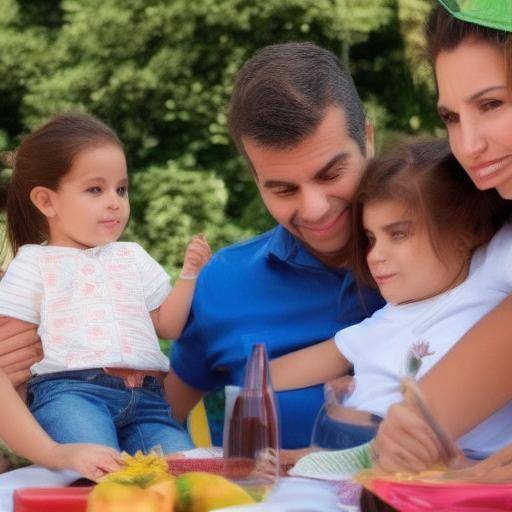
Cultural diversity within a family environment has proven to be beneficial in several key aspects. By exposing family members to different traditions, customs, languages and perspectives, an environment of continuous learning is encouraged that enriches the life experience of all those involved. In addition, multicultural family coexistence can foster respect, empathy, and mutual understanding, thus creating a solid basis for healthy and lasting family relationships.
History and Background
Cultural diversity in family coexistence has roots dating back to ancient history, where migrations and cultural exchanges have been an integral part of the evolution of human societies. In modern times, globalization has accelerated this process, which has led families to meet people of different ethnic, religious and linguistic backgrounds living together under the same roof.
Detailed Analysis
Multicultural family coexistence can be enriching in many respects. Exposure to different ways of seeing the world promotes mental openness, adaptability and ability to appreciate diversity in all its forms. These are fundamental values that help family members navigate an increasingly interconnected world, where intercultural understanding is crucial for personal and professional success.
Exhaustive examination
Cultural diversity in family coexistence not only enriches life experience, but also provides tangible benefits in the development of children. By growing in a multicultural environment, children have the opportunity to develop advanced linguistic skills, a deeper understanding of cultural multiplicity and a greater emotional resilience. These are invaluable attributes that prepare them to prosper in a diverse and globalized world.
Comparative analysis
The contrast between different cultures within family coexistence creates an environment of continuous learning, where tolerance and mutual respect are encouraged. These qualities are essential for the development of healthy and harmonious relationships, not only within the home, but also in society at large. The promotion of cultural diversity in family coexistence lays the foundation for building more inclusive and respectful communities.
Tips and Suggested Actions
To foster positive multicultural family coexistence, it is essential to establish an environment of respect and appreciation for cultural differences. Promoting active participation in the traditions and customs of each family member, as well as fostering the exploration and celebration of cultural diversity, are practices that strengthen family ties and foster a sense of shared belonging.
Industry Perspectives and Expert Reviews
Experts agree that cultural diversity in family coexistence is a force for good, with the potential to shape a more inclusive and compassionate society. They also point out that instilling a deep understanding of cultural diversity from an early age can have a lasting impact on how individuals interact with the world around them.
Cases of Study and Applications in Real Life
The impact of cultural diversity on family coexistence can be seen in many cases of study that highlight how families can flourish and prosper by embracing and celebrating their cultural differences. These examples vividly illustrate the benefits of raising children in an environment that values and respects diverse cultures, preparing them to become global citizens capable of contributing positively to a diverse and constantly evolving world.
Future Trends and Predictions
As the world continues to evolve towards greater global interconnection, cultural diversity in family coexistence is expected to play an even more crucial role in promoting tolerance, understanding and mutual respect. The ability to adapt and thrive in multicultural environments will be an invaluable skill in the future, and families that foster cultural diversity will be preparing future generations to embrace and take advantage of the opportunities offered by a diverse and constantly changing world.
Conclusions and FAQs
Conclusions
Cultural diversity in family coexistence is a blessing that enriches the lives of its members and fosters intercultural understanding. By embracing and celebrating cultural differences, families can build stronger ties based on mutual respect and mental openness.
Frequently asked questions
- What are some of the challenges of raising a multicultural family?
- Answer: Some challenges may include managing different traditions and customs, as well as effective communication given linguistic diversity.
- How can we encourage respect for cultural diversity within the family?
- Answer: Promote education on different cultures, actively engage in the traditions of each family member and encourage openness to dialogue and understanding.
- What concrete benefits do children grow in a multicultural environment?
- Answer: Children growing in a multicultural environment can develop advanced linguistic skills, increased emotional resilience and a deeper understanding of cultural diversity.
- How can families manage the balance between their own cultural traditions and new cultural influences?
- Answer: Establishing an open and respectful dialogue is fundamental, as well as providing opportunities to celebrate both cultures equitably.
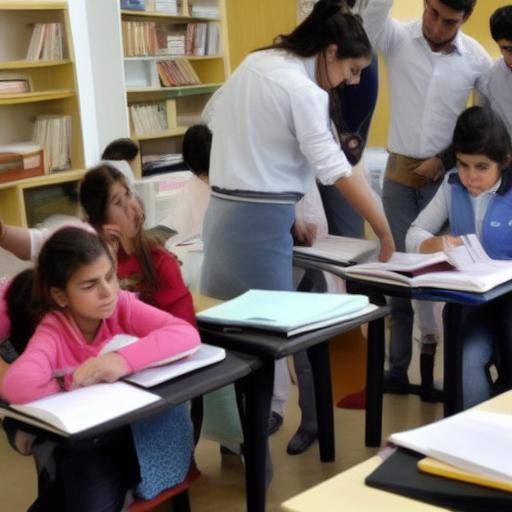
- What is the importance of cultural diversity in the education of children?
- Answer: Cultural diversity in education prepares children to live in a diverse world, fostering mental openness, empathy and intercultural understanding.
- How does cultural diversity affect the development of interpersonal relationships in the family?
- Answer: Cultural diversity fosters tolerance, mutual respect and mental openness, creating stronger and more meaningful interpersonal relationships.
In short, cultural diversity in family coexistence entails a number of significant benefits ranging from the development of intercultural skills to the promotion of sound and respectful family relationships. By embracing cultural diversity, families can build a bridge towards a more understanding and enriching future for generations to come.