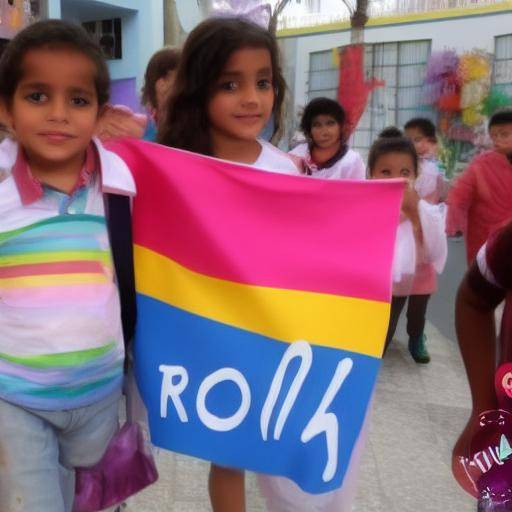
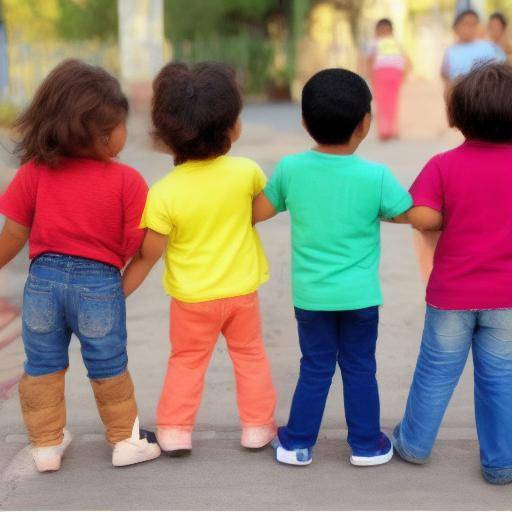
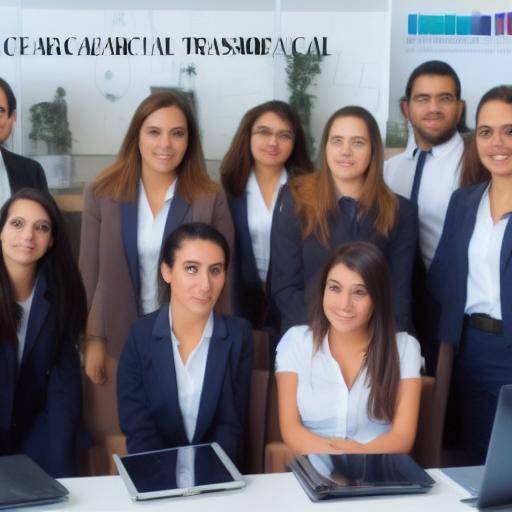
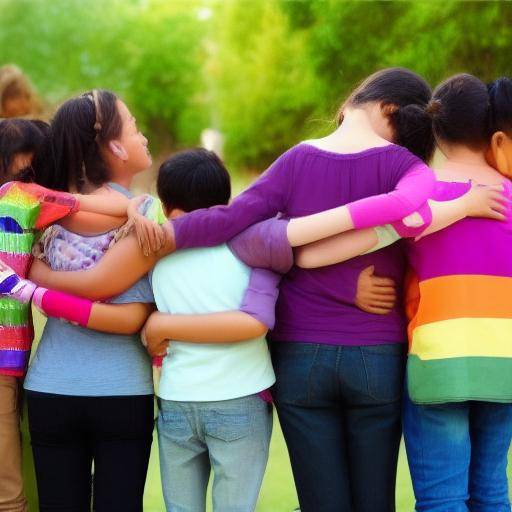
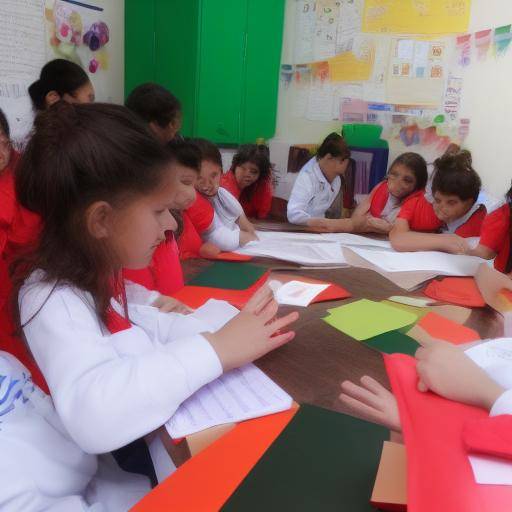
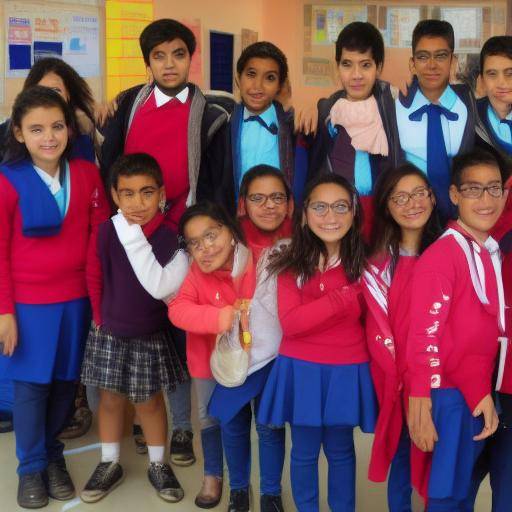
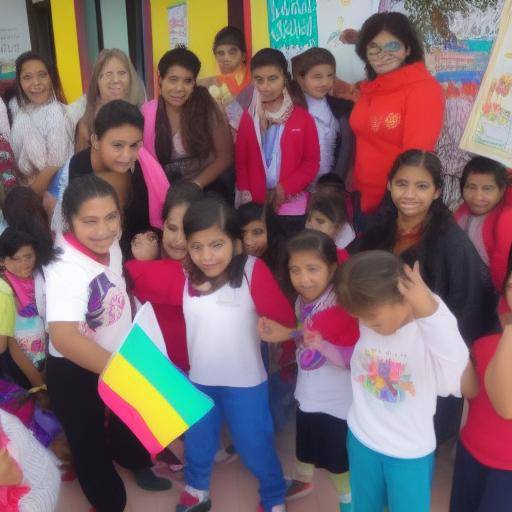
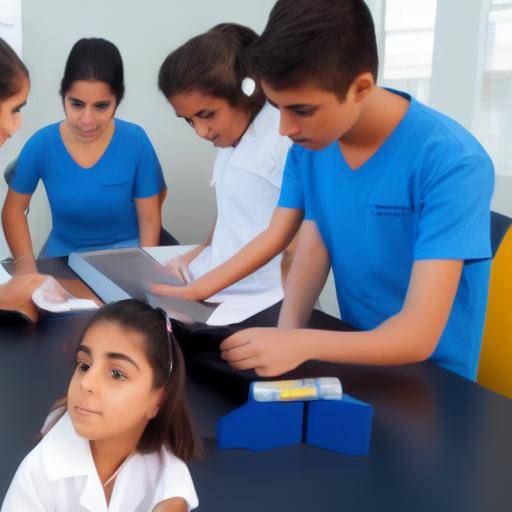
Cultural diversity in collaborative learning is a growing issue in the current global context. The interaction between people of different cultural backgrounds in collaborative learning environments not only enriches the educational experience, but also provides a number of significant benefits for participants. In this article, we will explore in detail the benefits of cultural diversity in collaborative learning, analyzing its impact, challenges and current trends. We will also provide practical advice, industry insights, case studies and future predictions, with the objective of providing a comprehensive and up-to-date view on this topic of growing relevance.
Introduction
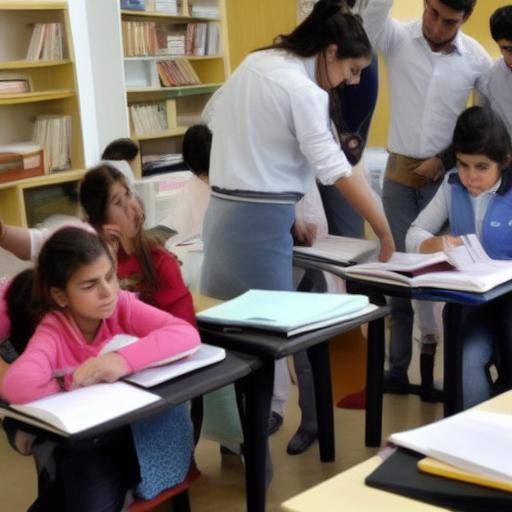
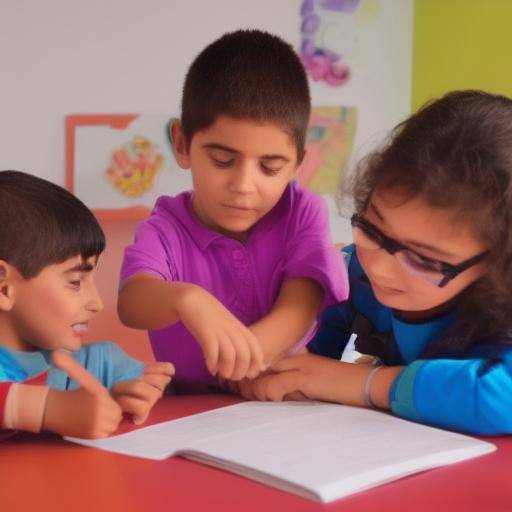
Collaborative learning, in which students work together in learning activities, promoting positive interdependence, face-to-face interaction, the development of interpersonal skills and academic achievement, has proven to be an effective strategy to achieve various educational goals. However, when cultural diversity is incorporated into this environment, the benefits of collaborative learning are significantly amplified.
History and Background
The concept of collaborative learning dates back to the first philosophers and educators, but their integration with cultural diversity begins to gain relevance in the context of globalization and the growing interconnection between societies and cultures. Cultural diversity in educational settings has been recognized as a source of enrichment and growth, breaking barriers and promoting intercultural understanding.
Analysis in Deep
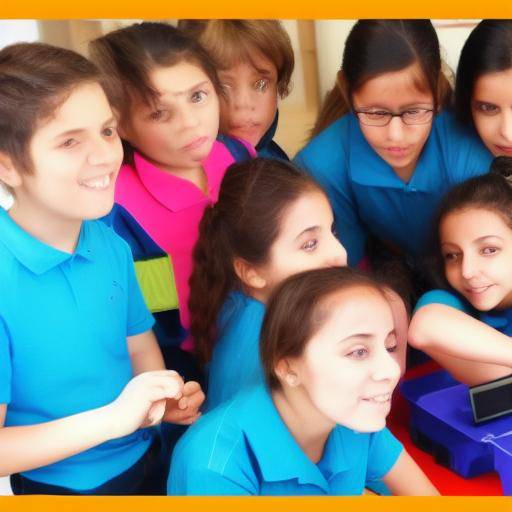
Collaborative learning enriched with cultural diversity offers a number of benefits, including greater creativity, improved critical thinking, diverse perspectives, cultural empathy and greater preparation for life in an interconnected world. However, it also presents challenges such as managing cultural conflicts and equity in participation.
Exhaustive examination
The rise of cultural diversity in collaborative learning has led to the exploration of best practices and innovative approaches. Education experts have advocated the implementation of specific strategies to promote equal participation and mutual respect in culturally diverse environments.
Comparative analysis
To compare the benefits of collaborative learning in culturally diverse environments with other educational approaches is essential to understanding their unique impact. Freedom of expression and diversity of opinions enrich discussions and problem solving in multi-diverse groups.
Practical Tips and Accessible Tips
To maximize cultural diversity in collaborative learning, it is crucial to adopt a number of practical approaches. These include promoting cultural self-consciousness, facilitating a safe and respectful learning environment, and promoting inclusive collaboration.
Industry Perspectives and Expert Reviews
Education professionals and industry leaders have expressed a consensus on the importance of integrating cultural diversity into collaborative learning. Their experience and knowledge provide a valuable insight into the effective implementation of educational strategies in culturally diverse environments.
Case Studies and Practical Applications
The inclusion of case studies, which illustrate the successful implementation of cultural diversity in collaborative learning environments, provides an enriching perspective on its impact and effectiveness in various educational contexts.
Future Trends and Predictions
As the world continues to evolve towards greater interconnection and diversity, the role of cultural diversity in collaborative learning is expected to remain fundamental. Predictions indicate an increase in the adoption of culturally inclusive educational approaches.
Conclusion
In short, cultural diversity in collaborative learning is a powerful tool to enrich educational experience and prepare students for a diverse and globalized world. The benefits it provides are significant and fundamental to the academic and personal development of students. By understanding and harnessing these benefits, educators and students can contribute to building more enriching, inclusive and effective learning environments, preparing future generations to meet the challenges and seize the opportunities of an increasingly diverse world.
Frequently asked questions
Why is cultural diversity important in collaborative learning?
Cultural diversity in collaborative learning is important because it enriches the educational experience by offering diverse perspectives, promoting empathy and inclusion, and preparing students for an interconnected global society.
What are the specific benefits of cultural diversity in collaborative learning?
Specific benefits include greater creativity and critical thinking, the development of intercultural skills, the promotion of cultural empathy and the preparation for life in a diverse society.
How can educators foster inclusion and equitable participation in culturally diverse environments?
Educators can promote inclusiveness and equitable participation through the establishment of norms of mutual respect, the promotion of cultural self-consciousness, the creation of safe and respectful environments, and the implementation of strategies that value the diverse perspectives of students.
What are the challenges that arise when incorporating cultural diversity in collaborative learning?
Some challenges include the management of cultural conflicts, equity in participation and the need for awareness-raising and continuous training for educators in culturally diverse environments.
Are there effective strategies to integrate cultural diversity into collaborative learning?
Yes, there are effective strategies that include the promotion of intercultural dialogue, the allocation of collaborative projects that promote understanding and appreciation of cultural differences, and the establishment of an inclusive culture in the classroom.
What is the importance of cultural diversity in the current context of globalization?
In the current context of globalization, cultural diversity in collaborative learning is critical to preparing students to effectively interact and work in an increasingly diverse and globalized society.
In conclusion, cultural diversity in collaborative learning offers a wide range of benefits that enrich the educational experience and prepare students for a diverse and interconnected world. With the implementation of effective strategies to promote inclusion and mutual respect, cultural diversity can be a source of enrichment and growth for both educators and students. This educational approach brings significant value to the learning process, strengthening the preparation of individuals to interact in a diverse and globalized world.