Currently, the promotion of inclusion and diversity is a topic of great relevance in society and the educational field. The integration of inclusive practices and the valuation of diversity contribute not only to the creation of more equitable environments, but also to the enrichment of human experience in all areas. In this article, we will explore a variety of activities that can be implemented to promote inclusion and diversity, as well as their impact on education and other contexts.
History and Background
To understand the importance of promoting inclusion and diversity through activities, it is essential to address its historical foundations. These concepts have deep roots that go back to different times and cultural contexts. From the struggle for civil rights to the evolution of social consciousness, the history of inclusion and diversity is rich and complex.
During the twentieth century, social movements around the world, such as the civil rights movement in the United States and the feminist movement, laid the foundation for greater awareness of equality and diversity. In the field of education, the integration of students with special needs in regular schools marked a significant milestone in progress towards inclusion. These historic events have laid the foundation for contemporary efforts to promote inclusion and diversity through meaningful activities.
In order to deepen these ideas, it is important to highlight the pioneering work of key figures, such as Martin Luther King Jr., Nelson Mandela and Malala Yousafzai, whose contributions and struggles have laid the basis for continuing efforts to promote inclusion and diversity around the world.
Over the years, the evolution of inclusive policies in different countries and sectors has contributed to greater recognition of the importance of diversity and inclusion. Measures such as the implementation of anti-discrimination laws and the promotion of gender equity and cultural diversity have been crucial in promoting more inclusive and diverse environments.
Significant Historical Examples
A prominent example of a historic milestone in the promotion of inclusion and diversity is the adoption of the Americans with Disabilities Act (ADA) in 1990, which established measures to ensure accessibility and equity for persons with disabilities in the United States. This law represented a significant step forward in the struggle for the inclusion of persons with disabilities in society and the working environment.
The creation of the Universal Declaration of Human Rights in 1948 also marked a crucial moment in the global recognition of equality and diversity. This historic document established fundamental principles on human rights, addressing issues of discrimination and social justice worldwide.
Analysis in Deep
Promoting diversity and inclusion through activities entails a number of significant benefits, as well as challenges that need to be effectively addressed. Understanding these aspects is critical to implementing successful strategies that promote inclusion and diversity in various contexts, including education.
Benefits
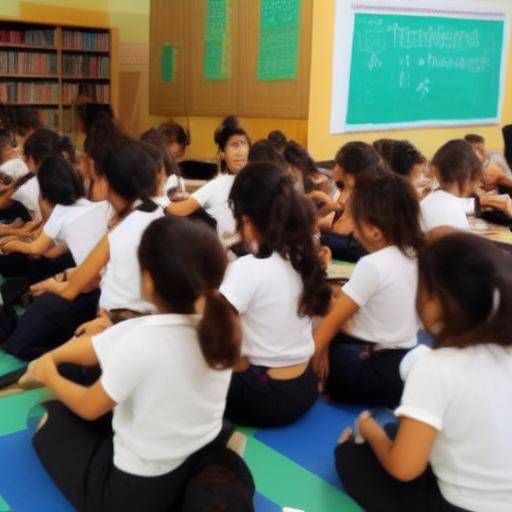
The embrace of diversity and the promotion of inclusion through appropriate activities lead to a number of tangible and qualitative benefits. In educational settings, the inclusion of activities focused on cultural diversity and gender equity fosters a climate of mutual respect and intercultural understanding. Students have the opportunity to learn about different cultures, traditions and perspectives, which enriches their education and fosters an open and comprehensive mentality.
In addition, the promotion of inclusion in educational and labour environments fosters a sense of belonging and valuation, which contributes significantly to the emotional and psychological well-being of individuals. Students and professionals feel more accepted and appreciated, which in turn drives an increase in self-esteem and motivation.
Challenges
Despite the obvious benefits, the promotion of inclusion and diversity through activities also presents significant challenges. These challenges can be manifested in the form of cultural resistance, lack of adequate resources, or the need to address entrenched prejudices and stereotypes. The effective implementation of inclusive activities requires continued commitment and the ability to overcome obstacles to ensure their long-term success.
It is crucial to recognize and address these barriers, as the real transformation towards genuine inclusion and the valuation of diversity can only be achieved through a holistic and proactive approach.
Comprehensive review
The comprehensive analysis of specific activities applications to promote inclusion and diversity provides valuable information on best practices, potential challenges and opportunities for improvement.
Practical Applications
An effective strategy to promote inclusion and diversity through activities is the implementation of workshops and awareness programmes. These initiatives enable participants to understand the importance of diversity and inclusion, as well as to acquire practical skills to foster more equitable and respectful environments.
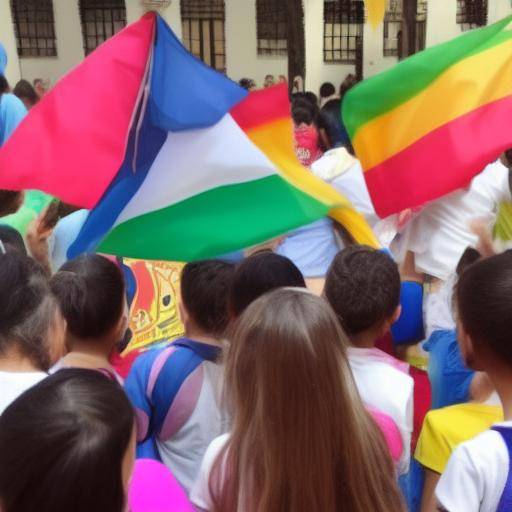
In addition, the organization of cultural events, such as festivals and traditional celebrations, offers a platform to celebrate and value cultural diversity, fostering an inclusive sense of community and strengthening links between people of different origins.
Best Practices
The incorporation of diversity in the educational curriculum is an effective practice to promote inclusion and equity. By integrating multicultural perspectives and diverse experiences into the curriculum, educators can enrich student education and foster a deeper understanding of global diversity.
In addition, the promotion of mentoring programs that connect students from various backgrounds with established professionals can contribute to the creation of support networks and the elimination of barriers for academic and professional success.
Outlook of Experts
According to experts in the field of inclusion and diversity, effective implementation of activities requires a continuous commitment by educational institutions and organizations to address systemic challenges and create an enabling environment for personal growth and realization. The emphasis on education based on equity and diversity is critical to preparing future generations for a globalized and diverse world.
Comparative analysis
By comparing activities designed to promote inclusion and diversity, it is essential to highlight the similarities, differences and possible synergies between these initiatives.
Similarities and Variances
Both inclusive activities and those that promote diversity share the fundamental premise of fostering equitable and enriching environments. However, inclusive activities tend to focus on creating safe and welcoming spaces for all, while diversity activities focus on assessing and celebrating differences that enrich the community.
Both approaches, however, share the objective of promoting respect, understanding and collaboration among individuals of various backgrounds and experiences.
Potential synergies
By integrating activities that promote inclusion and diversity, powerful synergies can be created that further strengthen the positive impact on education and other contexts. The combination of inclusive approaches with the active celebration of cultural and gender diversity can generate enriching and respectful environments that foster learning and personal development.
Collaboration between different initiatives and stakeholders can lead to more comprehensive and effective strategies to address social and cultural challenges, as well as to maximize the opportunities offered by diversity.
Practical Tips and Accessible Tips
In implementing activities to promote inclusion and diversity, it is essential to consider a number of practical councils that can guide the planning and effective implementation of these initiatives.
Practical Tips
- Promote the active participation of all stakeholders, including students, educators, parents and community members, in the design and implementation of inclusive activities.
- Integrate regular review of existing policies and programmes to ensure their alignment with the principles of inclusion and equity.
- Providing resources and ongoing training for educators and practitioners to foster inclusive and diverse environments.
Accessible Tips
- Organize awareness-raising and training sessions on diversity and inclusion for teaching and administrative staff.
- Promote interdisciplinary and cross-cutting collaboration to develop activities that comprehensively address diversity and inclusion in different areas of education and other fields.
- Establish metrics and evaluation mechanisms to measure the impact and effectiveness of the implemented initiatives.
Ideas of Experts and Sector Indications
The vision of experts and emerging trends in the area of inclusion and diversity provide valuable information on opportunities and challenges in this evolving field.
Sector Insights
According to the leaders of the education and diversity sector, creating inclusive and diverse environments is a moral and social imperative. The integration of activities that promote these qualities in the educational and labour environments is not only beneficial to the individuals involved, but also contributes to the construction of more equitable and cohesive societies.
In addition, the promotion of diversity and inclusion in professional environments is not only a matter of equity, but has also proved to be a key factor in innovation and business performance. Organizations that celebrate and value diversity tend to be more creative and adaptive, providing them with a significant competitive advantage in a globalized and diverse world.
Future predictions
Future predictions suggest that the integration of inclusive and diversity-related activities will remain a priority for future educational institutions and organizations. The constant evolution of society and the global economy demands the preparation of individuals who can effectively interact and collaborate in diverse and complex environments.
The development of new innovative initiatives and approaches, as well as the continued strengthening of inclusive and diversity policies, are expected to have a significant impact on how societies face challenges and take advantage of opportunities derived from diversity.
Conclusions and FAQs
In short, activities designed to promote inclusion and diversity play a key role in creating more equitable, enriching and resilient educational and labour environments. By embracing diversity and fostering inclusion through concrete strategies and deliberate actions, it is possible to cultivate more understanding and collaborative communities.
The continued commitment of all stakeholders, the recognition of the proven benefits of diversity and inclusion, and the implementation of innovative strategies are essential for advancing towards a more inclusive and diverse future.
Frequently asked questions
Why is it important to promote inclusion and diversity through activities?
The promotion of inclusion and diversity through activities contributes to the creation of more equitable, enriching and resilient educational and labour environments. These initiatives foster mutual understanding and respect, as well as the development of skills that are critical to interacting in diverse and complex contexts.
How can inclusive and diverse activities benefit society as a whole?
Inclusive and diverse activities benefit society in promoting equity, intercultural understanding and collaboration. These benefits extend to different areas, from education to the workplace and the community at large, contributing to the construction of a more just, cohesive and sustainable development-oriented society.
What are some effective strategies for implementing inclusive and diverse activities?
Effective strategies include the integration of diversity into the educational curriculum, the organization of cultural events, the promotion of mentoring programmes and the promotion of the active participation of all stakeholders in the design and implementation of inclusive activities.
What is the impact of diversity and inclusion on innovation and business performance?
Diversity and inclusion have proven to be key factors for innovation and business performance. Organizations that celebrate and value diversity tend to be more creative, adaptive and successful in global competition.
What are future trends in promoting inclusion and diversity through activities?
Future trends suggest that the promotion of inclusion and diversity through activities will remain a priority for educational institutions and organizations in the future. The development of new initiatives and innovative approaches, as well as the continued strengthening of inclusive and diversity policies, is expected.
How can inclusive and diverse activities contribute to personal and professional development?
Inclusive and diverse activities contribute to personal and professional development by fostering a sense of belonging, valuation and motivation. In addition, they promote the development of intercultural skills, global awareness and the ability to work on diverse teams.
What is the role of inclusive and diverse activities in 21st century education?
In 21st century education, inclusive and diverse activities play a crucial role in preparing students to effectively interact and collaborate in a globalized and diverse world. These activities enrich educational experience, foster intercultural skills and promote an open and understanding mentality.
In conclusion, the promotion of inclusion and diversity through activities is essential to building more equitable, comprehensive and cohesive societies. By implementing strategies that foster intercultural understanding, equity and collaboration, it is possible to create enriching educational and labour environments that take advantage of and celebrate diversity. Continuous commitment to these practices is essential to advancing towards a more inclusive, diverse and sustainable future.
With the implementation of inclusive and diverse activities, the path to a world in which each individual feels valued and respected, regardless of their origin, gender or circumstances. This transformation not only benefits current generations, but lays the foundation for a more harmonious and prosperous future for the next generations.
References:
- Implementing Inclusion and Diversity Initiatives: Link
- The Role of Inclusive Activities in Education: Link
- Cultural Celebrations and Diversity: Link
This article has been developed with the aim of providing meaningful information on the promotion of inclusion and diversity through activities, in order to foster a deeper understanding and renewed commitment to these important issues in modern society.