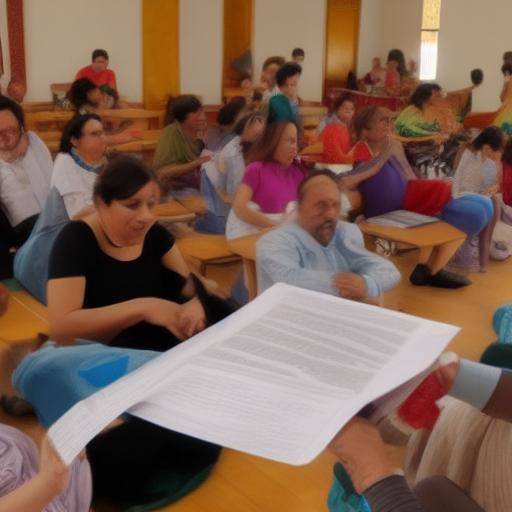
In everyday life, it is common to encounter situations that require conflict resolution skills. Whether in the workplace, family, or social, knowing how to handle these situations effectively is essential to maintaining healthy and productive relationships. In this article, we will explore a variety of activities designed to improve conflict resolution skills. From communication techniques to emotion management, we will discover practical strategies to strengthen these vital skills.
Introduction
Conflict resolution skills are fundamental in human interaction. Being able to manage differences and reach constructive solutions not only strengthens relationships, but also contributes to individual and collective well-being. In this article, we will explore the activities that can enhance these skills, providing practical strategies to deal with and overcome conflicts positively. From negotiation techniques to methods for stress management, we will discover a wide range of resources to improve our ability to resolve conflicts effectively.
History and Background
Conflict resolution skills have deep roots in human history. From the first treaties on diplomacy to modern mediation approaches, the evolution of these skills reflects the complexity and importance of conflict management in society. We will explore historical origins, highlighting significant milestones and key figures that have contributed to the development of effective strategies for conflict resolution.
Detailed Analysis
Conflict resolution presents a number of challenges and benefits in the current world. We will examine in detail the complexities of managing differences and reaching agreements in different environments. From managing interpersonal conflicts to negotiating dynamics in working contexts, we will discuss key aspects that influence the conflict resolution process.
Comprehensive review
We will explore a wide range of practical applications and case studies related to conflict resolution. Through the analysis of different approaches and best practices, we will provide a complete overview of effective strategies for managing conflict situations. In addition, we will consult expert opinions and undertake a comprehensive analysis of the advantages and disadvantages of different methods of conflict resolution.
Comparative analysis
We will in depth compare different activities aimed at improving conflict resolution skills. We will explore their similarities, differences and how these activities contribute to strengthening conflict resolution skills in different contexts and situations. Through detailed examples and scenarios, we will provide a complete analysis of available strategies to enhance these fundamental skills.
Practical Tips and Accessible Guidance
We will provide a range of practical advice and actionable guidance to improve conflict resolution skills. Through detailed lists and step-by-step guides, we will present concrete strategies to implement in real situations, facilitating the development of effective conflict management skills.
Perceptions of Industry and Expert Reviews
We will compile and present insights from industry experts, exploring future implications and emerging trends in conflict resolution. Through interviews and relevant quotations, we will analyze trends and forecasts that influence the evolution of conflict resolution strategies in various fields.
Case Studies and Applications in Real Life
Through detailed case study analysis, we will explore practical applications of conflict resolution strategies in real situations. We will examine results and lessons learned, providing examples of different industries and contexts that illustrate the effectiveness of these activities in successful conflict management.
Future Trends and Predictions
Finally, we will discuss emerging trends related to activities to improve conflict resolution skills, based on current data and expert opinions. We will explore new directions in conflict resolution and possible future opportunities and challenges related to these activities.
Conclusions and FAQs
In the closing of the article, we will recapitulate the key points presented, reinforcing the value of the information provided and encouraging readers to deepen the subject. In addition, we will answer common questions, addressing relevant concerns and providing additional clarifications on improving conflict resolution skills through specific activities.
Frequently asked questions
1. What are the key activities to develop conflict resolution skills?
Key activities include active listening practice, playing role to understand different perspectives, and conflict resolution workshops that simulate real situations.
2. How can conflict resolution skills learn to benefit my work life?
Improved conflict resolution skills can improve communication, collaboration and decision-making in working environments, which in turn can increase productivity and reduce stress in working teams.
3. What is the impact of conflict resolution activities on the educational environment?
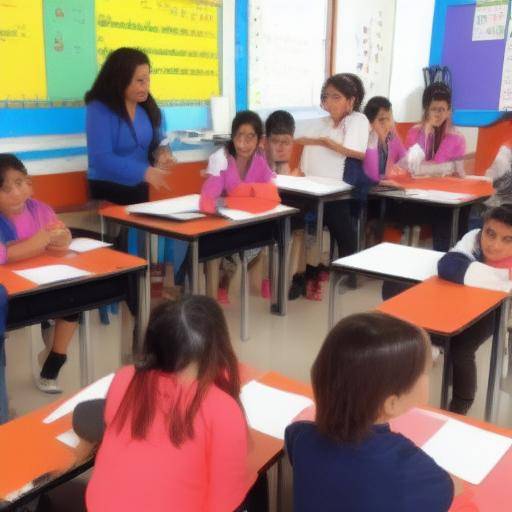
Integrating conflict resolution activities in educational settings can foster a more positive school climate, improve student-teacher relationships, and teach life-saving skills.
4. Are there specific activities to improve conflict resolution in the family?
Yes, activities such as non-violent communication, collaborative negotiation and empathy practice are especially useful in strengthening conflict resolution skills in the family environment.
5. How can I apply conflict resolution skills in community or social situations?
Participating in community mediation activities, volunteering in conflict resolution organizations and conflict resolution practices among friends or social groups can be effective ways to apply these skills in community and social environments.
6. What role do conflict resolution skills play in leadership and team management?
Conflict resolution skills are fundamental to leaders and managers, as they enable them to handle internal conflicts, promote collaboration and maintain a healthy and productive working environment.
Make conflict resolution an opportunity for growth!
In short, conflict resolution skills are essential to promoting healthy and collaborative relationships in all spheres of life. By participating in activities designed to improve these skills, individuals can strengthen their ability to deal with conflicts positively and constructively. Whether at work, at home or in the community, the domination of these skills promotes an environment of harmonious and productive coexistence.