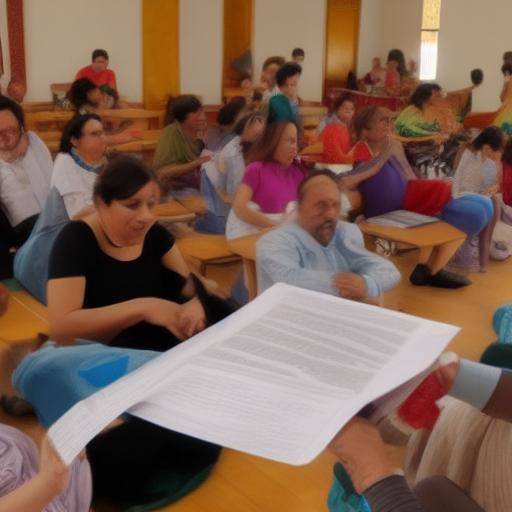
Effective collaboration in the working environment is essential for the success of any organization. When employees work together cohesively, the results are more productive and satisfying. In this article, we will explore a variety of activities that can improve collaboration at work. From team dynamics to communication tools, we will discover practical ways to foster collaboration and strengthen working relationships within any company.
Introduction
Collaboration in the working environment is one of the fundamental pillars for the growth and development of any enterprise. Activities that promote collaboration not only strengthen relationships among employees, but also foster creativity, problem solving and efficiency in teamwork. In this article, we will explore a wide range of activities designed to improve collaboration at work, from team linking exercises to effective communication strategies.
History and Background
The need for collaboration in the working environment is not new. From the dawn of civilization, human beings have worked together to achieve common goals. However, throughout history, the nature and importance of collaboration at work have evolved significantly.
One of the first organized forms of collaboration at work goes back to the ancient civilizations where individuals joined in hunting or building shelters. Over time, collaboration became more sophisticated as formal companies and organizations began to emerge. The Industrial Revolution marked a significant turning point in the history of collaboration at work, as modern factories and companies required more structured coordination and collaboration.
Analysis in Deep
Effective collaboration in the workplace entails a number of benefits for both employees and businesses. These benefits include increased productivity, greater innovation, better employee morals and increased retention of talent. In addition, effective collaboration can lead to a better resolution of problems and the creation of a more harmonious and satisfying working environment.
However, there are also challenges in fostering collaboration in the working environment. The lack of clear communication, unhealthy internal competition and resistance to change can hinder efforts to improve collaboration at work. It is essential to address these challenges with effective strategies that foster trust, respect and openness among team members.
Comprehensive review
In order to foster collaboration at work, it is essential to implement activities and strategies that promote active participation, open communication and team spirit. Best practices include group dynamics, brainstorming sessions, mentoring programs and workplace welfare promotion activities.
It is essential to understand that improving collaboration at work is a continuous process that requires long-term attention and commitment. By implementing collaborative activities on a regular basis, companies can cultivate an environment in which employees feel valued, heard and motivated to work together towards common goals.
Comparative analysis
A crucial aspect of collaboration at work is its relationship to improving labour relations. While collaboration focuses on teamwork and the achievement of shared objectives, labour relations cover a wider spectrum of interactions between colleagues, heads and subordinates.
Effective collaboration can promote stronger labour relations by building trust, empathy and mutual support among team members. In turn, healthy working relationships can strengthen collaboration by facilitating open communication, conflict resolution and shared motivation.
Practical Tips and Accessible Tips
We will then present a variety of practical activities that can improve collaboration at work. These activities range from team building exercises to effective communication tools.
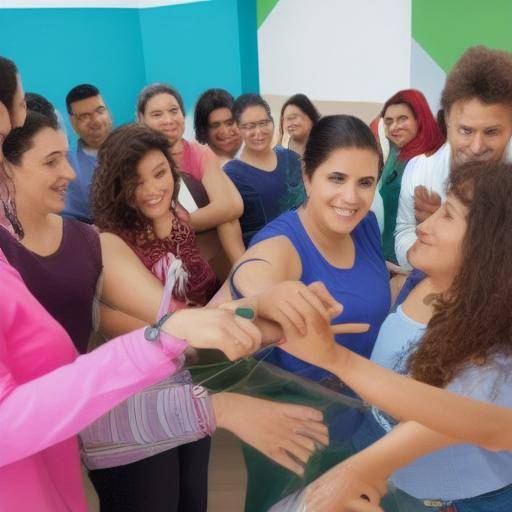
- Group Dynamics: Organizing team building activities such as games, challenges or collaborative tasks that foster cooperation and trust among team members.
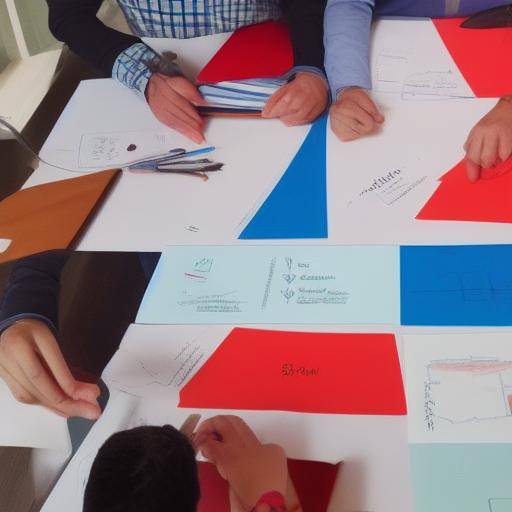
- Ideas Rain Sessions: Perform regular brainstorming sessions where employees can share creative ideas and solutions for specific work challenges.
- Mentoring Programs: Establish mentoring programs that match experienced employees with those who are new to the organization, thus fostering learning and knowledge transfer.
- Wellness activities: Organizing events or workshops focused on well-being, such as yoga classes, meditation or outdoor activities that promote physical and emotional health.
Industry Perspectives and Expert Reviews
According to experts in labour relations and talent management, effective collaboration is a crucial element for success in the current working environment. Traditional approaches based on internal competition are being replaced by practices that foster collaboration, empathy and teamwork. Companies that prioritize collaboration are seeing tangible results in terms of performance, innovation and job satisfaction.
Case Studies and Practical Applications
Several leading companies in different industries have implemented effective strategies to improve collaboration at work. For example, a technology company organized internal hackathons where employees from different departments worked together on innovative projects. As a result, creative solutions were generated and labour relations were strengthened.
Another company in the financial sector implemented an online communication system to promote remote collaboration between geographically distributed teams. This tool enabled fluid and efficient communication, thus facilitating collaboration in joint projects.
Future Trends and Predictions
As the work landscape continues to evolve, collaboration in the working environment is expected to become even more crucial. With the growing popularity of remote work and diversity in the workplace, companies should adopt innovative approaches to foster collaboration between geographically dispersed teams and from different labour cultures.
In short, effective work collaboration is essential for the long-term success of any company. By implementing activities that promote collaboration and strengthen labour relations, organizations can cultivate a positive, productive and targeted working environment towards achieving common goals.
Conclusions
In conclusion, improving collaboration at work is a goal that can bring great benefits to companies and employees. By fostering active participation, open communication and team-building through practical activities, organizations can build a more satisfactory and productive working environment.
Frequently asked questions
1. What is the importance of collaboration at work?
Working collaboration is crucial because it promotes the efficiency, innovation and morals of the team. It also promotes problem-solving and common goals.
2. How can companies foster collaboration between remote teams?
Businesses can foster collaboration between remote teams by using online communication tools, organizing virtual meetings and planning virtual team building activities that foster the cohesion of the distance team.
3. What is the impact of collaboration on labour relations?
Effective collaboration can strengthen labour relations by building trust, mutual support and open communication among team members, which in turn contributes to a more harmonious and productive working environment.
4. What practical activities can foster collaboration at work?
Activities such as group dynamics, brainstorming sessions, mentoring programs and well-being activities are examples of practical activities that can foster collaboration at work.
5. What are the common challenges in improving collaboration at work?
Some common challenges include resistance to change, lack of clear communication and unhealthy internal competition. Overcoming these challenges requires effective strategies that foster trust, respect and openness among team members.
6. What is the long-term impact of a culture of collaboration on work?
A culture of work collaboration can have a significant long-term impact, including increased productivity, retention of talent, development of innovative solutions and a positive and harmonious working environment for employees.
In conclusion, improving collaboration at work through practical activities and effective strategies is essential for the success of any company. By fostering strong working relationships and a collaborative working environment, companies can create an environment that promotes the innovation, productivity and well-being of their employees.