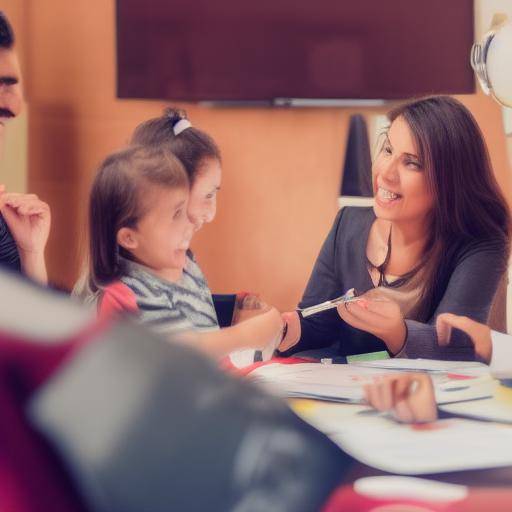
Adaptability is a vital skill in anyone's life. For children, the ability to adapt to new environments, situations and challenges is crucial for their emotional, social and cognitive development. In this article, we will explore a variety of activities, relationships and improvement strategies that can help stimulate adaptability in children. From gaming techniques to social interactions, this content will provide a comprehensive guide on how to promote adaptability in young people.
Introduction
Adaptability is the ability to adjust and thrive in different situations, whether personal, academic or social. In today's world, characterized by rapid changes and complexities, developing the ability to adapt has become more relevant than ever. Children with high levels of adaptability are often more resistant and able to face challenges effectively. Through this article, we will explore how activities, relationships and improvement strategies can contribute to the development of this vital skill in children.
History and Background
The importance of adaptability in child development dates back decades. Psychologists and educators have recognized the need to foster resilience and adaptive skills in children to prepare them for an uncertain future. Throughout history, various pedagogical flows have focused on promoting adaptability as a fundamental component of growth and development in children. From behavioral approaches to the theories of cognitive development, adaptability has been a central theme in child education and psychology.
In the field of education, the inclusion of adaptability as a cross-cutting competence in the curricula reflects its importance in the integral development of children. Educational reforms and contemporary pedagogical approaches have emphasized the development of socio-emotional skills, among which adaptability occupies a prominent place.
Detailed Analysis
Benefits of Adaptability
Adaptability in children entails a number of significant benefits. Children who are able to adapt to new situations tend to show greater autonomy, self-confidence and ability to solve problems. Furthermore, adaptability is closely related to emotional intelligence, which means that adaptable children have a greater ability to recognize and regulate their emotions, as well as to understand the emotions of others. These emotional and social skills are essential for positive interactions and the overall well-being of children.
Challenges in Adaptability Development
Despite the obvious benefits, adaptability can be a challenge for some children. Factors such as the family environment, genetics and early experiences can influence a child's ability to adapt to changes. In addition, certain developmental disorders, such as autistic spectrum disorder or hyperactivity deficit disorder, may affect a child's adaptability. It is essential to address these challenges in a comprehensive and empathetic manner, providing the necessary support for children to develop this vital skill.
Current Trends in the Promotion of Adaptability
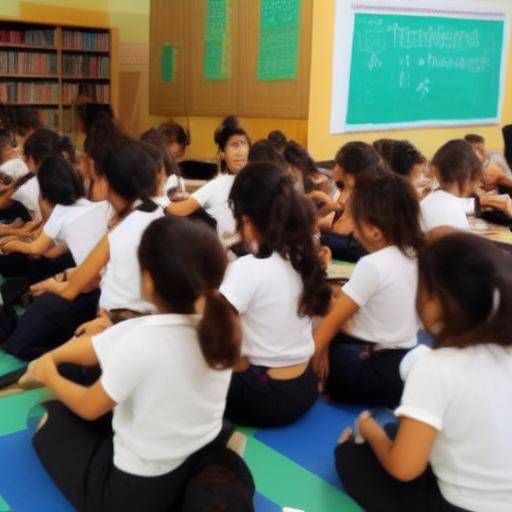
At present, there is a greater focus on promoting adaptability through innovative pedagogical approaches and emotional support programmes. The integration of socio-emotional education in schools and the implementation of experiential learning strategies have proved to be effective in fostering adaptability in children. In addition, the use of games and creative activities has become a common tool to stimulate adaptation capacity in a safe and fun environment.
Exhaustive examination
Practical Applications
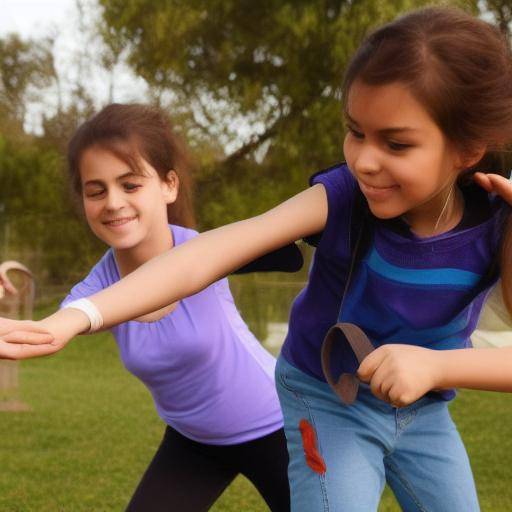
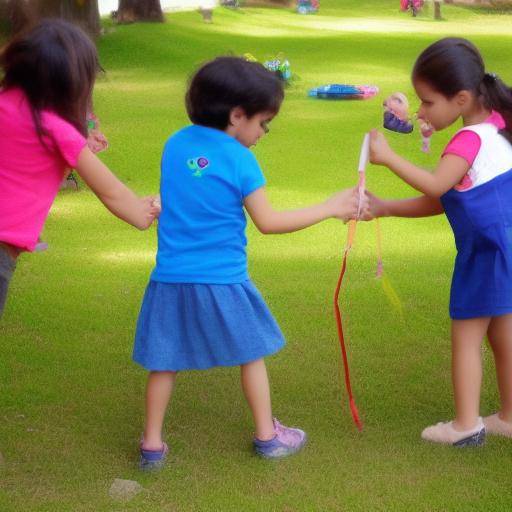
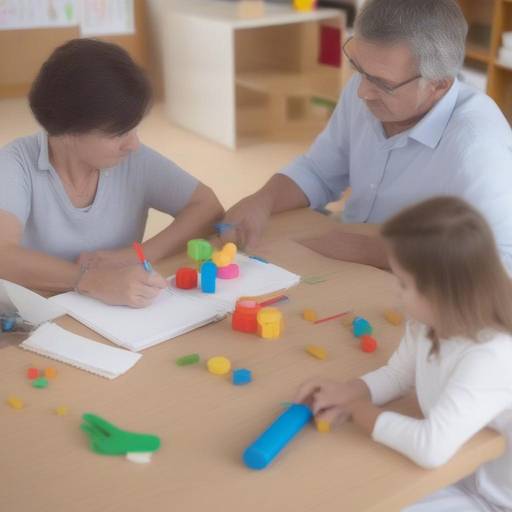
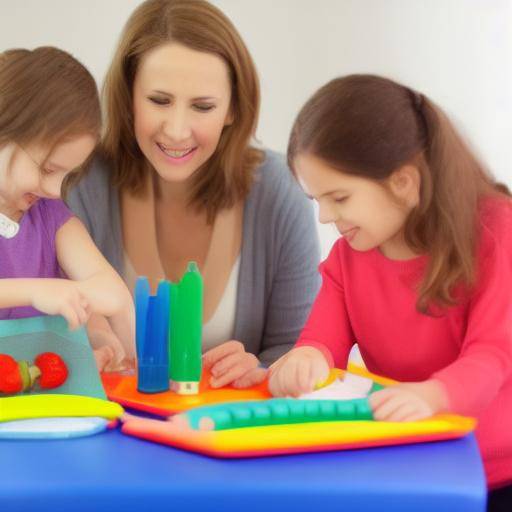
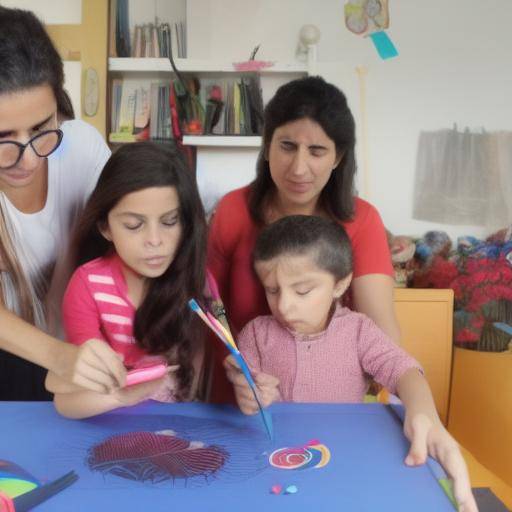
Magical and creative activities are an effective way to promote adaptability in children. Role games, troubleshooting activities and creative challenges can help children develop cognitive flexibility, the ability to think in a divergent way and the willingness to face new situations. Positive social interactions also play a crucial role in strengthening adaptability. Opportunities to develop collaborative, communication and empathy skills can be fundamental for the growth of adaptability in children.
Best Practices and Case Studies
Best practices in promoting adaptability in children often integrate different strategies, from the implementation of socio-emotional learning programs to the creation of enriching gaming environments. Case studies have shown that early interventions that foster adaptability have significant impacts on the emotional and social well-being of children in the long term. The inclusion of specific activities focused on problem solving, teamwork and change management has shown promising results in the development of adaptability in children.
Comparative analysis
Activities and Adaptation
Activities designed to promote adaptability in children can encompass a wide range of approaches, from symbolic play to puzzle and puzzle resolution. Simulation games, in particular, offer opportunities for children to explore different roles and situations, which promotes mental and emotional flexibility. In comparison, structured activities that challenge children to think creatively and find innovative solutions are also effective in strengthening adaptability.
Relations and Adaptation
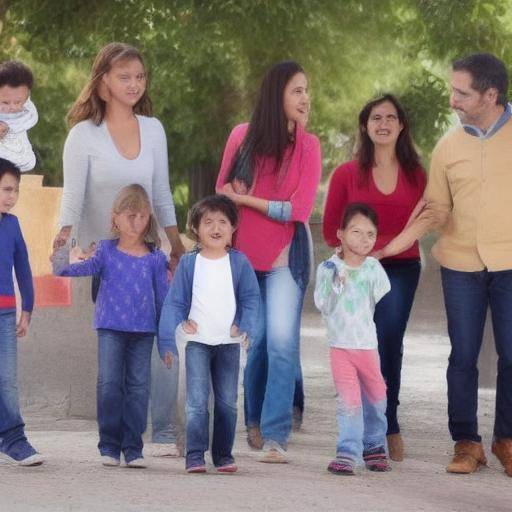
Relations with parents, caregivers, teachers and peers play a key role in the development of adaptability in children. Emotional support, open communication and modelling of positive behaviors contribute significantly to a child's ability to adapt. Social interactions in safe and supportive environments provide children with the confidence and stability necessary to face new challenges with resilience and determination.
Improvement and Adaptation Strategies
Improvement strategies can range from developing coping skills to promoting self-efficiency and self-esteem. The implementation of customized improvement strategies that meet the individual needs of each child is essential to promote healthy adaptability. Building self-consciousness, the ability to regulate emotions and building a growth mentality are key components of improvement strategies that support the development of adaptability.
Tips and Recommended Actions
Activities to promote adaptability
- Roles Games: Promote imagination and cognitive flexibility through experimentation with different roles and scenarios.
- Resolution of Creative Problems: Providing challenges that require innovative thinking and finding creative solutions.
- Cooperative Games: Promote collaboration and teamwork through group activities that require coordination and communication.
Relations and Emotional Support
- Open communication: Establish a trusted environment where children feel comfortable expressing their emotions and concerns.
- Modeling of Positive Behaviors: Demonstrate empathy, resilience and flexibility to serve as a model for children.
Personalized Improvement Strategies
- Development of Border Skills: Teach strategies to handle stress, frustration and everyday challenges effectively.
- Promotion of Self-Efficiency: Encourage confidence in one's own skills and ability to overcome obstacles.
Conclusions and FAQs (FAQs)
Conclusions
In short, adaptability is an essential skill that can be fostered through enriching activities, meaningful relationships and customized improvement strategies. By promoting cognitive and emotional reflection in children, we are preparing the way for comprehensive development and a capacity to address future challenges with resilience and confidence.
Frequently asked questions (FAQs)
1. What are some signs that a child may have difficulties adapting to new challenges?
Some signs may include resistance to change, difficulty managing frustration, anxiety in new situations or a tendency to constantly seek the approval of others.
2. How can I encourage adaptability in my child on a daily basis?
Providing a safe environment to experience, model a growing mentality, encourage problem solving and celebrate learning through everyday challenges can foster adaptability in children.
3. What role do relationships with the family play in the development of adaptability?
Family relationships are fundamental in the development of adaptability in children. An environment of support, open communication and expression of emotions contributes significantly to the growth of adaptability.
4. What is the long-term benefit of fostering childhood adaptability?
Adaptability in childhood can lay the foundation for sound emotional and social development. Children who learn to adapt tend to be more autonomous, resistant and able to face challenges effectively in adult life.
5. What kind of activities can help children develop mental flexibility?
Activities such as role games, puzzles, troubleshooting activities and creative games can stimulate mental flexibility and promote adaptability in children.
6. What is the difference between adaptability and flexibility in the context of child development?
Adaptability refers to the ability to adjust and thrive in different situations, while flexibility focuses on the ability to change opinion or focus depending on the situation. Both skills are important and interconnected in the development of children.
In conclusion, the promotion of adaptability in children through meaningful activities, enriching relationships and customized improvement strategies is essential for their comprehensive development. By providing an environment that promotes resilience, autonomy and the ability to confront the challenges with confidence, we are laying the foundations for a bright and full future of possibilities for children.
Including adaptability in the education and upbringing of children is essential for preparing them for a changing world and providing them with the tools necessary to overcome in any situation they are presented.