Non-verbal communication skills play a key role in our personal and professional relationships. Through facial expressions, gestures, posture and voice tone, we transmit powerful messages that can influence the way we are perceived and understood. Developing effective non-verbal communication skills can significantly improve our interactions, both at work and in staff. In this article, we will explore different activities that can help develop and improve these skills, as well as their impact on relationships and on personal and professional development.
Activities to Improve Communication No. Verbal
The development of non-verbal communication skills can be enriching and beneficial in various aspects of life. Below are some practical activities that can help strengthen these skills:
1. Roles Games
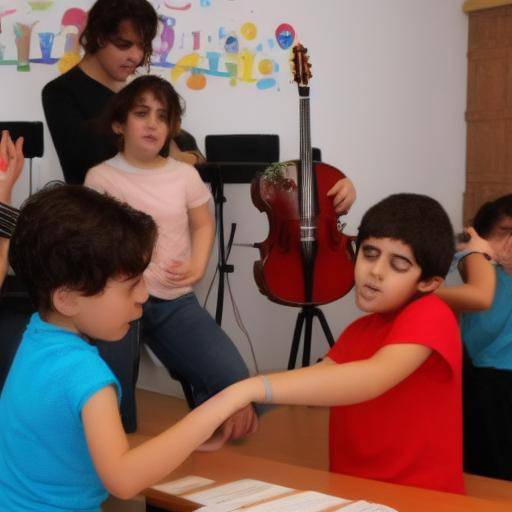
Roleplays are an excellent way to practice non-verbal communication. Through the representation of different situations, participants can focus on expressing emotions, thoughts and attitudes through gestures, posture and visual contact. This activity promotes understanding of non-verbal messages and promotes empathy towards other perspectives.
2. Conscious observation
A simple but effective activity is conscious observation. It consists of taking a time to look at people in different environments, focusing on their facial expressions, gestures and postures. Subsequently, we can reflect on the impressions and messages that were perceived, which helps to develop the ability to interpret non-verbal communication more precisely.
3. Therapeutic Improvisation
Joining theatrical improvisation classes can be very beneficial in improving non-verbal communication skills. Improvisation promotes spontaneity, expressivity and the ability to read the non-verbal signs of others, which contributes to the development of a more effective communication.
4. Effect Mirror
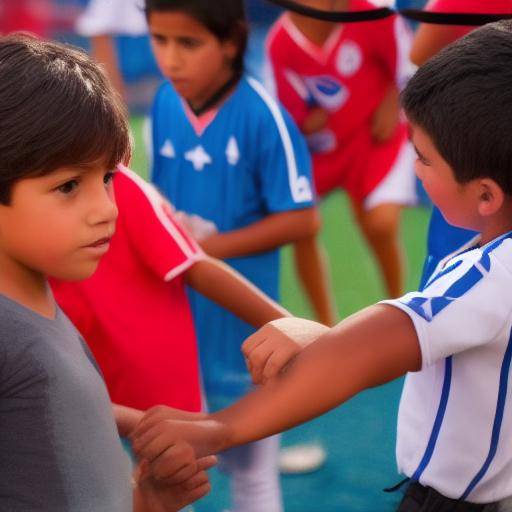
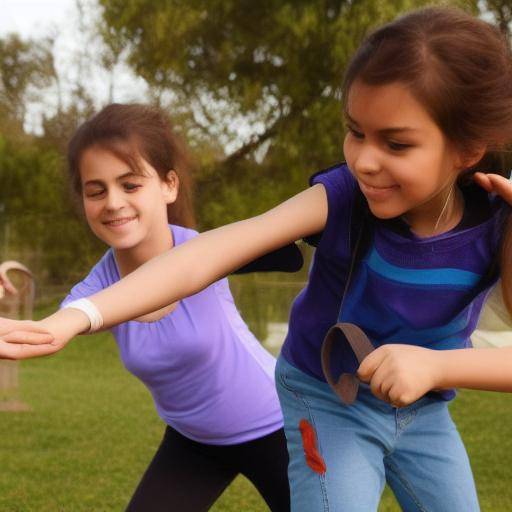
In this activity, two people stand in front of each other and take turns to imitate each other's gestures and movements simultaneously. This exercise promotes awareness of the non-verbal signs we emit and receive, promoting empathy and tuning with others.
5. Video and Film Analysis
Watching videos or movies for the purpose of analyzing the expressions and gestures of the characters can be a fun and educational way to improve the understanding of non-verbal communication. Observing and discussing non-verbal signs present at the scenes contributes to developing interpretation and empathy skills.
These practical activities provide opportunities to develop and strengthen non-verbal communication skills, promoting greater awareness, understanding and effectiveness in interaction with others.
Relations and Communication No. Verbal
Non-verbal communication plays a crucial role in establishing and maintaining healthy and meaningful relationships. Non-verbal signs can influence the perception that others have of us, as well as the way we connect with them. Then we will explore how non-verbal communication impacts on interpersonal relationships.
Impact on Personal Relations
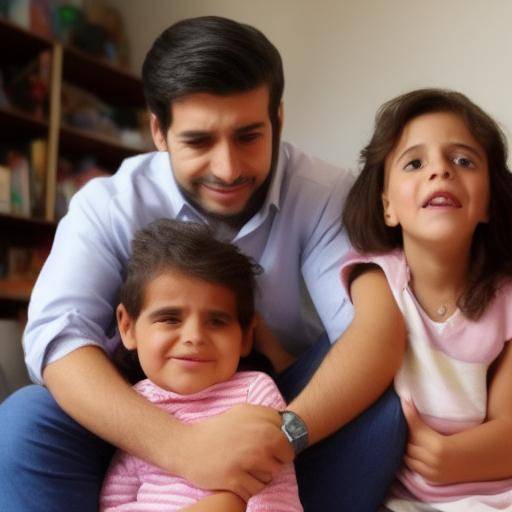
In the field of personal relationships, non-verbal communication can convey emotions, feelings of affection, support and empathy. The expression of a warm smile, a comforting hug or visual contact can strengthen emotional ties and generate a sense of connection and trust. On the other hand, lack of visual contact, gestures of impatience or closed positions can transmit distance, disinterest or discomfort.
Importance in Interpersonal Communication
In face-to-face interactions, non-verbal communication can represent up to 93% of the total impact of the message, according to Albert Mehrabian research. The tone of voice, facial expression and body language complement and reinforce verbal content, which underlines its importance in the precise interpretation of messages and the understanding of the emotions and attitudes of others.
Development of Professional Relations
In the working environment, non-verbal communication significantly influences the perception that colleagues, employers, customers and business partners have of us. The ability to transmit trust, professionalism and empathy through body language, facial expressions and visual contact can impact on building strong and successful business relationships.
Understanding and developing non-verbal communication skills are fundamental to promoting healthy interpersonal relationships, both in the personal and professional spheres.
Development through Non-Verbal Communication
The development of non-verbal communication skills can have a significant impact on the personal and professional growth of an individual. Then we will explore how the development of these skills contributes to personal and professional development.
Empowerment and Connection
The development of emotional intelligence through non-verbal communication promotes empathy, understanding and ability to establish meaningful connections with others. The ability to read and respond to non-verbal signals favours the construction of sound relationships, mutual support and effective collaboration.
Leadership and Persuasion
In the professional field, non-verbal communication dominance can enhance leadership and persuasion skills. The expression of trust, charisma and authority through body language and facial expression can influence the way it is perceived and followed by others.
Effective communication
Non-verbal communication skills contribute to clarity and effectiveness in message transmission. The consistency between verbal and non-verbal language strengthens the credibility and impact of communication, resulting in more effective and meaningful interactions.
Professional development
The development of non-verbal communication skills is highly valued at the professional level. The ability to interpret and use non-verbal signals effectively can influence success in job interviews, presentations, negotiations and networking, which contributes to professional development and progression.
The development of verbal communication skills not only impacts on daily interactions, but also promotes personal and professional growth and evolution.
Conclusion
Non-verbal communication skills play a crucial role in our lives, influencing the way we relate to others and our personal and professional development. Through practical activities, conscious observation, theatrical improvisation and video analysis, we can strengthen these skills, enhancing our ability to effectively interpret and transmit non-verbal messages.
The impact of non-verbal communication on both personal and professional interpersonal relationships highlights the importance of understanding and developing these skills to foster meaningful and effective connections.
In short, the development of non-verbal communication skills contributes significantly to personal and professional growth, strengthening empathy, leadership capacity, communication effectiveness and the development of solid relationships. By integrating these skills into our daily interactions, we can enhance our connection with others and promote our integral development.
Answers to frequently asked questions about activities to develop non-verbal communication skills are presented below.
Frequently asked questions
1. Why is it important to develop non-verbal communication skills?
The development of non-verbal communication skills is crucial, as these skills significantly influence the way we relate to others, both at the personal and professional level. Understanding and mastering non-verbal signals strengthen empathy, effectiveness in communication and the development of meaningful relationships.
2. What are some practical activities to improve non-verbal communication?
Some practical activities to improve non-verbal communication include role-playing, conscious observation, theatrical improvisation, mirror effect and video and film analysis. These activities offer opportunities to develop and strengthen non-verbal communication skills in a practical and effective manner.
3. How does non-verbal communication influence personal and professional relationships?
Non-verbal communication influences personal relationships by conveying emotions, support and empathy through gestures, facial expressions and posture. In the professional field, these skills impact on the perception that others have of us, influencing the construction of solid trade relations and the success of job interviews, presentations and negotiations.
4. What is the role of non-verbal communication in personal and professional development?
The development of non-verbal communication skills contributes to personal growth by fostering empathy, connecting with others and developing meaningful relationships. In the professional field, these skills strengthen leadership, persuasion, communication effectiveness and success in job interviews and presentations.
5. What additional benefits do non-verbal communication skills develop?
In addition to strengthening empathy, effective communication and relationships development, the development of non-verbal communication skills also influences the perception of trust, professionalism and authority, which can significantly impact on personal and professional success.
6. How can I integrate non-verbal communication skills into my daily life?
You can integrate these skills into your daily life through conscious observation practice, the implementation of feedback received and participation in activities that promote non-verbal expression, such as theatrical improvisation and role-playing.
With this article, a complete vision of activities is provided to develop non-verbal communication skills, their influence on interpersonal relationships and their impact on personal and professional development. The combination of practical activities, analysis of their impact on our relationships and their contribution to personal and professional development offers the reader an integral understanding of this fundamental topic.